

 NFL
NFL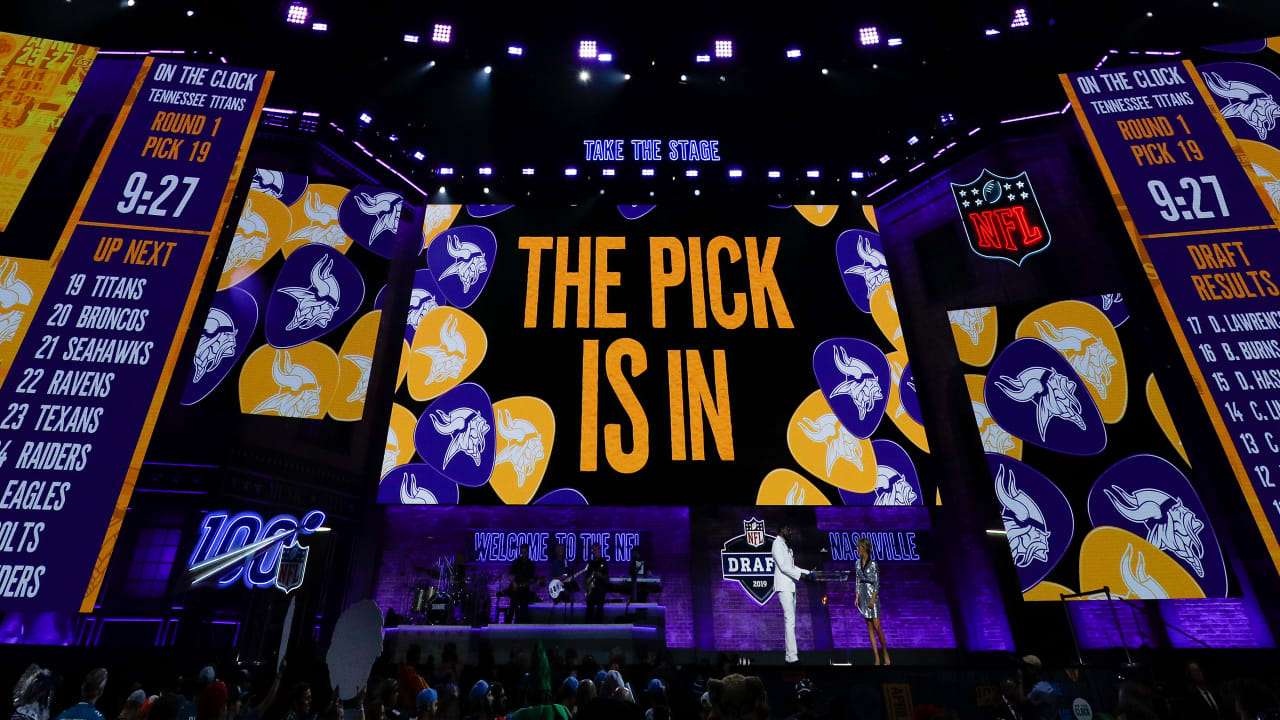
By: Trevor Gibbs
The Minnesota Vikings had a 9-8 season, earning the No. 18 overall pick and nine total selections in the 2026 NFL Draft. After a quiet but strategic free-agency period, the roster has clear holes. General manager Rob Brzezinski and coach Kevin O’Connell must use the draft to fortify both lines while addressing secondary depth. With roughly $5 million in cap space remaining, the draft and smart undrafted free-agent additions are the next move.
Defensive tackle tops the shopping list. The interior line was gutted when Jonathan Allen and Javon Hargrave were released for cap reasons. Jalen Redmond emerged as a bright spot last season, but he needs a high-upside partner in Brian Flores’ aggressive, rotation-heavy scheme. The 2026 class offers strong interior options like Clemson’s Peter Woods or Ohio State’s Kayden McDonald. Grabbing one at No. 18—or trading down for two mid-round pieces—would instantly upgrade run defense and pass-rush versatility. Without it, Minnesota risks another year of finesse over physicality. And in the NFC North, that can be a recipe for disaster.
Center is an urgent offensive-line fix. Starter Ryan Kelly retired after multiple concussions, leaving a glaring hole. The Vikings’ run game and protection for whichever quarterback wins the job (more on that below) depend on reliable interior play. This year’s center class lacks blue-chip prospects, so the team may target a versatile guard like Auburn’s Connor Lew, who can slide over. Drafting here in Rounds 2-3 is non-negotiable for long-term stability.
Safety and cornerback depth round out the secondary. Harrison Smith’s departure ends an era; the safety room now lacks a proven playmaker. Oregon’s Dillon Thieneman or Toledo’s Emmanuel McNeil-Warren could provide immediate snaps and future starter upside. Cornerback isn’t a crisis. Byron Murphy Jr. and Isaiah Rodgers return, and James Pierre was added in free agency, but the depth behind them remains thin. A young, versatile corner in the second or third round would give Flores more blitz packages and coverage options.
Skill-position depth is secondary but real. Aaron Jones remains under contract (after cap maneuvering), yet his age and injury history make long-term backfield help a smart move. Wide receiver lost Jalen Nailor to Las Vegas; another weapon behind Justin Jefferson and Jordan Addison would stretch defenses. These needs can wait until Day 2 or 3.
Off-season housekeeping is mostly complete. The Vikings stabilized the quarterback room by signing Kyler Murray to a one-year veteran-minimum deal, creating real competition for J.J. McCarthy while keeping Carson Wentz as insurance. Restructures of Justin Jefferson and T.J. Hockenson, plus re-signings of Eric Wilson and Tavierre Thomas, cleared just enough cap space. Punters were upgraded with Johnny Hekker. Remaining moves are minor: low-cost veteran depth at tackle or edge if the draft board slips, plus undrafted free agents for special teams help. No blockbuster trades appear likely given the tight finances.
The 2026 Vikings aren’t rebuilding—they’re reloading. Prioritizing defensive line, center, and safety in the first 100 picks will give O’Connell the physicality and depth needed to chase the NFC North. With nine picks and a clear plan, Minnesota can turn last year’s near-miss into a genuine contender. SKOL baby!