
 NFL
NFL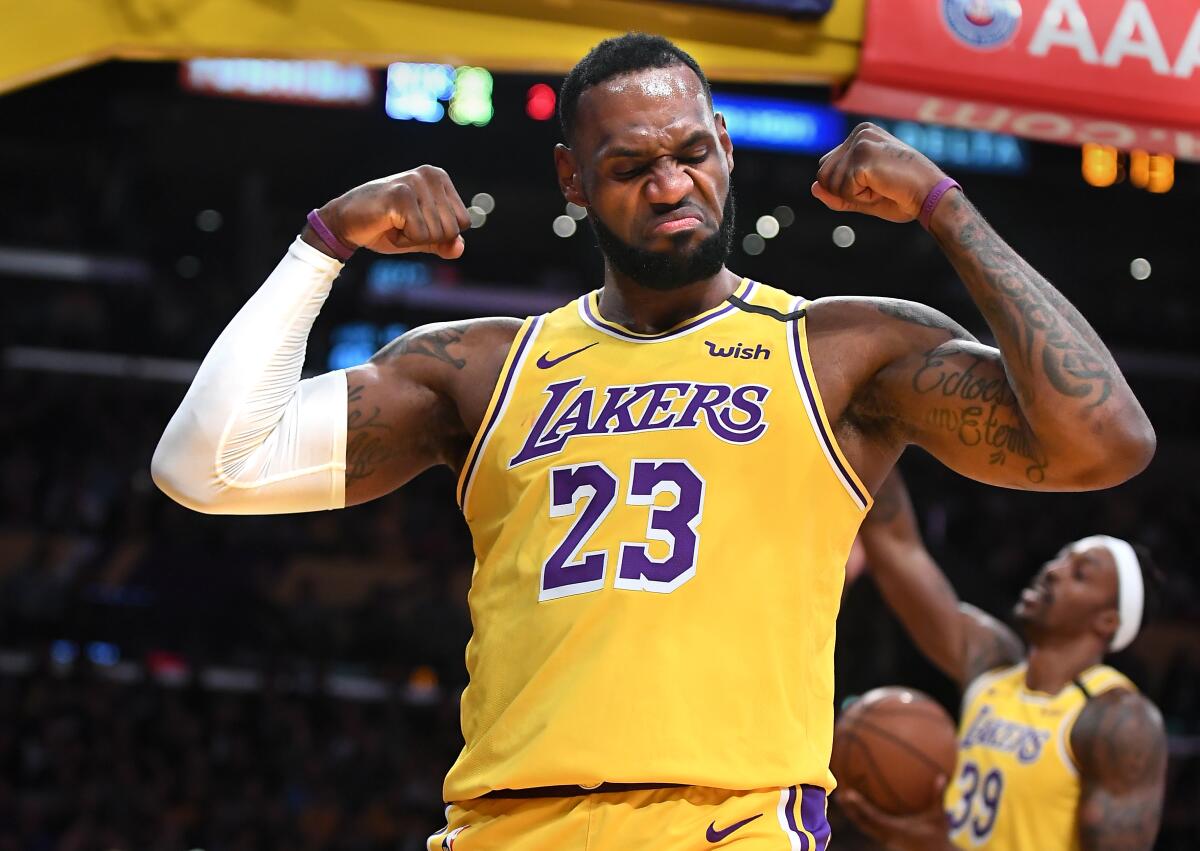
“Both players shed their warm-up shirts. The crowd cheered. Thousands of phones were lifted into the air. Together, LeBron and the son who shared his name walked onto the court” (260). Two seasons ago, LeBron James Sr. caught another ghost: His desire to play in an NBA game with his son, Bronny. As Yaron Weitzman, author of A Hollywood Ending, astutely observes above, most Lakers fans saw the moment through the darkened mirror of a phone screen. Weitzman’s 2025 tome similarly provides a personalized snapshot of James and the Lakers through an individual’s lens.
At times, Hollywood reads too much like an exposé, while at other times, Weitzman’s outstanding research still leaves a reader wishing for more than an open layup. Yes, the book, like James himself, does not lead the league in every category. It also reveals a whirlwind drama in LaLa Land that will shock and, perhaps, delight more mischievous fans. Behind the Buss family’s facade and the swirling contradictions that make The King is a complex truth.
Hollywood begins by describing the power struggle that ensued upon Dr. Jerry Buss’s declining health and eventual passing in 2012. The epitaph on his burial site? “DEVOTED FAMILY MAN” (17). And for the Lakers family that succeeded Dr. Buss, it would be a period of strife, conflicting interests, and occasionally a brilliant, beautiful moment.
Headliners and Footnotes
When Jeanie Buss emerged from the tug-of-war and became the Lakers’ governor, she correctly understood a vital point. Los Angeles is a city of stars. To succeed, the Lakers needed a top player to follow Kobe Bryant. Enter James, of course. Here, the most disappointing aspect of Hollywood deserves a moment. Weitzman begins the book with a personal note detailing the Lakers’ attempt to preemptively chill his words. Perhaps through his annoyance over the stonewall, or maybe through a natural character quirk, Weitzman’s side comments occasionally stray too far off-topic. For instance, when discussing Lakers GM Rob Pelinka’s high school editor, Dave Eggers, Weitzman’s footnote lands somewhere between amusing and backhanded:
Eggers, who remains in contact with Pelinka today, declined to be interviewed for this book. Through a spokesperson, however, he described Pelinka’s high school story as “very accomplished.” What exactly does that mean? Eggers, through the spokesperson, declined to elaborate. (110)
Much later, in a comment on then-Nets star Kyrie Irving, Weitzman again makes a meaningless zinger: “How exactly signing on to earn $36.9 million for a season of playing basketball made him [Irving] a person leading society ‘into tomorrow’ was unclear” (222). The line between journalist and fan is now, certainly, smudged almost off the news page. Readers who enjoy the mental gymnastics seen on social media today may appreciate such barbs. Perhaps Team NBS Media is too old-fashioned? Still, this site holds that the book’s many footnotes usually distract from its message.
King Of Talk
The most enjoyable sections of Hollywood describe James’ initiation into a fanbase reluctant to see anyone take the baton from Bryant. Weitzman draws on an impressive array of information about James and his teammates. After the Lakers missed the playoffs in 2019, Pelinka’s trade for Anthony Davis quickly put the Lakers in first place. Tragedy struck when Bryant died in an unbelievably shocking helicopter crash and when the NBA completely suspended its season due to the COVID pandemic.
When the NBA world, secluded in its Florida bubble, addressed the Black Lives Matter protests, James led the way. Well, not quite. Weitzman offers a nuanced, mostly fair analysis of where James supercharged efforts and when the King delegated these tasks too quickly. For instance, when the Bucks walked out of a game after a shooting in Wisconsin, James became… annoyed? “LeBron was particularly annoyed. He wasn’t someone who made drastic decisions without first thinking everything through. It wasn’t how he operated” (168). James, Weitzman later notes, gave up control of his More Than a Vote nonprofit to WNBA activist Nneka Ogwumike in 2024. James also used a humorous meme to describe a speculated investment with Saudi Arabia, a country with a regressive individual rights record.
More or Less Equal?
It is indeed refreshing to read Weitzman give James the credit he deserves on and off the court without going out of bounds with excessive praise. And yet, the author’s critiques could have gone just a bit farther. The Lakers earned the Florida bubble’s best hotel and crowded its hallways with online purchases. There is nothing wrong with wealth per se; NBA athletes, and James especially, earn their fortunes through intensely focused lifestyles. This success, unfortunately, allows skeptics to question the authenticity of privileged athletes.
This writer recalls the infamous George Orwell quip: “All animals are equal, but some animals are more equal than others.” Were James’ efforts with More Than a Vote sufficient? Humans have been fighting over the Americas for thousands of years. The game’s best athlete’s advice is to elect another team to the swamp? Freedom fighters need bolder actions.
Final Verdict
Weitzman delivers a solid strike through the social media smog with Hollywood. His work is especially timely, granted James’ subsequent departure to Philadelphia and another Lakers sale, with Jeanie Buss again racing to the courthouse. By the time readers finish the lengthy, yet never plodding, journey, they will find a delightfully entertaining and informative analysis of a vital era for both James and his league. Weitzman’s three years wrestling with sources and the social media muck rewards fans of James while necessarily disappointing those seeking an unequivocal sportswashing. James’s life proves more complicated. His quest to chase ghosts continues to befuddle cynics and, occasionally, brings fans a brilliant, beautiful moment.
Note: page citations taken from the 2025 Doubleday hardcover edition