

 NFL
NFL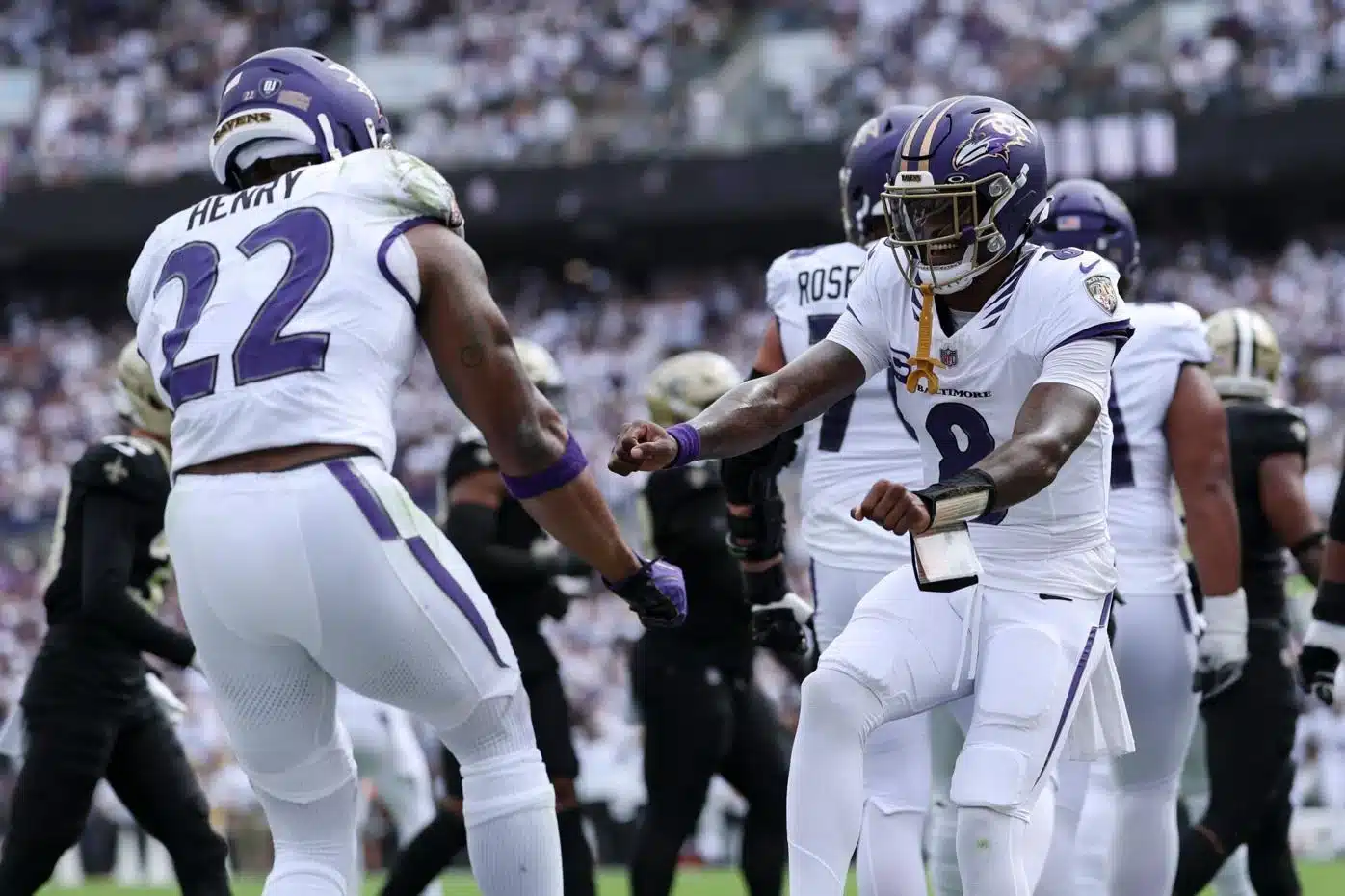
By: Courtney Byrd
The Baltimore Ravens’ 24-17 loss to the New Orleans Saints felt familiar. However, it does not mean the team is destined to repeat history.
Baltimore controlled most of Sunday’s home opener before yielding 15 unanswered points in the fourth quarter. The loss naturally reopened conversations about the Ravens’ history of struggling to protect leads, especially after the organization entered this season with a new coaching staff and renewed expectations.
Those concerns are understandable. Since 2019, Baltimore has lost 15 games after holding a double-digit lead, the most in the NFL over that span. However, two games under head coach Jesse Minter are not enough to determine what this version of the Ravens will become.
The loss should be seen as an early lesson for a talented team still adjusting to new leadership, systems and responsibilities.
The Ravens Had Chances to Close the Game
Baltimore built a 14-3 lead in the first half and held it until the final minutes. The Ravens moved the ball effectively early. They limited the Saints to field goals through three quarters and received strong individual performances on both sides.
The game shifted when Baltimore could no longer sustain its offensive possessions.
After Tyler Loop’s field goal gave the Ravens a 17-9 lead late in the third quarter, the offense gained just 27 yards on its final 12 plays. The Saints capitalized on that opportunity to control the fourth quarter, possessing the ball for more than 12 minutes and driving for two long touchdowns.
One of Baltimore’s most debated decisions came on third-and-1, when the offense attempted a deep pass to Chris Moore rather than handing the ball to Derrick Henry. The pass was incomplete, and the Ravens punted on the next play.
That sequence is questionable, but you can’t pin the loss on one decision. Baltimore also blocked a field goal, allowed a 53-yard kickoff return, and committed seven penalties. Each mistake became more significant as the game tightened.
This was a team loss, and correcting it will require a coordinated team response.
There Were Still Encouraging Signs
The final score should not erase Baltimore’s positive performances.
Rashod Bateman accepted a larger role with Zay Flowers sidelined and delivered one of his best games as a Raven. He caught seven passes for 88 yards and a touchdown and led the team with nine targets.
His performance mattered because Baltimore entered the game without Flowers and rookie Ja’Kobi Lane. Bateman created separation, made himself available to Lamar Jackson, and showed that the passing game can still produce even when its receiving rotation is tested.
Mark Andrews also emerged as a reliable option, catching six passes for 49 yards. His involvement gave Jackson another dependable target in an offense that needed its veteran playmakers to step up.
Defensively, Mike Green made the most of an expanded role. Green recorded his first sack of the season and added two tackles for loss after nearly doubling his snap count from Week 1. Kyle Hamilton, Nate Wiggins and Trenton Simpson also delivered solid individual performances.
Those contributions show that the Ravens have the talent to recover. The next step is turning those individual efforts into four complete quarters.
Baltimore’s New Era Will Require Patience
Minter inherited a roster capable of competing immediately, but that doesn’t eliminate the adjustment period that comes with major changes.
The Ravens have a first-year head coach in Minter and a first-year offensive coordinator in Declan Doyle. Players and coaches are still learning to manage crucial situations together. That includes deciding when to stay aggressive, when to lean on Henry, and how to respond when an opponent builds momentum.
Baltimore’s fourth-quarter history makes every late-game mistake feel even larger. Still, the current staff deserves an opportunity to show how it will address those problems.
The most important takeaway from Sunday’s loss will be what the Ravens learn. Can the offense maintain its identity after halftime, the defense get off the field on long drives, and the team eliminate the penalties and special-teams mistakes that quietly change games?
Those questions do not mean Baltimore’s new era has failed. They represent the work required to make it different.
The Ravens are 1-1, with most of the season still ahead. They have an MVP quarterback, one of the NFL’s most accomplished running backs, and a defense filled with talent.
Sunday’s loss was disappointing, but it was not a final judgment on this team. It was an early reminder that talent can create a lead, but discipline, consistency, and execution are what protect it.
Baltimore will have its first chance to respond Sunday when the Ravens face the Dallas Cowboys at Maracanã Stadium in Rio de Janeiro. On a historic international stage, the focus will be on whether the Ravens can apply the lessons from Week 2 to deliver a more complete performance.