

 NFL
NFL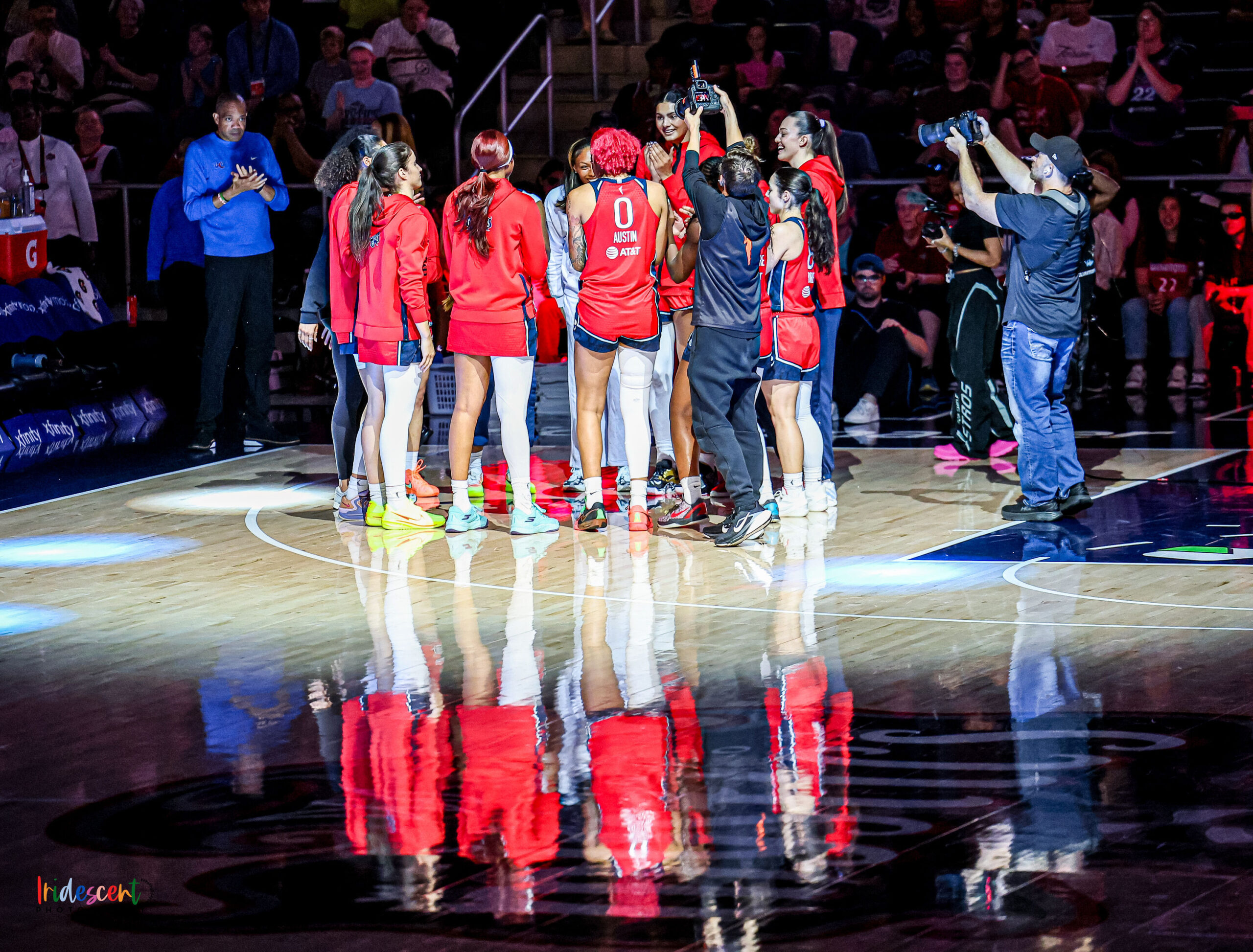
For about half the game, the Washington Mystics controlled the game against the Atlanta Dream. Washington dominated rebounding and attacked the paint. The young frontcourt made a strong impact, and Sonia Citron looked confident in her first playoff game. But then the pace picked up.
Atlanta capitalized on Washington’s turnovers, turning them into fast-break points. Washington’s offense lost its rhythm, and their 11-point lead vanished. By the end of the third quarter, the Mystics were suddenly behind in a game they once controlled. That was the main takeaway from Game 1. For Game 2, Washington doesn’t need to reinvent itself. The team needs to stick to its strengths with more discipline.
The Mystics’ 92-77 loss showed how little room for error they have against Atlanta. Washington had 22 turnovers, which the Dream turned into 27 points. Atlanta also used Washington’s offensive struggles to ramp up their defense, finishing with 16 steals. But the final score doesn’t tell the whole story. Washington did enough to win.
The Mystics outrebounded Atlanta 50-31, pulled down 14 offensive boards, and scored 42 points in the paint. Shakira Austin had 16 rebounds, Kiki Iriafen grabbed 14, and Citron scored 25 points. These numbers are important because they show the path Washington can follow in Game 2. The Mystics don’t have to beat Atlanta in every area. They need to avoid giving the Dream easy chances that aren’t half-court.
First key: Make Atlanta play defense
Atlanta’s best way to pull ahead is by scoring in transition. Every time Washington turns the ball over and Atlanta gets a fast-break chance, the Dream are right where they want to be. Atlanta can pressure the ball, force rushed decisions, and turn one mistake into several momentum-building plays. Washington needs to make Atlanta defend for the full shot clock.
That means trusting teammates with the ball, starting the offense sooner, and not trying to save every possession alone when Atlanta pressures. The Mystics have enough size to take advantage of Atlanta in half-court situations. They have to get there first.
Second key: Keep dominating the boards
Washington’s biggest edge in Game 1 was obvious. They outrebounded Atlanta by 19. Austin and Iriafen grabbed 30 rebounds together, giving Washington the inside presence that can shift a playoff game. That advantage shouldn’t be overlooked. If anything, Washington should focus on it even more.
Getting second-chance points slows Atlanta down. Offensive rebounds lead to easier shots, and making the Dream finish defensive plays could help Washington stop the transition game that hurt them in Game 1.
Third key: Withstand Atlanta’s scoring runs
This might be the toughest adjustment because it’s not just about strategy. Atlanta will go on a scoring run at some point. The Dream did it in Game 1, turning a five-point halftime deficit into a 17-point lead in the fourth quarter before Washington made a late comeback. The question for Washington isn’t if Atlanta will make another run.
It’s how the Mystics respond when it happens. A missed shot shouldn’t lead to a rushed play. A turnover can’t turn into a defensive mistake. A five-point deficit can’t suddenly grow to 12 just because the Mystics lose focus for a few minutes. Game 1 served as a warning. Game 2 is their chance to respond. Washington has already shown that it can match Atlanta physically. It has shown that its young players aren’t overwhelmed by the moment.
Now the team needs to show it can stay organized when things get tough. That’s what separates competing with the Dream from actually beating them. With their season on the line, Washington can’t afford to learn that lesson again.