

 NFL
NFL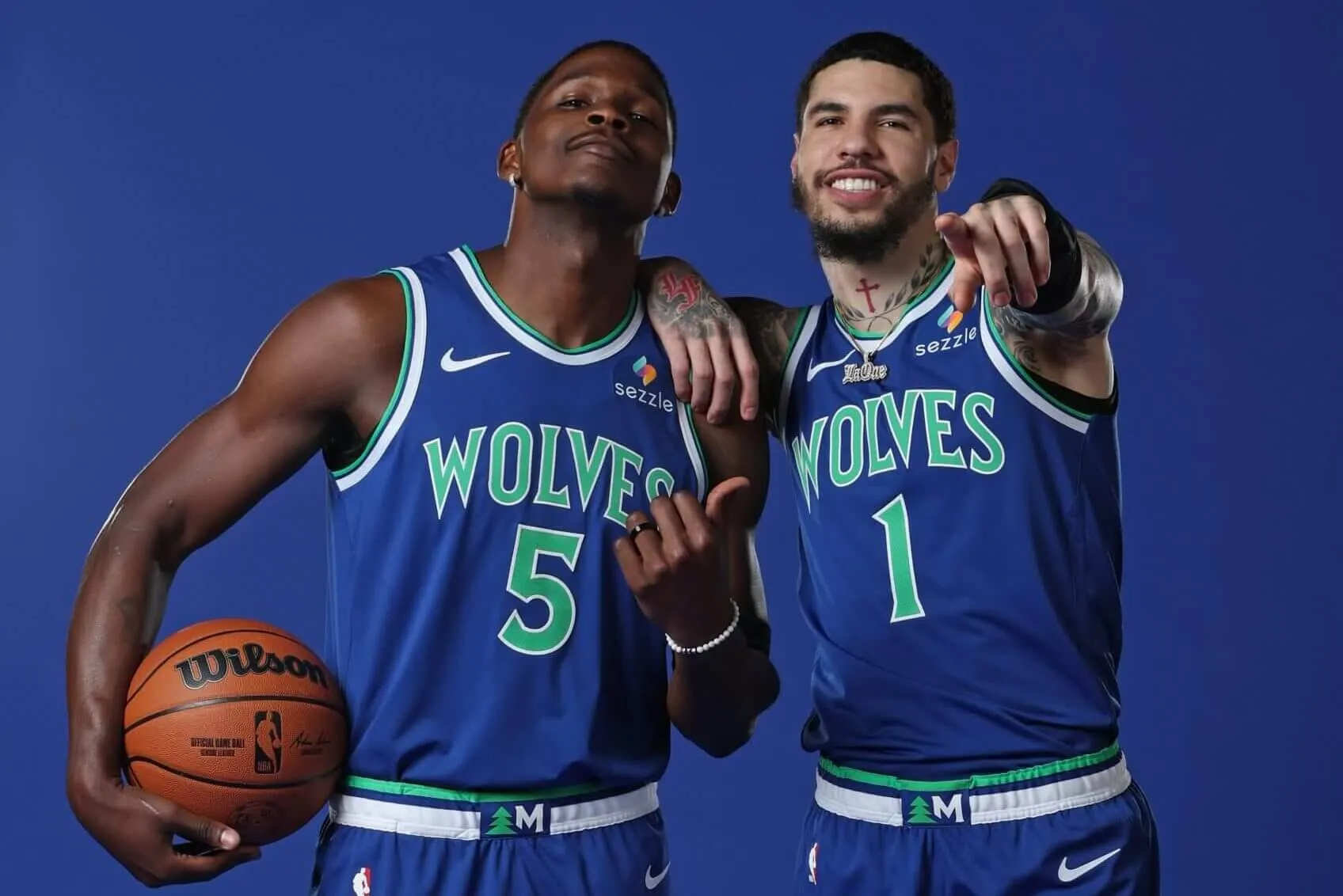
By: Courtney Byrd
The Minnesota Timberwolves have spent the past few seasons establishing themselves as a playoff team. This summer, they made a major change in hopes of becoming something more.
Minnesota acquired LaMelo Ball to play alongside Anthony Edwards, giving its leading scorer the point guard the organization has wanted next to him. The move came at a cost. Naz Reid went to Charlotte in the Ball deal, Julius Randle was traded to Brooklyn, and Donte DiVincenzo is recovering from Achilles surgery. Jonathan Kuminga joins the frontcourt as the Timberwolves enter training camp with a different roster and little time to find their rhythm.
The urgency is understandable. Minnesota finished 49–33 last season but lost to the San Antonio Spurs in the Western Conference semifinals after reaching the conference finals in each of the previous two years. The Timberwolves have shown they can win a playoff series. Their latest moves are aimed at helping them go further.
Ball Could Bring Out a Different Side of Edwards
Edwards has become one of the NBA’s most dangerous scorers, but Minnesota leaned heavily on him to create offense last season. He often had to bring the ball up, initiate a play, and then find a way to score against a defense already focused on stopping him.
Ball changes that arrangement. He averaged 20.1 points and 7.1 assists for Charlotte last season and has the passing ability to find teammates before a defense gets set. At Media Day, Edwards welcomed the chance to hand over more point guard duties. That could allow him to spend more time attacking off the catch, cutting into open space, and focusing his energy on defense.
The shooting numbers offer a reason to watch that adjustment. Edwards made 49.6% of his catch-and-shoot three-pointers last season, compared with 35.3% of his pull-up threes. Yet relatively few of his attempts came off the catch. With Ball handling more of the setup work, Minnesota should have more chances to get Edwards the ball when he is ready to shoot or drive.
The benefit could extend beyond Edwards. Ball’s passing should create opportunities for Jaden McDaniels on cuts and for Rudy Gobert near the rim. The question for coach Chris Finch is how quickly the two guards learn each other’s timing. Both can make spectacular plays with the ball in their hands. Training camp and the preseason will show how well they create chances for each other.
Kuminga Has a Significant Job Up Front
The trade for Ball addressed Minnesota’s need at point guard while leaving a substantial gap in its frontcourt. Reid provided scoring off the bench, and Randle gave the Timberwolves another established offensive option. Their production and physical presence cannot be replaced by one player alone.
Kuminga is expected to take on a major role after signing with Minnesota in September. He brings athleticism and the ability to attack the basket, but the Timberwolves also need him to rebound, defend, and fit alongside Gobert. Those responsibilities may be more important to this team than how many points he scores.
McDaniels will remain central to Minnesota’s defensive identity, and Ball’s arrival could give him more opportunities on offense. Still, Finch must find lineups that give Edwards and Ball room to operate while holding up defensively against the West’s strongest teams. The fit between Kuminga, McDaniels, and Gobert will be one of the most revealing parts of the preseason.
There is also less certainty in the backcourt rotation with DiVincenzo sidelined. Ayo Dosunmu, Terrence Shannon Jr., and Jaylen Clark are among the players who could see more opportunities. Minnesota has options, but Finch will have to learn which combinations provide the shooting, ball-handling, and defense the team needs when its starters rest.
The New Look Comes with Real Expectations
Ball and Edwards have the talent to form one of the league’s most entertaining backcourts. That alone will not determine whether Minnesota improves. Ball’s availability will matter after injuries interrupted several of his seasons in Charlotte, and the Wolves must find consistent production from a frontcourt that looks very different from last year’s.
The Timberwolves have time to work through those questions, but their ambitions make this camp important. They are coming off five straight playoff appearances, and another trip to the postseason would be a starting point rather than the full measure of this roster. Minnesota made these moves with the hope that a better offense around Edwards can stand up deeper into the spring.
The first public test comes Oct. 5 in a preseason game against the Milwaukee Bucks. Minnesota opens the regular season Oct. 21 on the road against the Miami Heat. Those games will begin to show what Ball and Edwards look like together, how Kuminga settles into the frontcourt, and whether the Timberwolves can preserve the strengths that made them a playoff fixture.
Minnesota has changed a great deal around Edwards. Now the Timberwolves must show that the new pieces can help him and the team take the next step.