

 NFL
NFL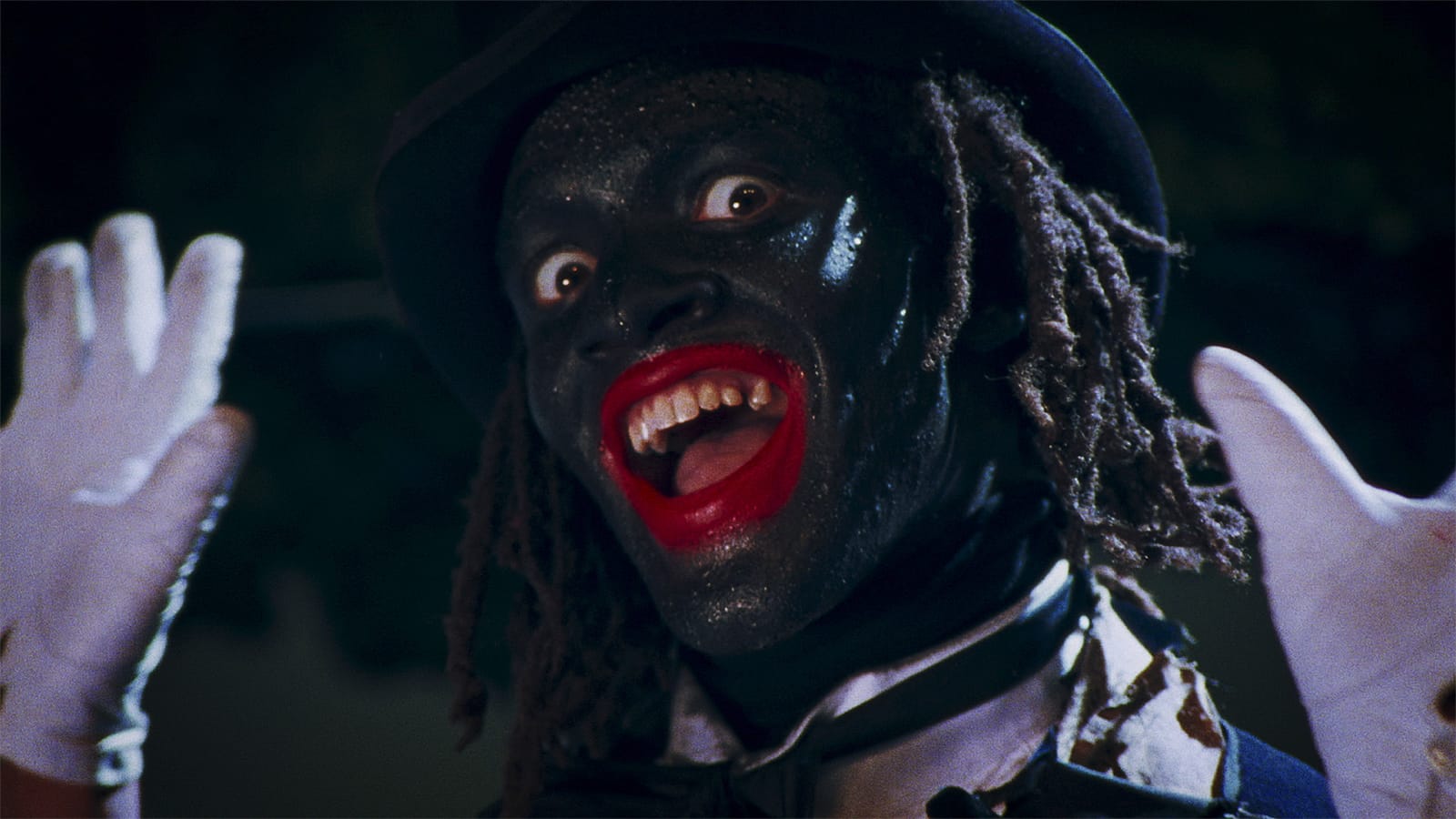
By: Matt Overton
The Thirteenth Joint
Bamboozled is the most provocative film I’ve ever watched. Spike Lee masterminds a minstrel show for the 21st century as he dares America to stare its disgustingly racist past in the eyes. Never one to shy away from an intellectual challenge, Spike’s thirteenth picture was his most controversial. To make a movie that not only tackles the history of blackface, but also the ways in which Black talent was commandeered throughout the entertainment business, reveals some startling truths.
Pierre Delacroix is a television writer at CNS who is tired of having his scripts rejected for being too “white.” Michael Rapaport plays his senior executive Dunwitty—who has a Black wife and biracial kids, so of course he claims to know more about the Black community than the eloquent Delacroix. This witty writer knows he’s at a dead end at CNS, so he comes up with a brilliant idea to get himself fired: come up with a show so abhorrent, so offensive, and so racist that the network will have no other choice but to let him go. The brilliant product of that plan is “Mantan: The New Millennium Minstrel Show.”
America might have thought it had figured out its centuries long race problem by 2000, but as anyone who’s been alive the last couple of years knows, this country still has a lot to work through. It comes as less of a surprise to contemporary audiences that this modern minstrel show is a smash hit. Delacroix may have began this crusade for righteous reasons, but even he can’t be helped getting swept up in the massive success the show becomes. The extras didn’t know what kind of set they were walking on to, so their confused and disgusted looks are authentic. But once a couple people laugh, everyone else feels comfortable pointing and laughing at the derogatory stereotypes audiences have been fed for over a century. Mantan becomes such a nationwide phenomenon that it becomes commonplace for children to wear blackface masks and audience members start showing up with freshly painted faces for showtime.
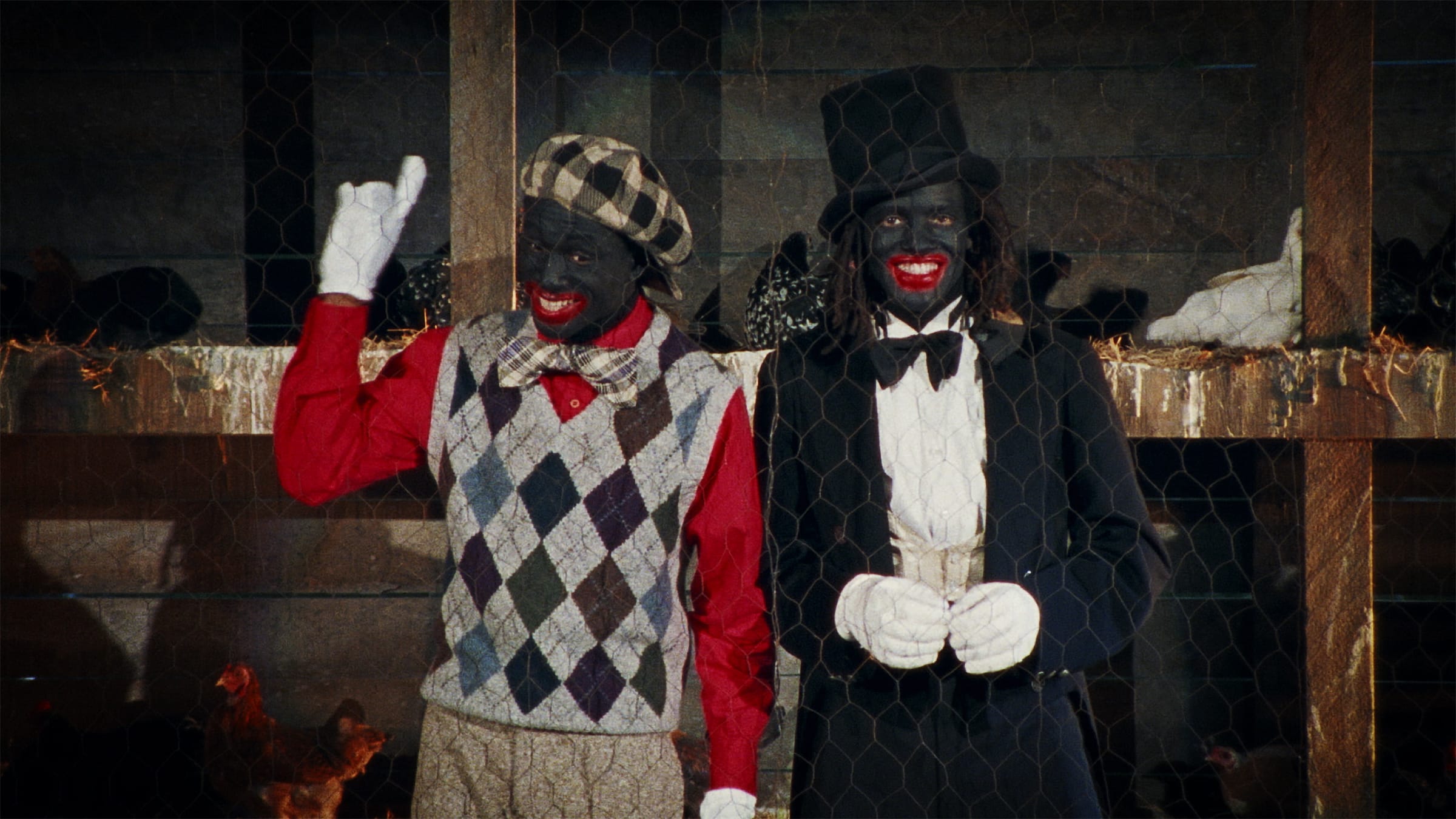 Spike’s unabashed filmmaking is on full display here. He comes out swinging like I’ve never seen a director swing. Without any reservations about how Bamboozled might shift public perception against him—or the not so subtle dig against Tarantino as they were at the height of their beef—he made the film he wanted to make and jumped through every hoop necessary. Made on a tight $10 million budget, Bamboozled very much looks like a product of the year 2000. Shot digitally on handheld cameras you might have seen at the family reunion, the picture has a rough and amateur look to it; but the digital photography wasn’t only for budget reasons, it also allowed for incredible multi-cam set ups that allowed for every possible angle to be captured and edited in for maximum effectiveness. Once the minstrel show begins though, the director shot on the crisply detailed Super 16mm format. This not only gives the film’s central force a distinct look to the rest of the abrasive digital look, but on a deeper level it brings into focus the actual talent that goes into these performances and the human beings underneath all the blackface.
Bamboozled might be the most Important film in Spike Lee’s filmography. It has become more and more prescient as time slips past us. The way Black agency is bought and sold, the expectations Black performers have to conform to, the centuries of hateful stereotypes that are still clinging on in popular culture—Bamboozled tackles all of this mess and more in 136 minutes of unflinching artistry. Spike dares audiences to stare America’s history of racism dead in the eyes, and in 2000 most were not ready, or thought this whole exercise was unnecessary and manufactured controversy. It certainly is a provocative film, and twenty five years on, is proving to be all the more necessary for Americans to watch.