
 NFL
NFL
By Bill Carroll
There are many things that come to mind when one thinks of the Northwestern Wildcats’ coaching staff. Hard-working, resolute, solid, to name but a few, until recently, star power was not a term that rose quickly to mind. With the addition of Offensive Coordinator, Chip Kelly, yes, that Chip Kelly, and Quarterbacks Coach, Jerry Neuheisel.
Particularly in the case of the charismatic and photogenic Neuheisel, this is intriguing and surprising.
Schematic Showdown: Zach Lujan Compared To Chip Kelly at Northwestern
A Philosophical and Schematic Change for the Wildcats
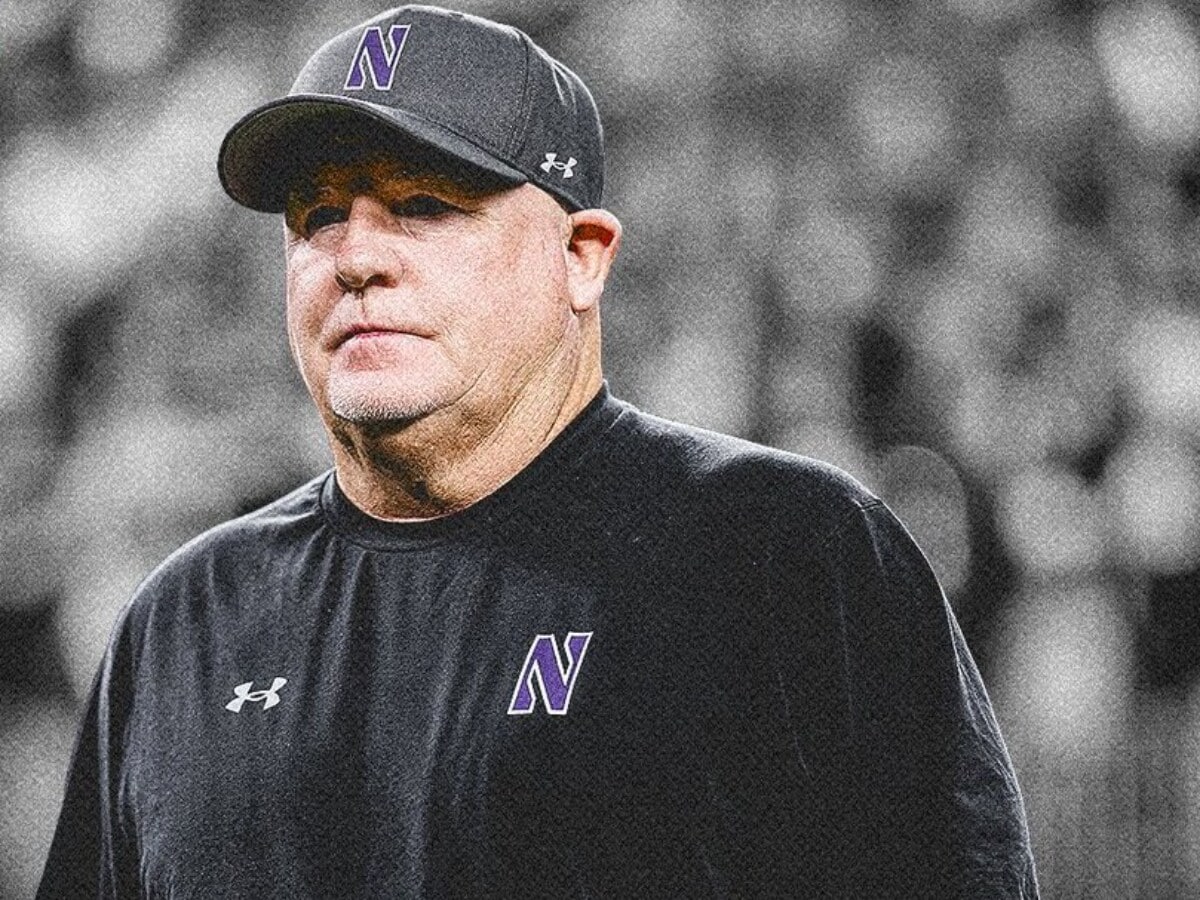
Northwestern’s offensive identity is entering a genuine inflection point. The transition is from Zach Lujan, whose system was rooted in structure, efficiency, and quarterback protection, to Chip Kelly’s, who is one of the most influential offensive minds of the modern era, signaling not merely a change in play-calling but a shift in how Northwestern intends to attack defenses, deploy personnel, and define its quarterback.
This comparison is best understood as control versus conflict, precision versus pace, and sustainability versus acceleration.
Zach Lujan’s Offensive Identity (Northwestern 2023–2025)
Philosophical Core
Zach Lujan’s offense at Northwestern was pragmatic, QB-conscious, and methodical. Influenced heavily by his time at South Dakota State, Lujan emphasized:
-
Ball security
-
Field position
-
Down-to-down efficiency
-
Limiting negative plays
Rather than overwhelming defenses, Lujan sought to out-execute them, leaning into situational football and controlled sequencing.
Personnel & Structure
-
Base Personnel: 11 personnel, with frequent 12 personnel usage
-
Formations: Balanced, condensed sets; occasional spread looks
-
Quarterback Role: Distributor, not centerpiece
-
Tight Ends: Functional blockers first, outlet receivers second
The offense was designed to protect the quarterback rather than empower him as a stressor. Reads were defined, progressions were structured, and improvisation was muted.
Run Game
-
Primary Concepts: Inside zone, duo, split-zone
-
Run Direction: Interior-focused
-
Philosophy: Stay on schedule, avoid 3rd and 5 or more
Lujan’s run game was less about explosive runs and more about maintaining favorable down-and-distance. Under him, Northwestern’s offense took 3–4 yards as a win.
Passing Game
-
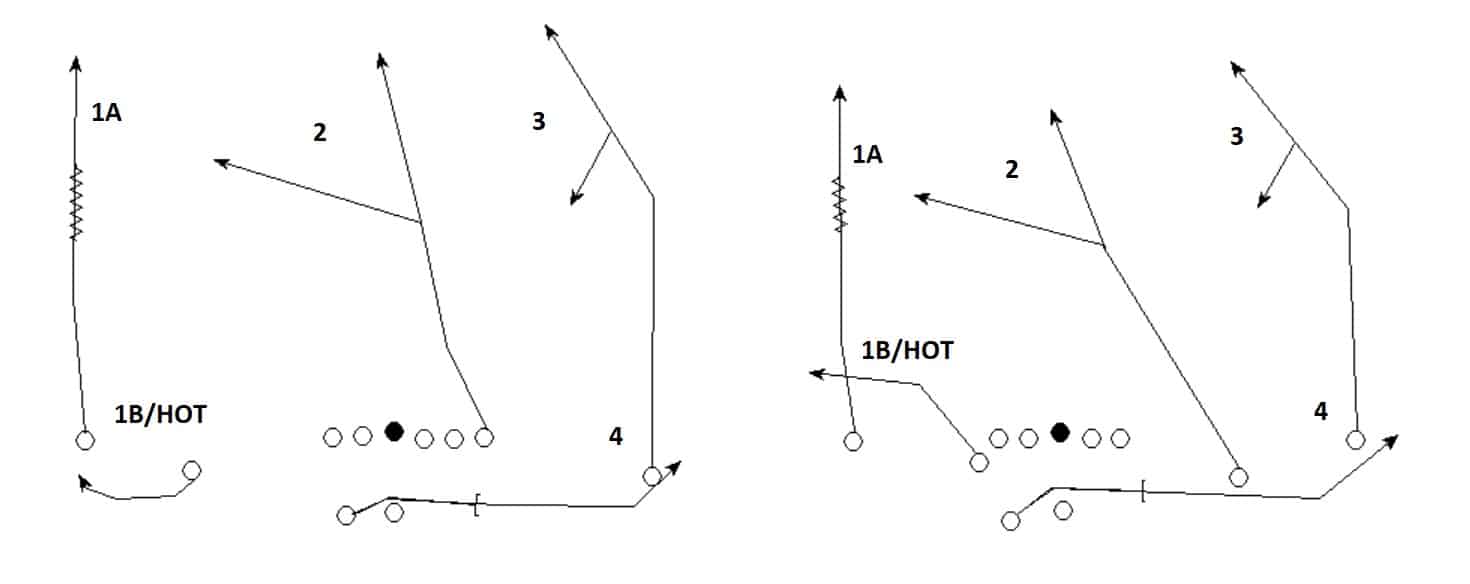
Quick game, play-action, defined reads
-
Limited RPO volume
-
Few deep, extended-developing concepts
The passing attack emphasized completion percentage and control, not vertical aggression. It was designed to survive rather than intimidate.
Tempo & Metrics
-
Tempo: Moderate, huddle-based
-
Plays per game: ~62–66
-
3rd Down Efficiency: Respectable, a situational focus on solidity
-
Explosive Plays: Below conference average
Bottom line: Lujan’s offense was stable, cautious, and execution-dependent. It raised Northwestern’s floor, but capped its ceiling.
Chip Kelly’s Offensive Philosophy
Chip Kelly’s reputation is often frozen in time, with Oregon’s blur offense, relentless tempo, and defensive exhaustion. But that version was only Act I. Kelly’s greatest value lies in evolving without abandoning his core principles.
Something Old: Kelly’s Core Philosophy (Then and Now)
“Master a few plays. Attack defenders with many looks.”
The offense still revolves around:
-
Conflict creation
-
Defensive overreaction
-
Space manipulation
What’s changed is how and when those stresses are applied.
Something Borrowed: Structural DNA of Kelly’s System
Personnel Usage
-
Primary Personnel: 11 personnel
-
Secondary: 12 personnel with move TEs
-
RBs: One-cut runners with acceleration
-
TEs: Chess pieces, the inline-Y, slot, wing, and using motion
Kelly’s system requires versatility, not specialists.
Run Game Foundation
-
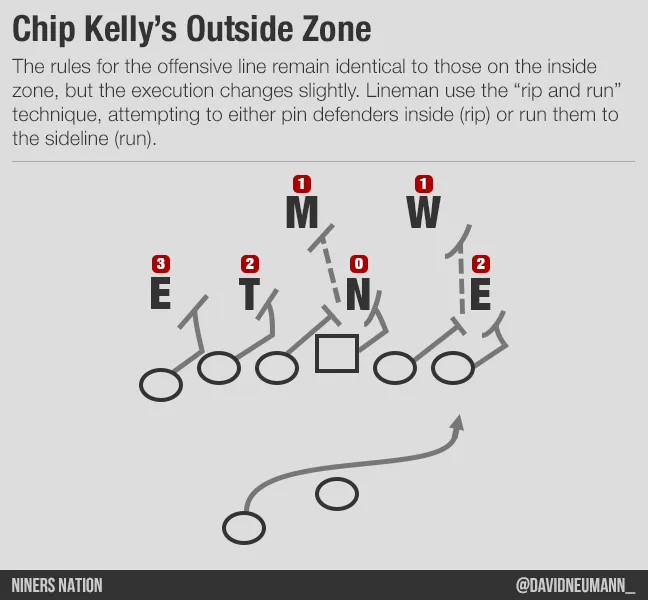
Primary Concept: Outside zone
-
Secondary: Power, duo, bash concepts
-
Blocking Philosophy: Area/zone-based (not man-based)
-
Objective: Horizontal stretch → vertical cut
This is critical: Kelly’s outside zone is not about turning the corner; it’s about forcing linebackers to flow, then punishing indecision.
Passing Game
-
Shotgun-dominant (~70%+)
-
Heavy RPO usage
-
Play-action off identical run looks
-
Minimal 7-step drops
The QB is not asked to be perfect. Instead, he is asked to be decisive, fast, and fearless.
Tempo & Pace
Historically: relentless no-huddle
Modern Kelly: selective acceleration
Kelly now:
-
Uses tempo as a weapon, not a lifestyle
-
Mixes no-huddle with controlled pacing
-
Forces defenses to reveal coverage via motion
This adaptation is crucial for Northwestern, where depth can be a limiting factor.
Something New: The Jerry Neuheisel Effect (QBs Go From Padawans to Jedis)
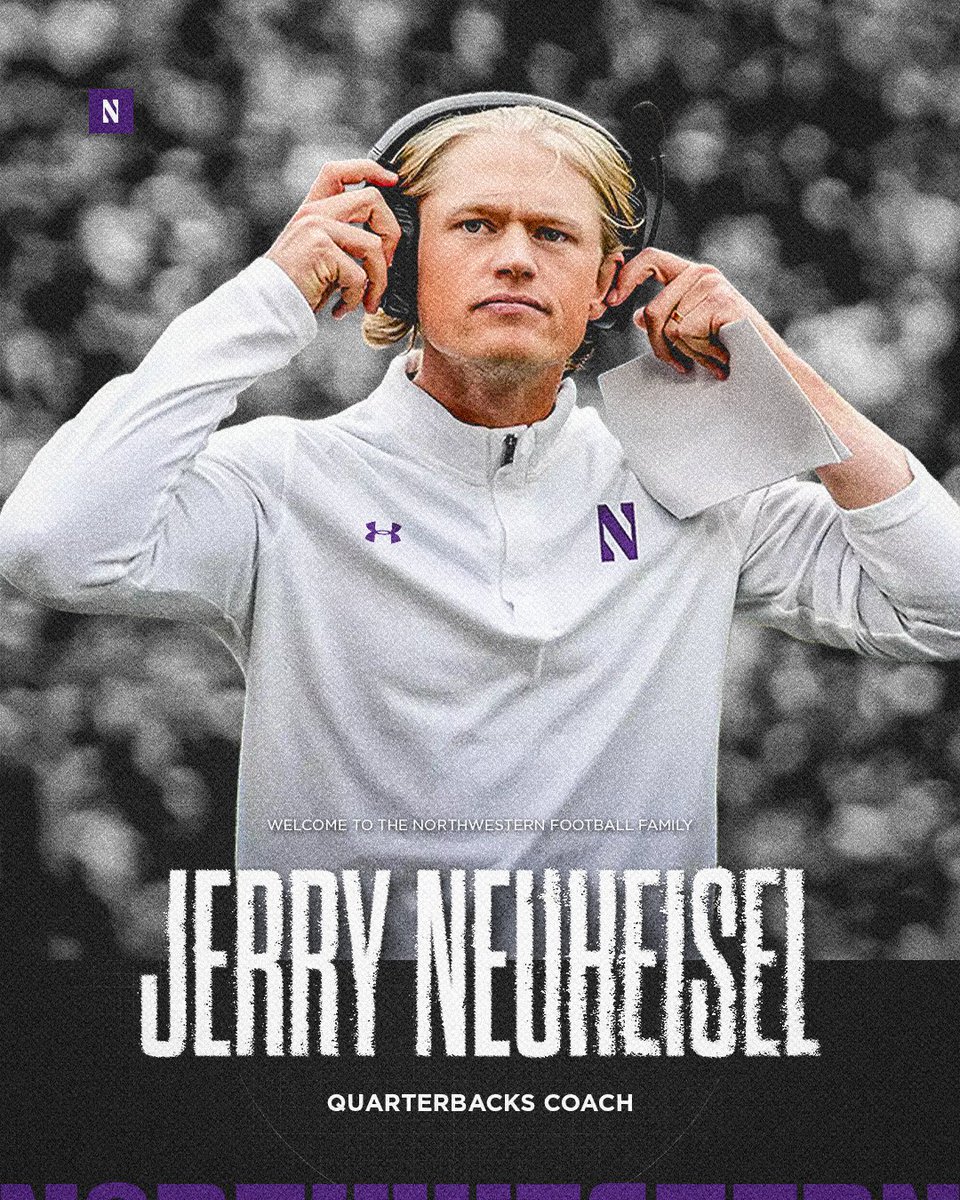
Neuheisel brings:
-
Quarterback mechanical and mental refinement
-
Pre-snap diagnostic emphasis
-
NFL-style coverage identification
This pairing suggests Kelly will:
-
Allow more QB autonomy
-
Incorporate more audible flexibility
-
Move away from the “run it anyway” rigidity of early Oregon years
That matters because previous Kelly systems favored QB audibles over tempo. This version is more cerebral and flexible.
Key Contrast: Lujan vs. Kelly
| Category | Zach Lujan | Chip Kelly |
|---|---|---|
| Tempo | Moderate, controlled | Variable, weaponized |
| QB Role | Manager | Stress creator |
| Run Game | Inside-focused | Outside zone foundation |
| Explosiveness | Low | High by design |
| Motion | Limited | Constant |
| Flexibility | Conservative | Adaptive |
| Defensive Stress | Execution-based | Conflict-based |
Projecting Kelly at Northwestern
What Will Change Immediately
-
More motion pre- and post-snap
-
Increased play volume
-
Expanded QB run/RPO menu
-
Greater use of tight ends in space
What Will Take Time
-
Offensive line adaptation to wide-zone footwork
-
Conditioning for tempo shifts
-
QB processing speed development
Risks & Limitations
-
Repetition can lead to predictability
-
Outside zone requires OL cohesion
-
Tempo can expose defensive depth if mismanaged
However, Kelly’s system’s updated version mitigates many of these issues through pacing control and personnel adaptability.
Risks & trade‑offs: Lujan’s offense needed time and a QB, line mesh to work in the Big Ten. Kelly’s power‑spread offense demands more athletic and powerful linemen as well as disciplined gap reads and has historically shown mixed early returns.
Something True: The Tale of the “Tape”
Zach Lujan’s offense raised Northwestern’s baseline.
Chip Kelly’s offense raises its ambition. Lujan built a system that survived adversity. Kelly brings one designed to create adversity for opponents.
If Northwestern embraces:
-
Tempo selectively
-
Motion creatively
-
QB empowerment responsibly
This offense won’t just look different; it will feel and be different. This is no longer about surviving Big Ten Saturdays. It’s about forcing defenses to solve problems in space and at speed.