

 NFL
NFL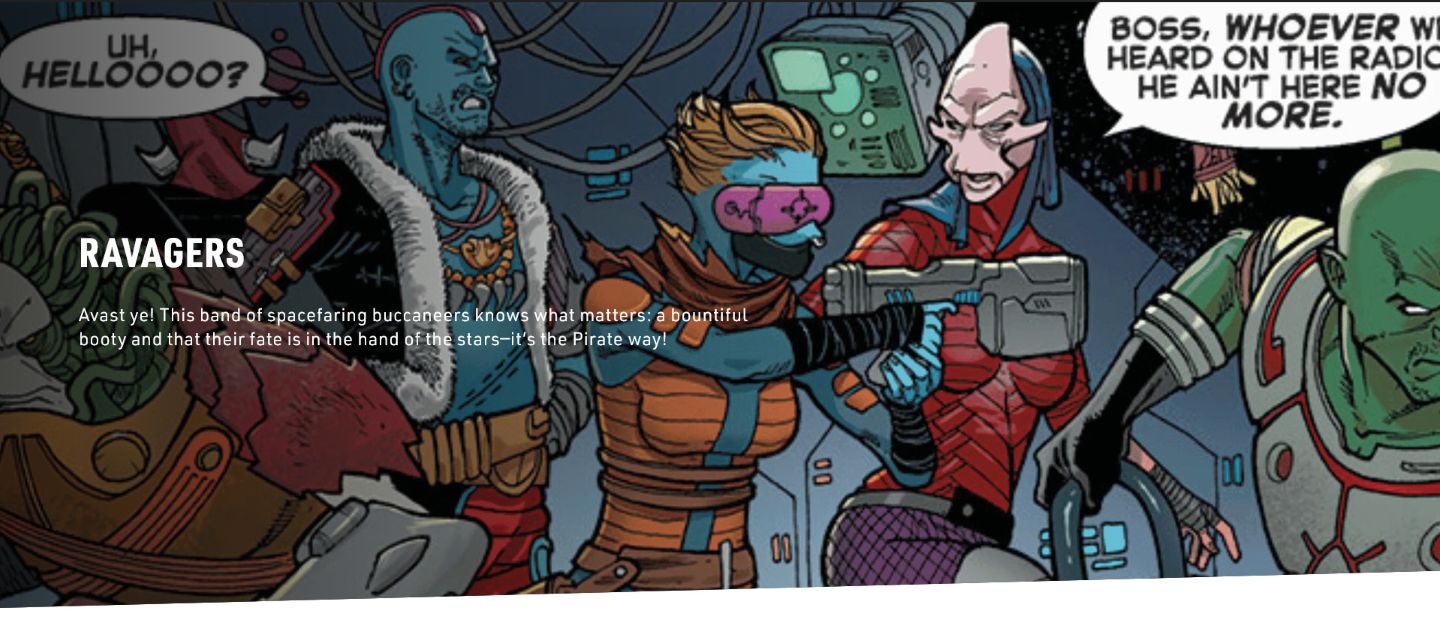
By Bill Carroll
The Ravagers are an interstellar syndicate of space pirates, thieves, and smugglers best known from the Guardians of the Galaxy films. I also think of them as a good template for the 2027 NFL Draft class of pass-rushers.
The Ravagers are not ordinary pirates. Led by the cunning and unpredictable Yondu Udonta, they cross the galaxy hunting vulnerable ships, valuable cargo, and the next enormous score. In the same spirit, the 2027 edge-defender class is packed with explosive hunters who attack offensive tackles, invade backfields, and plunder quarterbacks.
Yondu’s whistle-controlled Yaka arrow embodies what separates the best pass rushers from everyone else: speed, precision, unpredictability, and the ability to strike before the target recognizes the danger.
That makes the Ravagers an ideal comparison for this class. Every prospect owns a different vessel, weapon, or method of attack, but all are chasing the same treasure: the quarterback.
Note: This is a preliminary, past production/traits-based ranking entering the 2026 college football season. This remains fluid as players develop; roles change, and additional data become available.
The Captains
1. Colin Simmons, Texas
Ravager comparison: Yondu Udonta
Every Ravager clan needs a captain who combines natural talent, calculated aggression, and command of his weapon. Simmons is that figure. Like Yondu’s Yaka arrow, Simmons changes direction without losing momentum. His first step threatens the outside shoulder immediately; his bend lets him flatten into the pocket, and his motor keeps him in pursuit when the initial attack doesn’t land. He is not merely collecting cleanup sacks. He disrupts the quarterback or the protection scheme.
Simmons enters the season as the most polished and dependable pass-rush projection on this board. Although Dylan Stewart may possess the more imposing physical ceiling, Simmons currently owns the stronger combination of production, technique, instincts, and down-to-down urgency.
Plunder package: First-step explosion, cornering ability, active hands and an unrelenting motor.
The treasure still missing: Continue strengthening his speed-to-power transition and prove he can consistently disengage from longer NFL-caliber tackles.
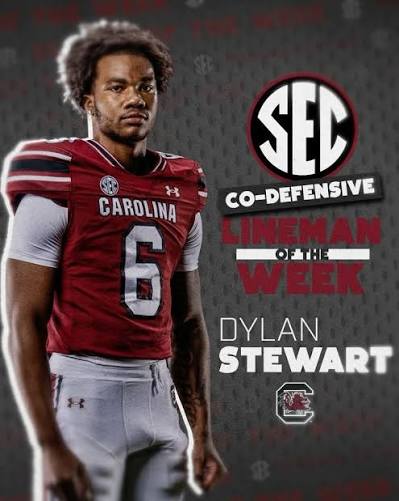
2. Dylan Stewart, South Carolina
Ravager comparison: Stakar Ogord
Stakar commands attention before he says a word. Stewart has the same presence.
Listed at 6’5″, 250, Stewart brings startling acceleration, flexibility, and closing speed for a defender with his length. His physical profile gives him the highest pure ceiling in the group. He can cross a tackle’s face, attack vertically, or bend around the corner with movement skills that appear imported from a much smaller athlete.
The difference between Stewart and Simmons is refinement. Simmons currently looks like the more complete pirate, while Stewart may own the galaxy’s most dangerous unfinished warship.
Plunder package: Rare bend, burst, and closing speed.
The treasure still missing: Consistent production, developed counters, and greater functional strength when tackles prevent him from winning cleanly.
3. Boubacar Traoré, Notre Dame
Ravager comparison: Star-Lord, Peter Quill
Peter Quill survived by improvising. He learned the Ravagers’ methods, adapted them to his own skill set, and eventually became a leader capable of operating outside Yondu’s shadow.
Traore’s adaptability is comparable. He rushes from different alignments, varies his angle, and alters his plan according to the tackle’s set. His technical flexibility gives defensive coordinators options; his best film suggests a defender who can be more than a designated speed rusher.
Plunder package: Alignment versatility, lateral quickness, and a developing collection of rush approaches.
The treasure still missing: A healthy, complete season establishing that his impact can remain consistent against stronger opponents.
4. Quincy Rhodes Jr., Arkansas
Ravager comparison: Heavily armed Ravager flagship
Checking in at 6’6″, 275, Rhodes is no small pursuit craft. He resembles the enormous vessel that arrives after the smaller ships have turned off the target. Rhodes possesses the size, reach, and power potential to overwhelm tackles. He threatens the pocket with long strides and converts his frame into forceful downhill leverage. If his technique and pad level improve, he could become a fast riser.
Plunder package: Exceptional frame, power capacity, and first-round physical upside.
The treasure still missing: Consistent leverage, lateral agility and dependable every-down run defense.
5. Yhonzae Pierre, Alabama
Ravager comparison: Kraglin, the disciplined navigator
Pierre wins through structure. He recognizes blocking angles, maintains leverage, and rarely appears lost within the defensive design. That makes him less of a freelance raider and more of a trusted navigator who keeps the entire vessel on course.
His coverage ability also gives him value in simulated pressures and zone-blitz concepts. He may not always deliver the loudest individual moment, but he helps preserve the integrity of the entire front.
Plunder package: Discipline, spatial awareness, leverage, and assignment flexibility.
The treasure still missing: More consistent pass-rush production and a signature finishing move.
Yondu’s Strike Team
6. Clev Lubin, Louisville
Ravager comparison: The Deck enforcer
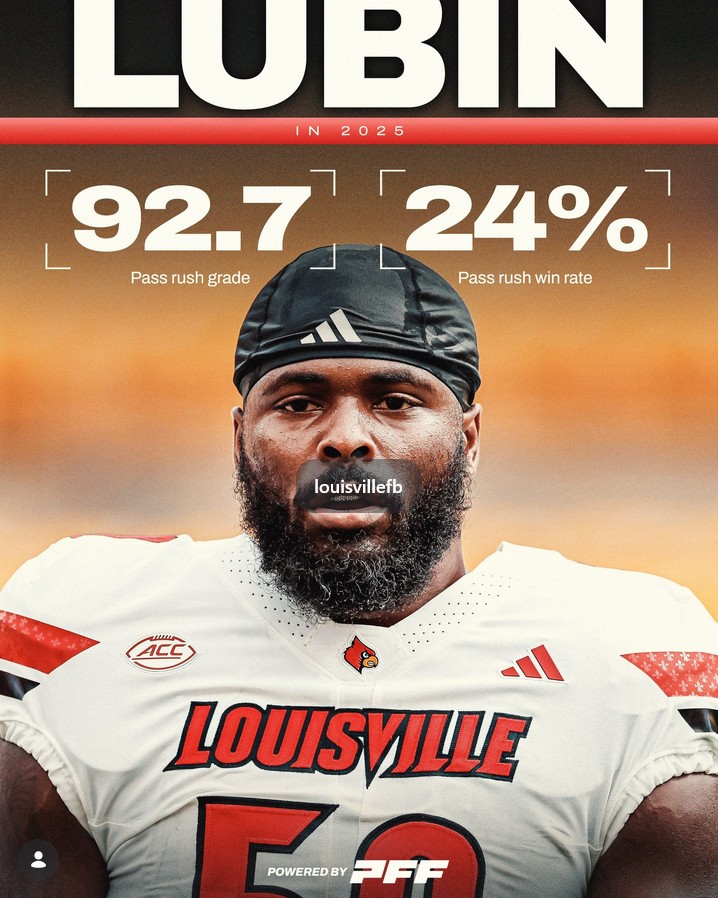
Lubin plays as if every snap is a boarding action. He attacks with violent hands, maintains an elite motor, and can string together multiple techniques during the same rush.
Plunder package: Rush variety, effort, hand violence, and second-effort pressure.
The treasure still missing: Greater consistency converting disruption into finished sacks.
7. Matayo Uiagalelei, Oregon
Ravager comparison: Ravager M-Ship
Uiagalelei may not be the flashiest Ravager, but his vessel is sturdy, balanced, and prepared for multiple kinds of conflict. His frame is NFL-sized, and his technical traits and ability to contribute against both run and pass are dependable. His consistency determines how high he climbs.
Plunder package: Length, power, positional stability with a well-rounded foundation.
The treasure still missing: Greater week-to-week dominance and a more threatening first move.
8. Anto Saka, Texas A&M
Ravager comparison: The interceptor craft
Saka is built to close space. His athletic traits allow him to redirect, cross a blocker’s face, and pursue plays away from his original alignment.
Plunder package: Movement skills, range, and developmental athletic upside.
The treasure still missing: More refined hands and a clearer plan after his initial burst is contained.
9. Taylor Wein, Oklahoma
Ravager comparison: The blockade runner
Wein does not need a spectacular maneuver to control the engagement. He wins with power, strong hands, and disciplined gap control. His game is built around preventing escapes and gradually collapsing the pocket.
Plunder package: Edge-setting strength, hand placement and physical reliability.
The treasure still missing: More dynamic cornering ability and a speed component that forces tackles to over-set.
10. John Henry Daley, Michigan
Ravager comparison: Reconstructed Ravager vessel
Daley has had an injury-interrupted route, but the foundation components remain appealing. Length, strength, and pass-rush variety are present. The next step is proving the ship can remain operational through an entire campaign.
Plunder package: NFL-caliber foundation, length and untapped developmental ability.
The treasure still missing: Health, sustained production and a larger body of dependable film.
The Boarding Party
11. Kam Franklin, Ole Miss
Ravager comparison: The siege ship
Approaching 295 pounds, Franklin can attack from the edge or reduce inside, where his mass and power become particularly difficult for guards to manage.
Calling card: Inside-outside versatility and heavy power.
Primary concern: He must demonstrate that added mass will not compromise his explosiveness.
12. Marquise Lightfoot, Miami
Ravager comparison: The scout ship
Lightfoot is a twitchy, speed-oriented attacker who wants to reach the corner before the tackle establishes control.
Calling card: Burst and speed.
Primary concern: Anchor strength and secondary counters.
13. Williams Nwaneri, Nebraska
Ravager comparison: The long-range cruiser
The 6’7″ Nwaneri’s length is disruptive in passing lanes and creates an unusually wide tackling radius.
Calling card: Rare dimensions and physical upside.
Primary concern: Pad level, leverage, and efficient movement at his size.
14. Damon Wilson II, Miami
Ravager comparison: The explosive raiding captain
Wilson offers sudden movement and seductive upside. He can penetrate gaps before blockers establish their base and has the traits to climb rapidly with greater consistency.
Calling card: Explosion and disruption.
Primary concern: Down-to-down reliability against the run.
15. Quintavius Johnson, Georgia
Ravager comparison: Fast-rising crewman
Johnson is an athletic defender whose trajectory may be more important than his current ranking. A larger role could reveal substantially more than his existing production suggests.
Calling card: Athletic growth potential.
Primary concern: Limited established résumé.
16. T.J. Searcy, Texas A&M
Ravager comparison: Two-way combat specialist
Searcy brings enough physicality to battle tackles in the running game while still presenting a credible pass-rush threat.
Calling card: Run-pass balance.
Primary concern: Developing a consistently dangerous third-down identity.
17. Teitum Tuioti, Oregon
Ravager comparison: Engine-room commander
Tuioti wins through leverage, effort, and functional technique. He keeps the operation moving even when others receive more attention.
Calling card: High motor, leverage and dependability.
Primary concern: Creating more immediate pressure against true pass sets.
18. Ikenna Ezeogu, Penn State
Ravager comparison: The power-drive operator
Ezeogu brings a sturdy frame and a power-based approach. His route to advancement depends upon converting strength into consistent pocket compression.
Calling card: Frame and power.
Primary concern: Flexibility and lateral quickness.
19. Elijah Kinsler, Memphis
Ravager comparison: The technician
Kinsler may not own the largest collection of rare physical traits, but his refinement makes him interesting. He understands how to sequence his hands and attack blocking weaknesses.
Calling card: Technique and rush planning.
Primary concern: Overall athletic ceiling.
20. JaJ’Mond Tapp, Memphis
Ravager comparison: The Freebooting Smuggler
Tapp is the wild card in the cargo hold. His coordination and late-blooming upside make him difficult to evaluate but equally difficult to dismiss.
Calling card: Coordination, disruption, and sleeper potential.
Primary concern: Consistency and role definition.
21. Braylan Shelby, USC
Ravager comparison: The first mate
Shelby is smart, tough, and capable of performing several assignments. His evaluation will rise when he identifies a go-to move he can depend on in critical situations.
Calling card: Intelligence and versatility.
Primary concern: No established go-to pass-rush weapon.
22. Keahnist Thompson, Michigan State
Ravager comparison: High-speed pursuit craft
Thompson enters the backfield quickly; winning the race to the target is only the first part of the mission.
Calling card: Elite initial quickness.
Primary concern: Counters, body control, and finishing at the quarterback.
23. Jahiem Lawson, Clemson
Ravager comparison: The acceleration cannon
Lawson’s ability to translate speed into power gives him a practical answer when tackles begin preparing for his outside rush.
Calling card: Agility and speed-to-power conversion.
Primary concern: Expanding his counter repertoire.
24. Darris Smith, Missouri
Ravager comparison: The unfinished long-range weapon
Smith’s long arms and athletic profile create an intriguing developmental foundation. He remains more projection than finished product.
Calling card: Length and growth potential.
Primary concern: Functional mass, strength, and technical consistency.
25. Princewill Umanmielen, LSU
Ravager comparison: The high-risk, high-reward mercenary
Umanmielen owns the athletic ingredients to become a dangerous SEC pass rusher. His ranking will depend on how frequently those flashes become complete performances.
Calling card: Athletic upside and pursuit ability.
Primary concern: Consistent execution and physical edge-setting.
26. Adepoju Adebawore, Oklahoma
Ravager comparison: Experimental Super-weapon
Adebawore possesses the kind of testing profile that forces scouts to reconsider traditional athletic expectations. His physical tools are immense, but tools alone do not complete the mission.
Calling card: Exceptional explosiveness and rare testing potential.
Primary concern: Translating traits into polished, repeatable football production.
Ravagers Seeking a Larger Share of the Treasure
Honorable Mentions:
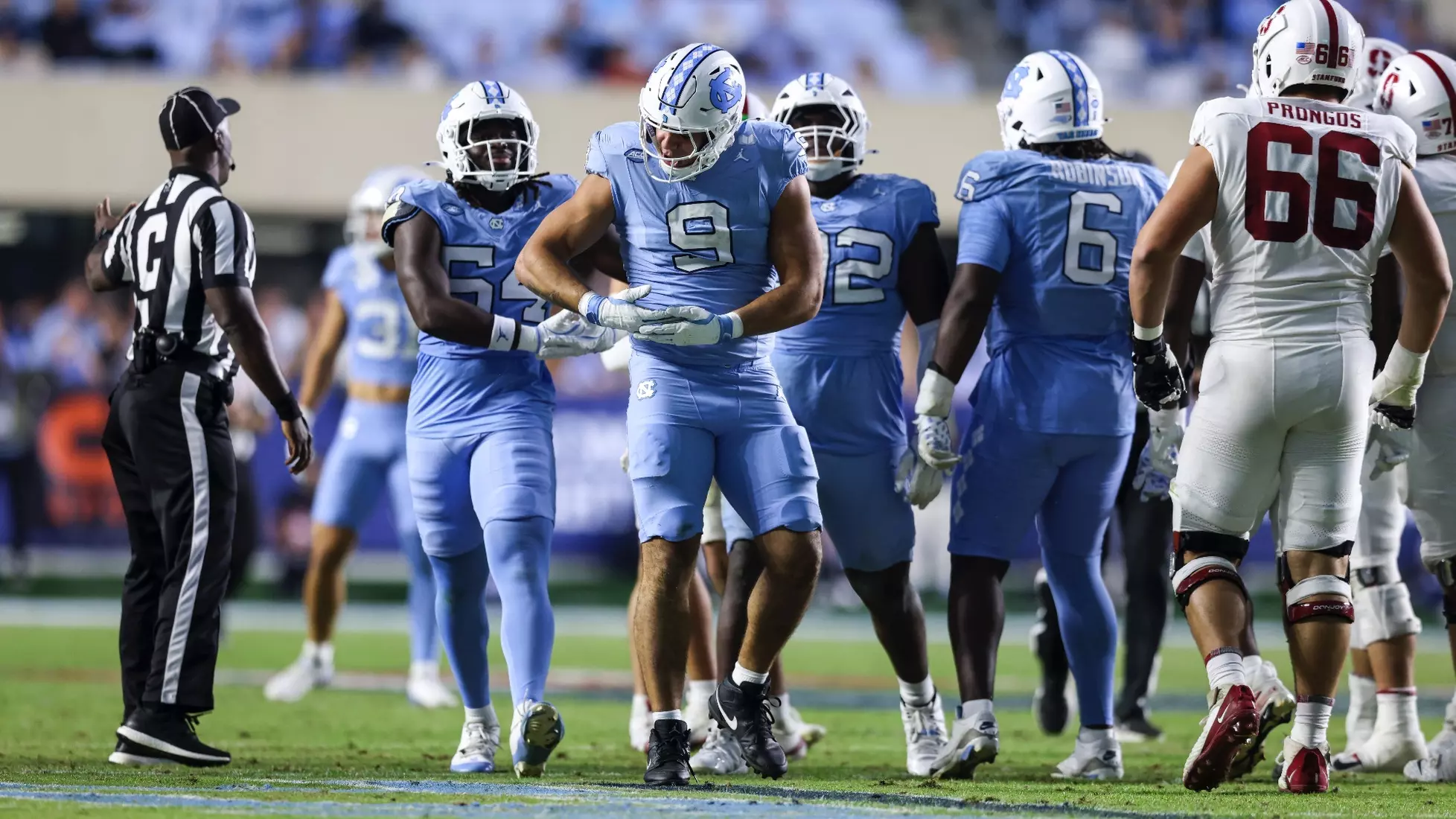
- Melkart Abou-Jaoude, North Carolina: An efficient power rusher with a clear plan, although athletic limitations may restrict his ceiling.
- Toby Anene, Colorado: A balanced defender capable of setting the edge and contributing across multiple downs.
- Joshua Burnham, Indiana: A dependable run defender still searching for greater pass-rush production.
- Mi’Quise Humphrey-Grace, Kentucky: Heavy-handed defender with a strong anchor and physical playing temperament.
- Tobi Osunsanmi, Indiana: Quick-twitch disruptor who can threaten gaps before blockers settle.
These are the Ravagers who may not command their own factions yet, but they possess enough specialized ability to earn larger roles as the evaluation process continues.
Coordinates Beyond the FBS Map
Every Ravager understands that valuable cargo can be found beyond the galaxy’s most heavily traveled routes. These small-school prospects deserve continued monitoring:
- Camden Byrd, Richmond: Developmental FCS defender to track as competition intensifies.
- Garfield Lawrence, Texas Southern: A potential late-emerging disruptor from the HBCU ranks.
- Osirus Rhodes, Fayetteville State: Division II prospect with an opportunity to force scouts beyond traditional recruiting territory.
- Lance Rucker, North Dakota: FCS defender who can elevate his profile through high-level competition and postseason exposure.
- William Wallis, Southeastern Oklahoma State: Deep sleeper whose film, testing, and all-star opportunities could eventually place him on the NFL radar.
For these prospects, the map to the draft may require an invitation to an all-star game, verified measurements, and physical testing that proves their production translates.
Final Scouting Saga: The Horns of Freedom
Like a group of Ravager factions, this 2027 edge class has no single style of attack.
- Colin Simmons is the polished captain with the most dependable weapon.
- Dylan Stewart commands the most physically imposing ship.
- Boubacar Traore is an adaptable tactician.
- Quincy Rhodes Jr. brings the heavy artillery.
- Yhonzae Pierre keeps the mission disciplined and structurally sound.
- Clev Lubin supplies the relentless violence of a boarding party.
- Matayo Uiagalelei offers the reliability of a veteran warship.
- Adepoju Adebawore is an experimental weapon that could either transform the battle or remain frustratingly unfinished.
The top of the class is already compelling, but the order behind the leading prospects remains unsettled. That disagreement is appropriate because much of this class is still built on projection.
The 2026 season will determine which prospects are true captains and which are merely wearing Ravager colors. Yo ho ho. The quarterbacks are the cargo, the pocket is the ship, and the 2027 pass rushers are coming to collect.