

 NFL
NFL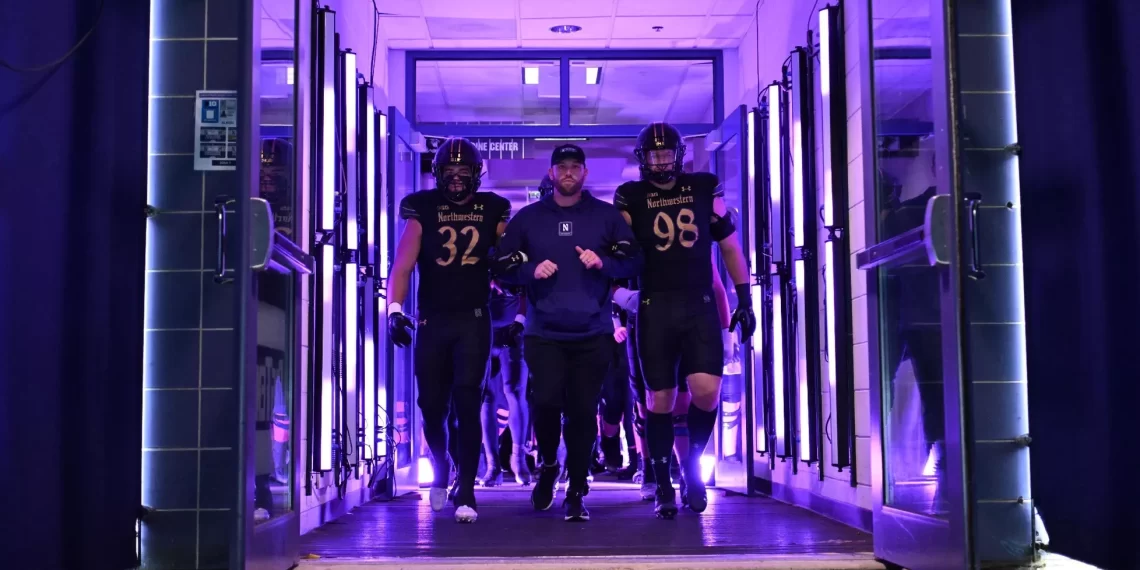
By Bill Carroll
The Northwestern Wildcats football team represents Northwestern University. The Wildcats compete in the NCAA Division I Football Bowl Subdivision and are a member of the Big Ten Conference, located north of Chicago in Evanston, Illinois. Founded in 1851, Northwestern began playing football in 1876. These are all things that even a cursory internet search would gather.
How Did We Get Here?
What goes deeper is the mixture of ennui, fear, humiliation, and pride that are intermingled in the history of the Wildcats. From the very deflating period during which they set the all-time FBS record for the longest losing streak in college football history, at 34 consecutive losses from 1979-82, to the memorable trip to the 1996 Rose Bowl on January 1, 1996, capping a magical Big Ten championship season, the underdog Northwestern Wildcats reached Pasadena, where they fell in a hard-fought 41–32 loss to USC.
Now Penn State comes to the new Ryan Field as each felt the sting of defeat. Last Friday, the Wildcats under Coach David Braun fell behind 12-0 to last year’s national champions, the Hoosiers, coached by Coach Curt Cignetti. There have been times in the past when that would have been the prelude to a blowout, but Northwestern came out in the second half and outscored the Hoosiers 23-17.
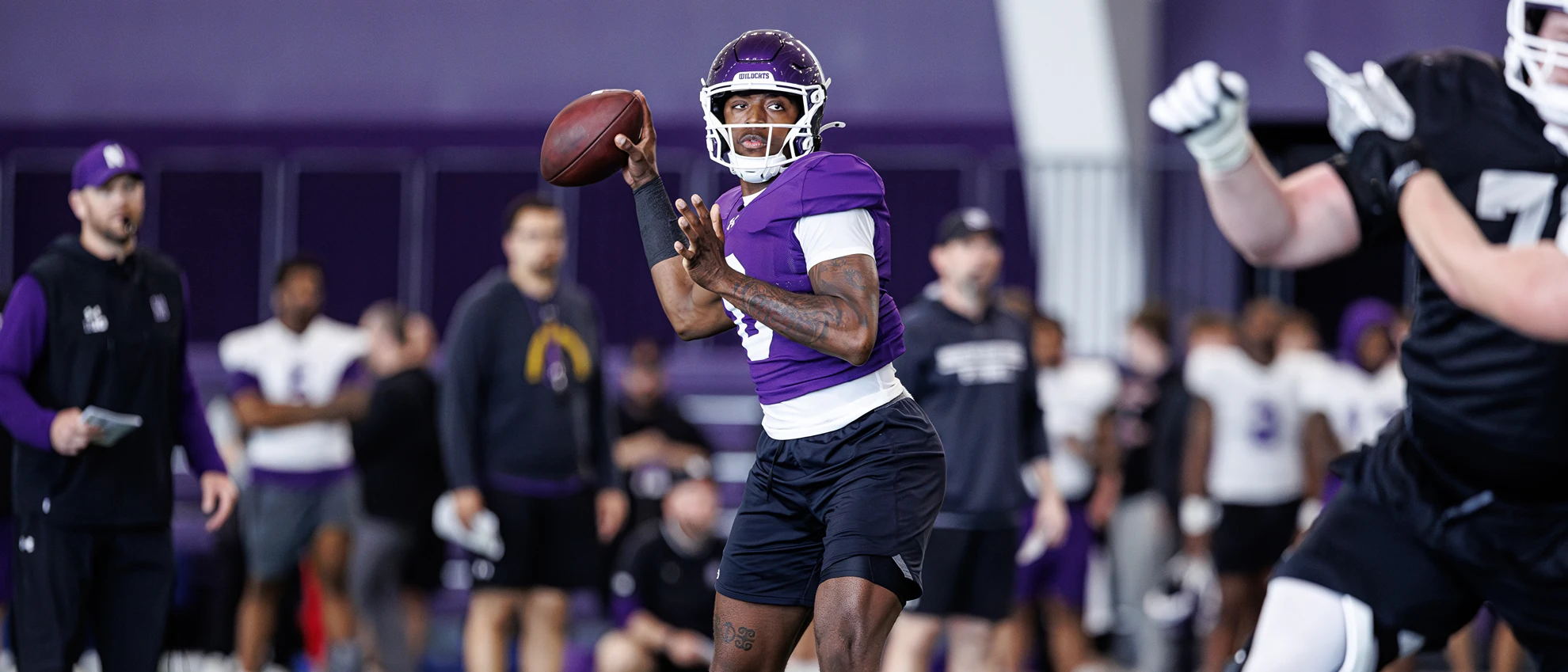
When blitzed last week, Aidan Chiles was 16/19 for 229 yards (12.1 yards-per-attempt) and two touchdowns with no interceptions.
“What an incredible reflection of this team’s maturity, composure, resiliency in terms of the way that they responded in the second half through ups and downs,” Braun said.
What Is Happening Now?
While losses are losses and wins are wins, this was the type of loss that can propel a team to have a great rest of the season. This Friday the Nittany Lions will arrive with the 24-20 upset loss to the Wisconsin Badgers behind them and the “White Out” game versus USC following on October 10th. The Penn State defense will face an improving Wildcats’ offense.
The Scheme’s The Thing
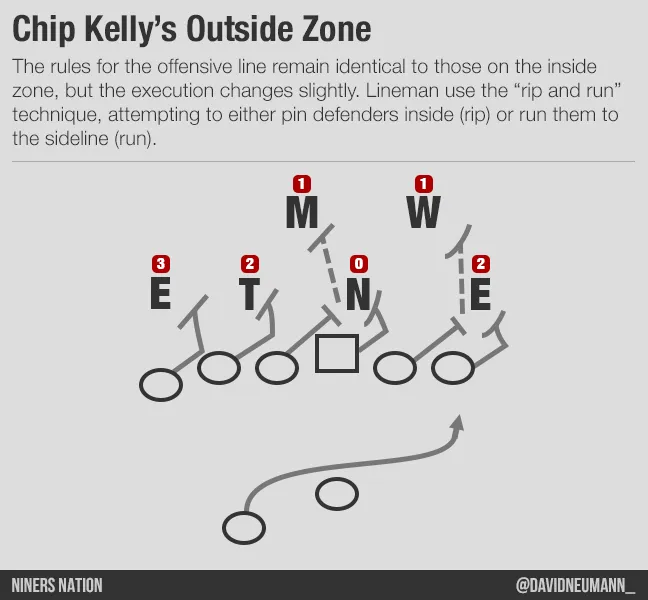
In the past I have written about Chip Kelly’s Offensive Philosophy.
Chip Kelly’s reputation is often frozen in time, with Oregon’s blur offense, relentless tempo, and defensive exhaustion. But that version was only Act I. Kelly’s greatest value lies in evolving without abandoning his core principles.
Opposing him and his scheme is the defensive coordinator for the Penn State Nittany Lions is D’Anton Lynn. Matt Campbell hired Lynn in December 2025 to bring multiplicity and controlled aggression to the defense. His 3-4 base routinely shifts into a 2-4-5 nickel, using late rotations, disguised coverage, and pressure threats from multiple launch points, forcing quarterbacks into difficult pre-snap reads.
Penn State’s Defensive Core Principles
Dictate the Terms
Lynn’s defense is built to test protection. Shaped by his NFL background with Rex Ryan, his objective is to force offensive lines to identify threats, communicate, and protect space under stress.
Controlled Pressure
The defense shows pressure early and often. Five- and six-man fronts force the offense to declare its protection before the snap; Lynn can then bail out, rush four, or create a different pressure picture entirely.
Post-Snap Confusion
The real weapon is uncertainty. Lynn wants the quarterback and protection scheme solving the defense after the snap. Disguise, late rotation, and pressure movement create hesitation—and hesitation gives the rush time to win.
Secondary as Pressure Source
Corners and safeties are active participants. Lynn uses disguised pressures, simulated pressure, and rotating shells to manufacture uncertainty by showing two-high before rotating to Cover 1, inserting a robber, or changing the pressure point after the quarterback commits.
Front-7 Goals
Gap Control and Vertical Disruption
The front must protect its gaps while attacking the line of scrimmage. Interior defenders occupy blockers; linebackers attack the space those blocks create. The objective is simple: force the offensive line to solve more than one problem at once.
Stunts, Movement and Decoys
Lynn uses twists, games, and alignment changes to create a domino effect. Shift the front. Change the point of attack. Force one blocker to commit and make the next rusher the problem. The point is force a breakdown in communication and break the protective structure.
How Will Chip Kelly Counter This?
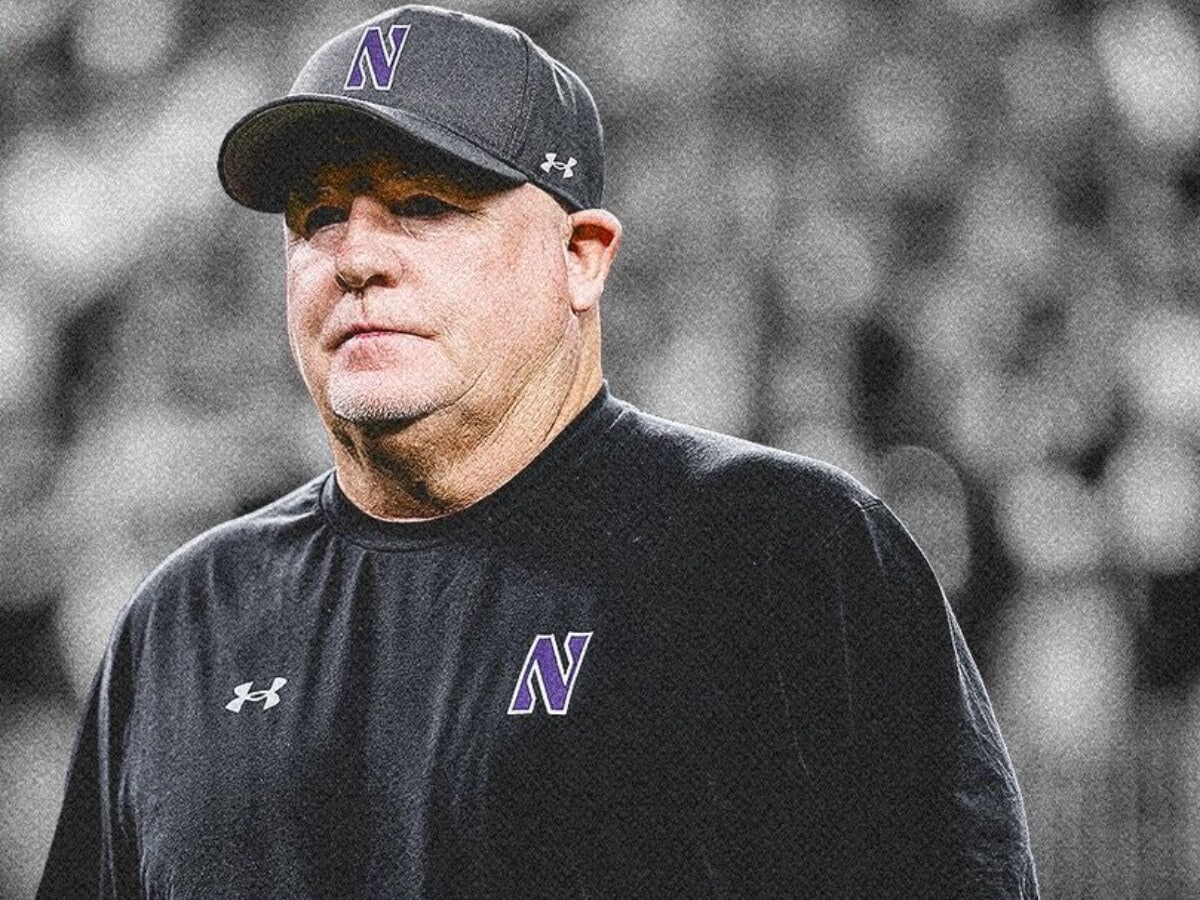
If Northwestern responds to this scheme by adding protectors, that allows the defense to dictate terms. Kelly could widen the front, use motion to identify pressure, and force rushers to declare their intentions. Outside zone, split flow, and quick RPOs can punish linebackers for attacking downhill, while screens and perimeter throws make the perimeter defenders travel farther. The quarterback must control the conflict player to create the occasional big play, but more vitally, to avoid three and outs. Selective tempo prevents substitutions and traps the defense with unfavorable personnel. Northwestern must vary the launch point with boots, sprint-outs, and designed quarterback movement. If the defense wants to break protection rules, the Wildcats must make those rules harder to identify pre-snap.
Who Wins and Why?
Penn State was favored versus Wisconsin but collapsed in the fourth quarter, allowing 14 4th quarter points. Last year The Wildcats beat the Nittany Lions 22-21. Northwestern enters the matchup with more injury uncertainty. Wide receiver Hayden Eligon II and defensive backs Damon Walters and Braden Turner were listed as questionable on Northwestern’s Tuesday availability report. Penn State also has an impact player carrying that designation in cornerback Daryus Dixson.
Penn State tallied a mere 119 yards at a paltry 3.3 per attempt versus the Badgers; if that is not nearly doubled, Penn State will struggle. Both Rocco Becht and Chiles are players with NFL talent, but both have struggled with consistency and turnovers.
I think that the Wildcats win the battle in the running game and gut out a 23-20 win.