

 NFL
NFL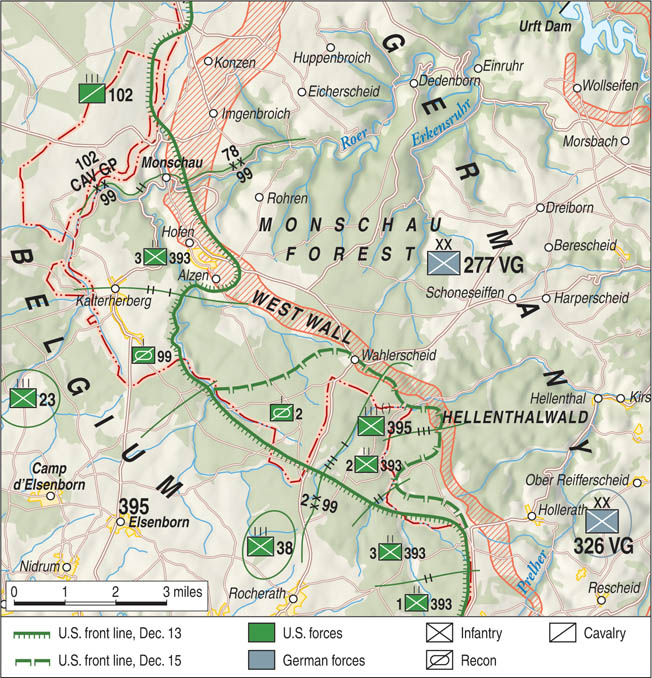
By Bill Carroll
From navigating the transition to a new stadium in 2026, the ongoing integration of Head Coach David Braun’s impact after Pat Fitzgerald‘s scandal-tinged dismissal, and the challenge of competing in this revamped Big Ten conference. The Wildcats are implementing new fan experiences, expanding new festival grounds on non-game days, and facing a future where success hinges on Braun’s ability to cultivate his recruiting and coaching philosophy.
With all that, a wounded and embarrassed Nittany Lions program limps in, dragging a 3-2 record, and they are actually looking up at the Wildcats in conference standings. Penn State fell to common opponent UCLA 42-37, allowing 435 total yards of offense. Northwestern managed to hold the Bruins to 14 points and 311 total yards. The Wildcats gained 314 yards versus UCLA, with 199 of those yards on the ground.
The Battle of the Wahlerscheid Crossroads, which became known as Heartbreak Crossroads, was fought starting December 13, 1944, at a key intersection in the Siegfried Line near Krinkelt-Rocherath, Belgium, and Wahlerscheid, Germany. Allied forces secured the crossroads but were forced to abandon it the next day when the German Battle of the Bulge offensive began, leading to the name “Heartbreak Crossroads” due to the quick loss of hard-won ground.
Northwestern’s Defense
The Wildcats’ defense is ranked 72nd out of 136 in yards per play at 5.6; however, they are 27th in points allowed per play at 19.5 and 113th in 3rd down conversion % at 46%. If the Passionate Purple Pack from Evanston wants to pull the upset, this defense will have to be outstanding on 3rd down. We shall see which side can dominate in the close-in fighting.
Per ESPN:
Penn State’s stop rate has plummeted from 90.9% to 68.2% over the past two weeks. The Nittany Lions’ defense got zero stops in the first half of their stunning 42-37 loss at UCLA and ranks No. 33 in stop rate this week.
Plan of Attack
The Army’s
Doctrinal Manual on this subject, Field Manual 6-0 Mission Command: Command and Control of the Army
Forces identifies the three elements of command as authority, decision-making, and leadership. The four
Elements of decision-making consist of visualizing the battle-space, describing the visualization to
subordinates, directing action to achieve results, and leading the unit to mission accomplishment.
Both units would be forced to crack the Siegfried Line before gaining good roads to their objectives. Stressing the importance of Robertson’s task, General Gerow had allocated seven battalions of corps artillery to supplement the division’s four artillery battalions. In all, some 120 field pieces ranging from 105mm to 240mm would be on call. In addition, three battalions of the 99th Infantry Division would launch supporting attacks to protect the 2nd Division’s right flank. The attack was scheduled for 8:30 am, December 13, 1944.
Relinquishing its sector of the Ardennes “Ghost Front” near St. Vith, Belgium, to the green 106th Infantry Division on December 10, the 2nd Division motored 15 miles north to Camp Elsenborn, near Rocherath. In December 1944, the snow-covered Ardennes was so quiet it was termed by Allied planners “the Ghost Front.” The U.S. placed its greenest units among the wooded hills, along with combat-shattered units. But beneath trees just miles away, the Germans were stealthily massing two full Panzer armies and 300,000 assault troops.
Week after week, Hitler poured the cream of the Wehrmacht into the “quiet” sector, for a surprise attack designed to shatter the American front. Colonel Chester J. Hirschfelder’s 9th Infantry Regiment had been selected to spearhead the division’s attack. The 9th, dubbed the “Manchu” Regiment after its role in the Chinese Boxer Rebellion of 1900, was an old Army formation with an unblemished war record. The Manchus were tasked with driving north through the underbelly of the Monschau Forest to take and hold a vital German crossroads called Wahlerscheid, four miles beyond Rocherath. Defended by elements of the 991st Regiment of Colonel Wilhelm Viebig’s 277th Volksgrenadier Division, Wahlerscheid was not a village but simply a forester’s lodge and customs house situated at a triangular road junction near the German/Belgian frontier. Once Wahlerscheid was secured, the 38th Infantry would make the main effort, swinging east-northeast to gain the open country at Dreiborn and then on to the Urft Dam.
The village of Höfen, Germany, defended by Lt. Col McClernand Butler’s 3rd Battalion of the 395th Infantry, Höfen never fell into German hands. This was the only place in the entire Battle of the Bulge salient where American troops stood their original ground. The battalion was awarded the Presidential Unit Citation for its superb defense, and two men were decorated with the Distinguished Service Cross, the nation’s second-highest decoration for gallantry in action.
From the outset, Major General Walter Melville Robertson had serious misgivings about his mission. Not only was his division to attack through terrain chillingly like that of the doggedly defended Hürtgen Forest, but the troops would also have only one road for resupply and evacuation of the wounded. The first concern was allayed by ensuring that the men carried sufficient ammunition and rations to sustain them over 24 hours without being resupplied.
Battle Plans
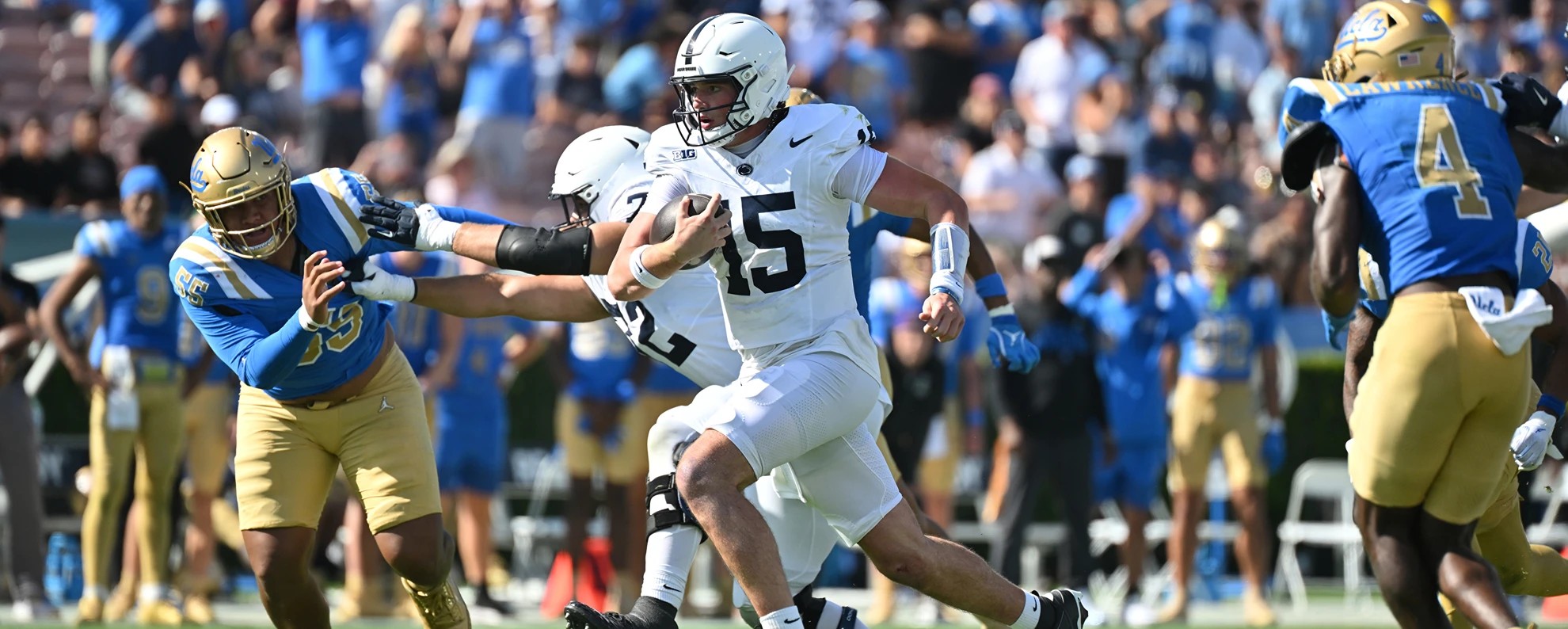
The “ground forces” of the Nittany Lions were truly in their own Heartbreak Crossroads last week. With just 157 net yards rushing, and 78 of those were from QB Drew Allar. Allar was a consensus top three QB prospect entering the season, and he has looked like it at times, however despite solid statistics, 64.7% completion percentage, 8 passing TDs with two interceptions and 192.6 passing per game, for 963 yards passing and 147 yards rushing in five games to date, he has not looked like a top 5 draft pick in 2025.
Command and Control: Leading Under Fire
Mission Command’s essence is trust, by empowering subordinates to act decisively within the commander’s plan. In combat, that means platoon leaders read terrain and seize opportunities; in football, it means coordinators adapting on the fly when the script crumbles.
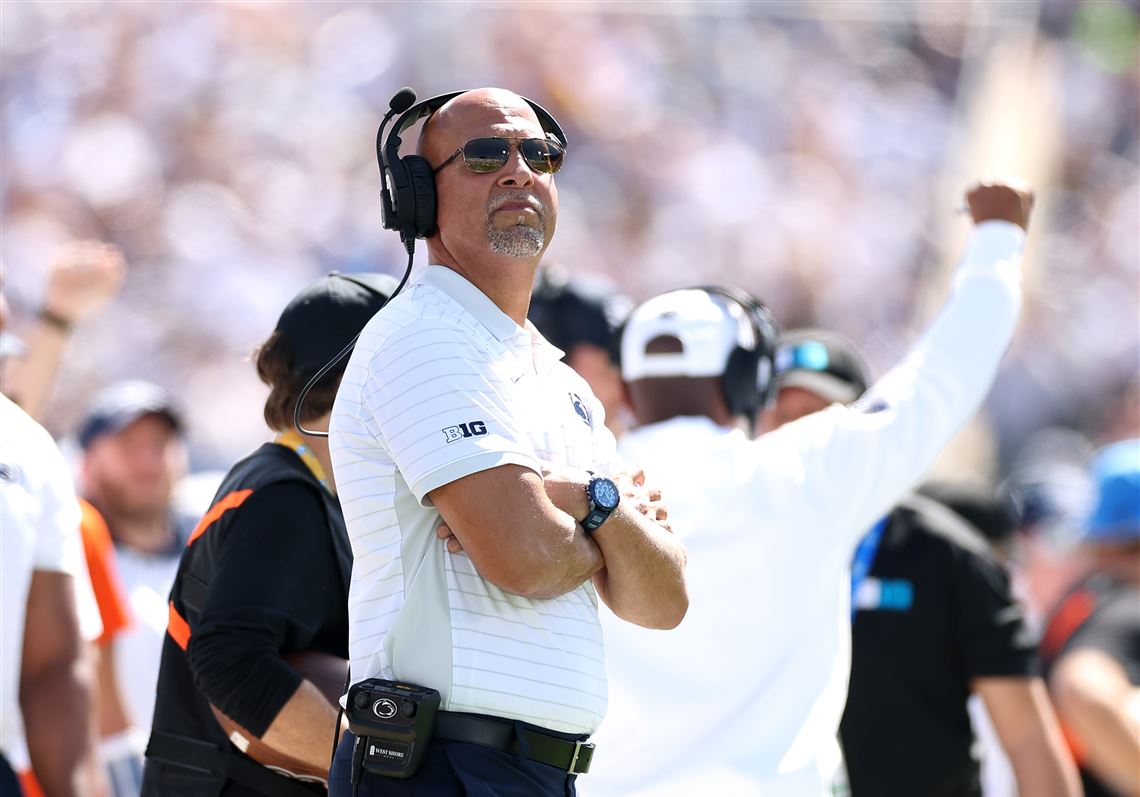
James Franklin’s challenge is calming his forces. He must steady a talented but brittle roster that’s shown an alarming tendency to fold under pressure. David Braun’s task is leadership. That means translating limited resources into coordinated execution. One coach must reassert control; the other must distribute it.
Don’t Lose The Forest For The Trees
Whoever manages that balance by visualization, direction, and leadership will determine whether this contest resembles a breakout through enemy lines or a slow-motion retreat through the woods. As was seen the morning of 16 December, as American soldiers finally made it to their temporary target, a forester’s house in the woods at Wahlerscheid, German ground. However, that same day, the German forces started the Battle of the Bulge. With this new German Offensive, the next day, the American forces gave back blood-soaked, hard-fought grounds.
This quick turnaround is why the intersection earned the name “Heartbreak Crossroads”. It was only on 1 February 1945, after the failure of the Battle of the Bulge, that Allied troops were able to re-conquer the grounds at Wahlerscheid.
The Final Situation Report
In the Battle of the Bulge, victory didn’t come from raw power but from the commanders who saw first, decided fastest, and trusted correctly. That’s FM 6-0 in action, and the same principle applies this weekend.
Penn State brings firepower; Northwestern brings patience. The question is which side can quiet the chaos. As every soldier and all Big Ten fans are aware, chaos always appears. Still, I think that, like the 3rd Battalion, the dogged defenders of Höfen, the winning team must overcome the odds. I see the beleaguered Nittany Lions prevailing 23-17.