

 NFL
NFL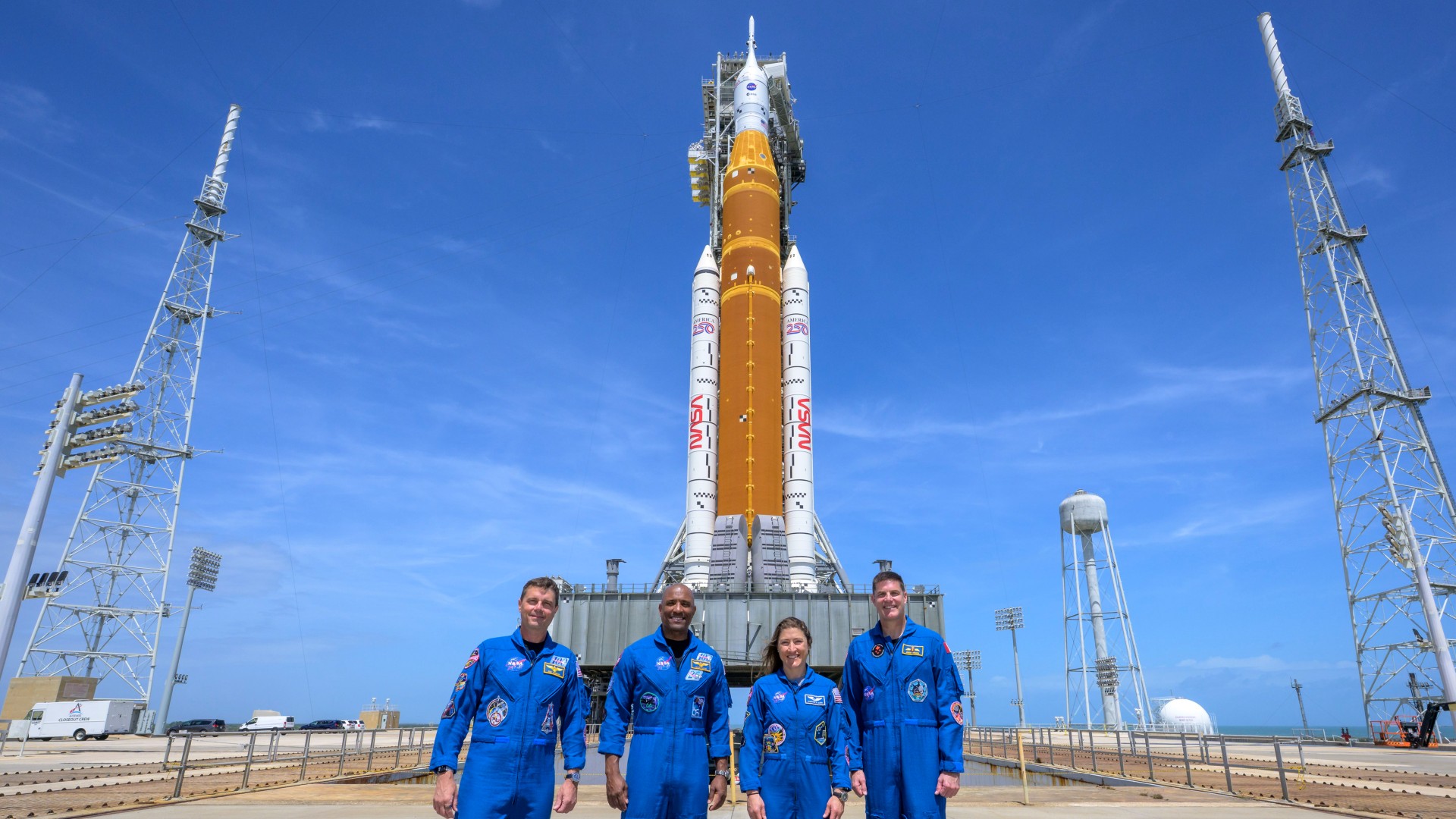
By: Courtney Walsh
Tomorrow, April 1, 2026, NASA will attempt a launch that marks a new chapter in human space exploration. At 6:24 p.m. EDT from Kennedy Space Center’s Launch Pad 39B, the powerful Space Launch System (SLS) rocket will lift off with the Orion spacecraft carrying four astronauts on Artemis II—the first crewed mission beyond low Earth orbit since the Apollo era. Though the Space Shuttle program retired in 2011, this SLS-Orion flight carries forward the spirit of reusable, heavy-lift human spaceflight that the shuttles pioneered for decades. It is a long-awaited step toward sustainable lunar presence and eventual Mars missions. That’s right kids MARS.
The U.S. space program’s journey has been one of big talk and heartbreaking setbacks. It began in the 1960s with President Kennedy’s challenge to land humans on the Moon. Project Mercury put the first American in space. Gemini perfected orbital rendezvous and spacewalks. Apollo delivered the impossible: Neil Armstrong and Buzz Aldrin’s “one small step” in July 1969. Six more landings followed, culminating with Apollo 17 in December 1972. Then the focus shifted. The Space Shuttle flew 135 missions from 1981 to 2011, building the International Space Station, launching the Hubble Space Telescope, and enabling groundbreaking science. But after the shuttles retired, America had no way to send astronauts beyond low Earth orbit. For more than 53 years—since Gene Cernan and Harrison Schmitt left the lunar surface in 1972—humanity has not returned to the Moon.
Artemis II changes that. The roughly 10-day mission will send NASA astronauts Reid Wiseman (commander), Victor Glover, and Christina Koch, along with Canadian Space Agency astronaut Jeremy Hansen, on a flyby that loops around the Moon and returns them safely to Earth. No landing is planned; instead, the crew will test Orion’s life-support systems, navigation, and heat-shield performance in deep space. They will travel farther from Earth than any humans in history—reaching nearly 253,000 miles at the mission’s peak. Data from this flight will pave the way for Artemis III, the first crewed lunar landing since Apollo, currently targeted for the late 2020s.
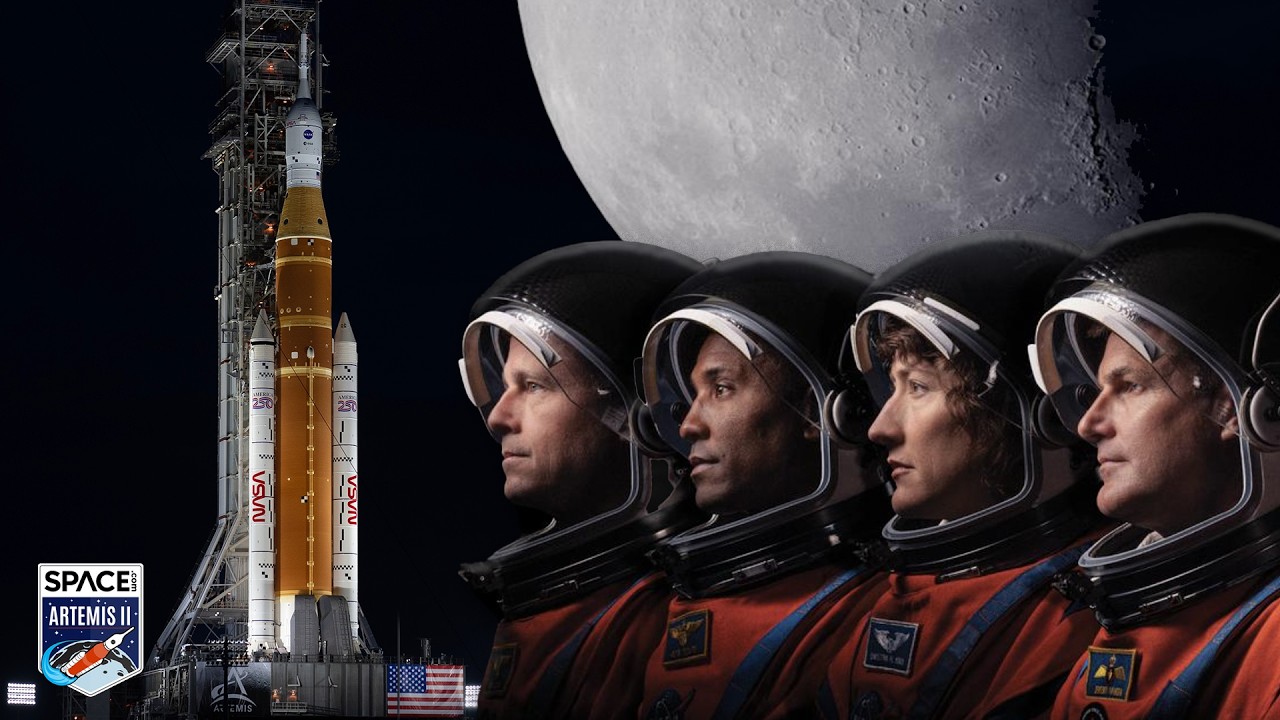
The mission also carries international and scientific weight. Canada’s contribution to the Orion spacecraft underscores growing global partnership in space. We can’t get rid of you can we Canada? The flight will gather vital engineering data while inspiring a new generation. For many young people like your girl, tomorrow’s launch will be their first live view of humans heading toward the Moon.
One fascinating aspect of these missions is how NASA chooses their names. The Apollo program drew from Greek mythology—Apollo was the god of the sun and prophecy—symbolizing humanity’s reach for new horizons. When NASA revived lunar ambitions under the Artemis program in 2017, it deliberately selected the name of Apollo’s twin sister, the Greek goddess of the Moon, the hunt, and wilderness.
The choice was poetic and purposeful: it honors the past while signaling a fresh era focused on sustainability, diversity, and long-term exploration. Early missions were called Exploration Mission-1 and -2 (EM-1 and EM-2). Once the Artemis branding took hold, they became Artemis I (the successful 2022 uncrewed test) and now Artemis II. Future flights will continue the sequential numbering—Artemis III, IV, and beyond—while individual spacecraft sometimes receive personal names chosen by crews. Orion itself is named after the hunter constellation, tying back to mythology. This blend of tradition, symbolism, and practicality helps NASA communicate complex programs to the public in memorable ways. For a nerd like myself these details matter, and add to what makes this so cool.
Tomorrow’s launch is more than a rocket ride. It is the end of a half-century gap and the beginning of humanity’s permanent return to the Moon. If all goes well, four astronauts will circle our nearest celestial neighbor, proving the systems that will one day support boots on the lunar surface and habitats for long-duration stays. The Space Shuttle era taught us how to live and work in space for weeks at a time. Artemis is teaching us how to go farther, stay longer, and dream bigger.
As the countdown clock ticks at Kennedy Space Center, millions will watch online and on television. The sky will light up with the glow of the most powerful rocket ever built by NASA. For a few precious minutes, the world will once again feel the thrill that gripped us in 1969. History is not just being remembered—it is being made. Godspeed Artemis to infinity and beyond baby!