

 NFL
NFL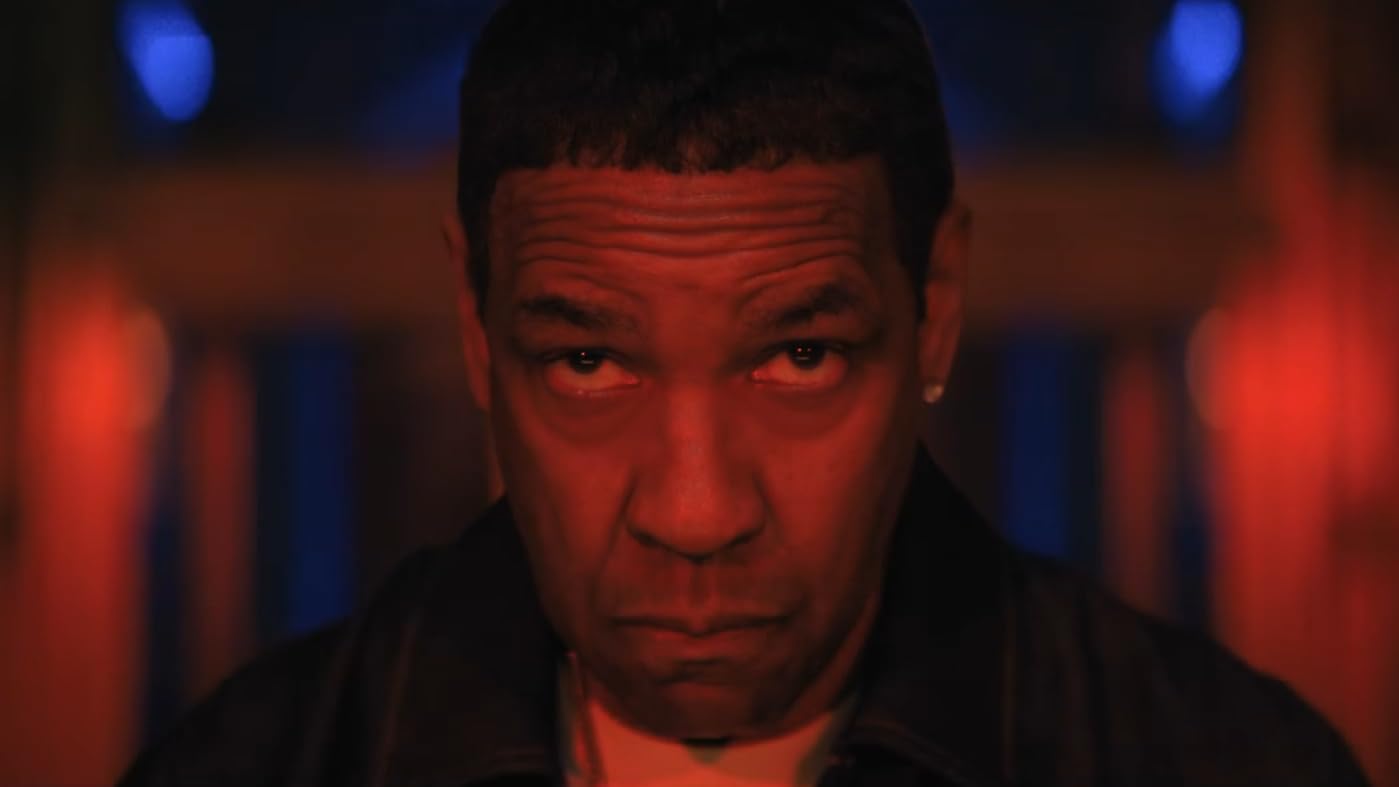
By: Matt Overton
DA TWENTY-FIFTH JOINT
I understand I’m jumping the gun on this retrospective by writing this review before writing the remainder of Spike Lee’s filmography. I promise the rest of those reviews are headed your way, but I just need to talk about Lee’s exciting new Joint. Stay on the lookout for the rest! Now on with the review.
Apple, A24, and 40 Acres and a Mule Filmworks, all thoroughly American companies, have come together for Spike Lee’s twenty-fifth feature film. Believe it or not, Highest 2 Lowest inspired not one, but two filmography marathons for me. Firstly, I had a desire to experience all of Master Kurosawa’s films because Spike was remaking my favorite Kurosawa picture, so why wouldn’t I sit through all thirty of those movies? Then came the marathon of Joints. In total, if we’re being honest, I felt the need to watch 44 movies in preparation for a single new release. Welcome to my brain.
Maybe he learned some lessons from Oldboy (2013) and Da Sweet Blood of Jesus, but thankfully Spike did not take the route of yet another cheap remake. Highest 2 Lowest is more a reimagining of Kurosawa’s classic takedown of class in post-war Japan, while maintaining some similarities in its story, structure, and themes. Placed in contemporary New York City, this movie is sort of interested in class disparity, but in a less pointed fashion. Instead, it focuses on the ills of our modern attention-based economy and how individuals can so easily be blinded by a fat stack of cash.
Denzel Washington steps in for the titan Toshiro Mifune. David King is no Kingo Gondo, but the two business executives do share some similar ethics. As the founder of Stackin’ Hits Records, King David, as he is also known, sports the best ears in the business and is well known for plucking gifted newcomers off the streets and turning them into Grammy winners. He’s in a quandary at the beginning of the film since he lost his CEO position, but King is making moves to take back a majority stake. Instead of obsessing over women’s shoes and their durability on the market, the business of this movie is all about music.
In his obscenely lavish penthouse home, King receives an anonymous phone call that his son has been abducted and is expected to cough up $17.5 million to get him home safe. After his son is found safe, it’s understood that the kidnappers nabbed King’s chauffeur’s son by mistake. The driver is played by Jeffrey Wright—who delivers the best performance in the film and one of my favorites of the year—and Paul is visibly shaken as he discovers the truth. With his life fully in his employer’s hands and wallet, Paul maintains a thin layer of composure while he does his best to remain cool. He’s constantly antagonized by the police during the investigation for having a prior, as if this man had something to do with his own son’s abduction.
Ironically, and very unfortunately, for a film about a titan of the music industry, this movie’s score leaves something to be desired. There’s a piano theme that’s used quite liberally throughout the whole runtime, which was more often distracting than it was emotionally effective. Once A$AP Rocky is properly introduced into the story, though, we get some of his original music worked into the score. His track “Trunks” becomes something of an anthem for his character, and the first time we hear it in earnest makes for one of the most memorable scenes. I only wish the filmmakers had worked in more of Rocky’s music because I love his work. There is a missed opportunity. Regardless, he shares a scene with Washington in the recording booth towards the end of the film that is one of my new favorite scenes out of Spike’s entire filmography. The way this rapper turned actor managed to stand toe to toe with Da Goat in this scene was breathtaking. I felt like I was watching history.
Remember back when this movie was first announced and every outlet was reporting the big news that Spike Lee was working with A$AP Rocky AND Ice Spice? Well, the former turned out to be an exciting actor whom I loved watching perform, while the latter had all of one scene with about 27 seconds of screen time. Washington does what any Goat does and delivers an iconic performance while bouncing off his co-stars with ease. He and Wright’s chemistry is some of the best I’ve seen in any Joint, and I am ecstatic that Spike finally recruited Wright into his sphere of influence. He seemed right at home as he traded heated barbs with the police in one breath, then joked around with Washington the next.
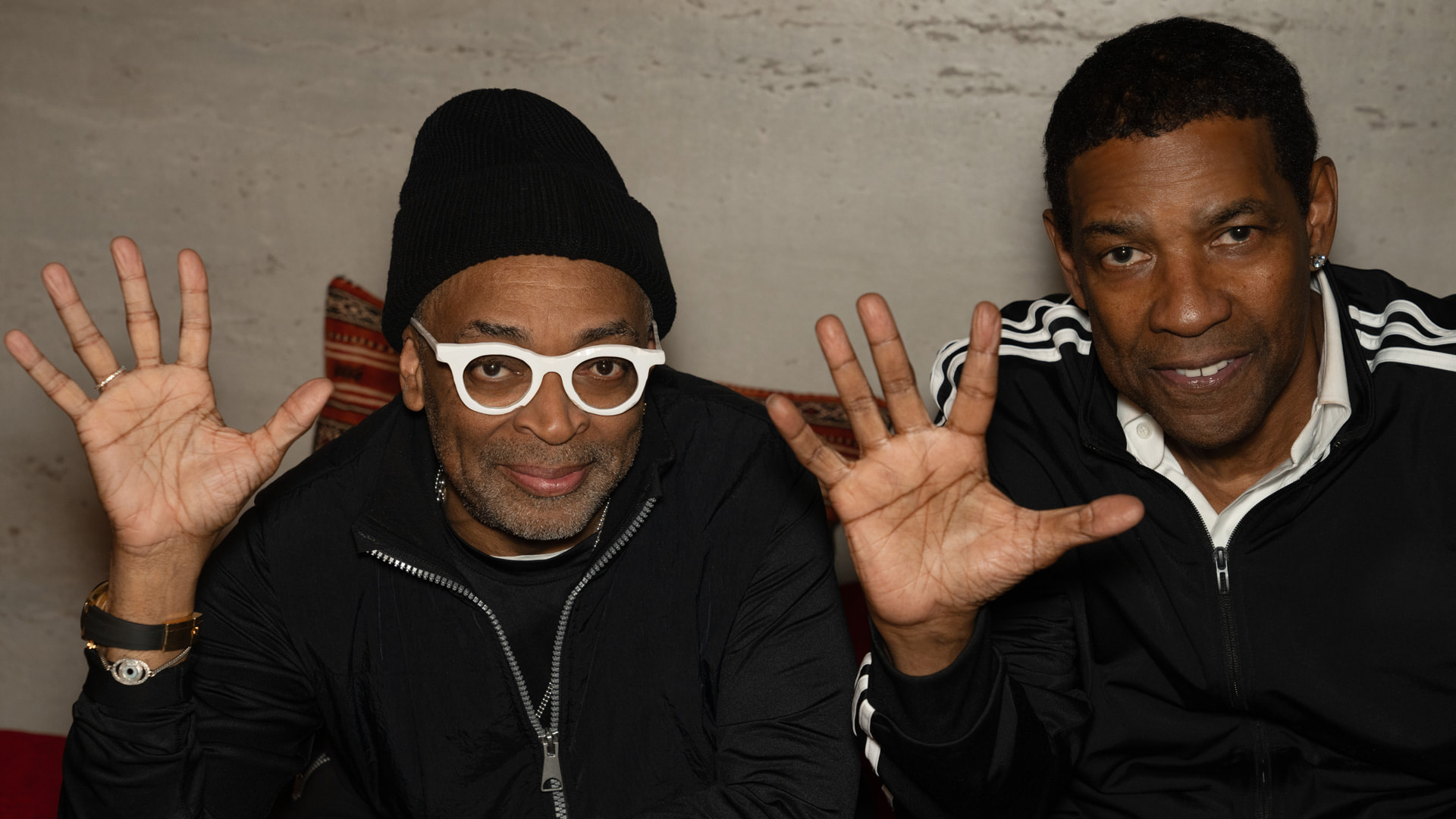
Highest 2 Lowest is a mixed bag if I’ve ever seen one. Obviously, all of my unnecessary preparation left me with some high expectations, and the premiere was dated as a historic moment. I actually came down with severe food poisoning the day of its limited theatrical release, hence my delayed review, but getting to experience this in theaters late was such a blessing. Highest 2 Lowest doesn’t quite reach the same pinnacle as Spike’s last two pictures, but this is far and away his best remake. With a legendary performance by Jeffrey Wright, the exciting reunion of Spike/Denzel after nineteen years apart, and the opportunity to watch A$AP Rocky act and hear his new, original music, Highest 2 Lowest is a messy cinematic package that offers a good time, nonetheless. Plus, Spike directs a mini music video for the climax that is worth the price of admission alone.