
 NFL
NFL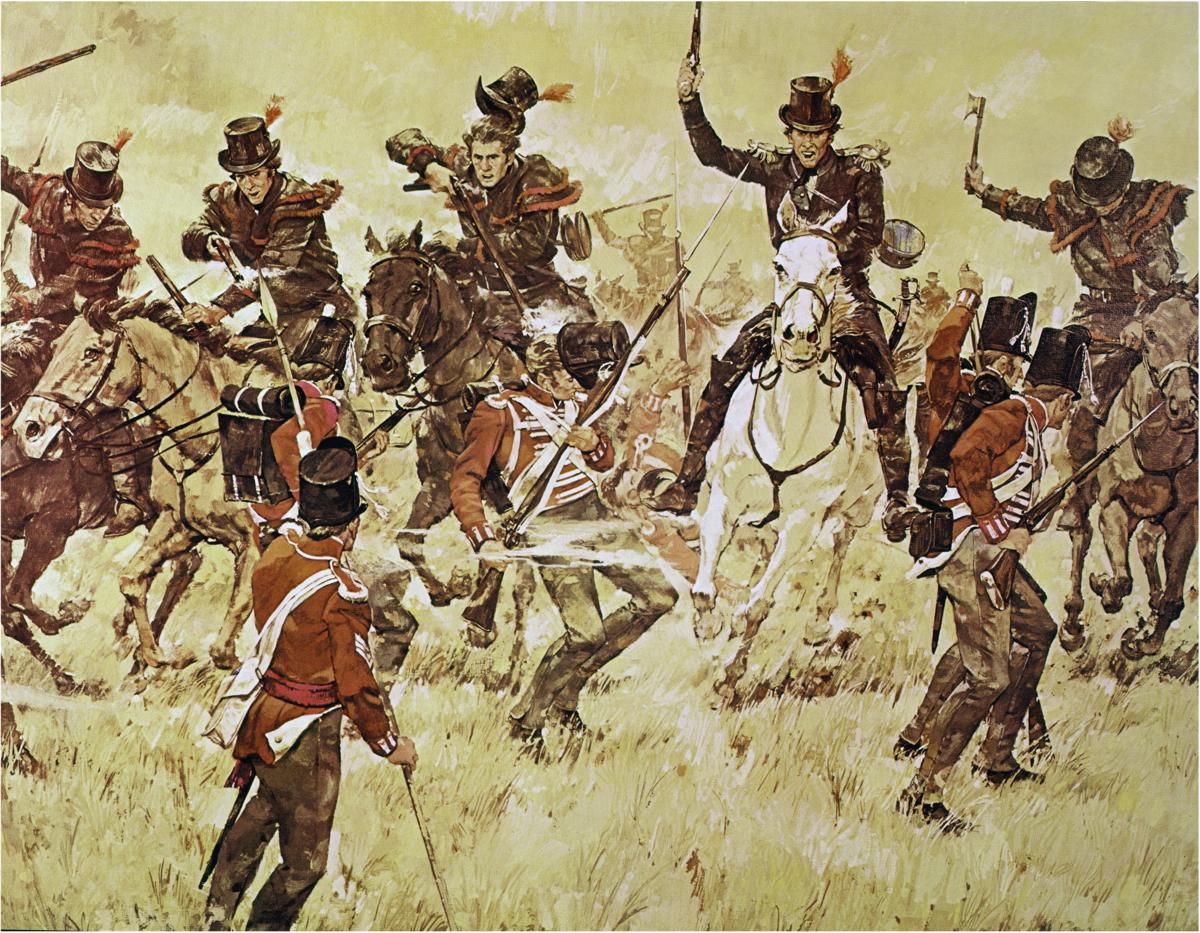
By Bill Carroll
As winter debarked, William Henry Harrison began his campaign and ordered his second in command, General James Winchester, to the Maumee Rapids. Harrison strictly forbade Winchester from advancing beyond the Rapids; however, with reports of a British presence at Frenchtown, Winchester ordered Lt. Col. William Lewis with the 17th U.S. Infantry, elements of the 19th U.S. Infantry, and Kentucky militia north. In January of 1813, by the frozen banks of the River Raisin, the difference between advantage and control revealed itself with unforgiving clarity. The American line held once. Ground was taken. Confidence flourished. However, it did not hold twice.
What collapsed at Frenchtown was command and communication, but not courage. Leadership structures were strained, exposing assumptions, and momentum was mistaken for security. The words that followed, “Remember the Raisin, In ” were not an elegy. They were a lamentation.
For Northwestern and Central Michigan Bowl games occupy a similar terrain. They do not reward the team that arrives convinced. They reward the team that remains coherent and cohesive after first contact, and intact when the second wave arrives.
January 1813, along the frozen banks of the River Raisin in Michigan Territory, American forces learned a brutal lesson. Initial success bred overconfidence. Reinforcements were underestimated. Discipline fractured. What followed was defeat, surrender, and a massacre that shocked the young nation and ignited a rallying cry that echoed for months: “Remember the Raisin!”
The Battle of Frenchtown was not lost because the Americans lacked courage. They lost by mistaking momentum for security and familiarity for control, a lesson that could travel well to Ford Field. The Chippewas had plenty of courage and fight, but back-to-back turnovers produced a 21-0 deficit that they were never able to surmount.
On Friday, December 26, Northwestern closed its 2025 campaign against Central Michigan in the GameAbove Sports Bowl. It is a game of posture more than pedigree, structure more than star power. Bowl games, like frontier battles, expose teams that panic and reward those who remain disciplined after early success.
For Northwestern, this is not a meeting of familiarity. It is a test of posture, one program measuring its foundation, the other probing for fracture. History frames the stakes. Execution decides the afternoon.
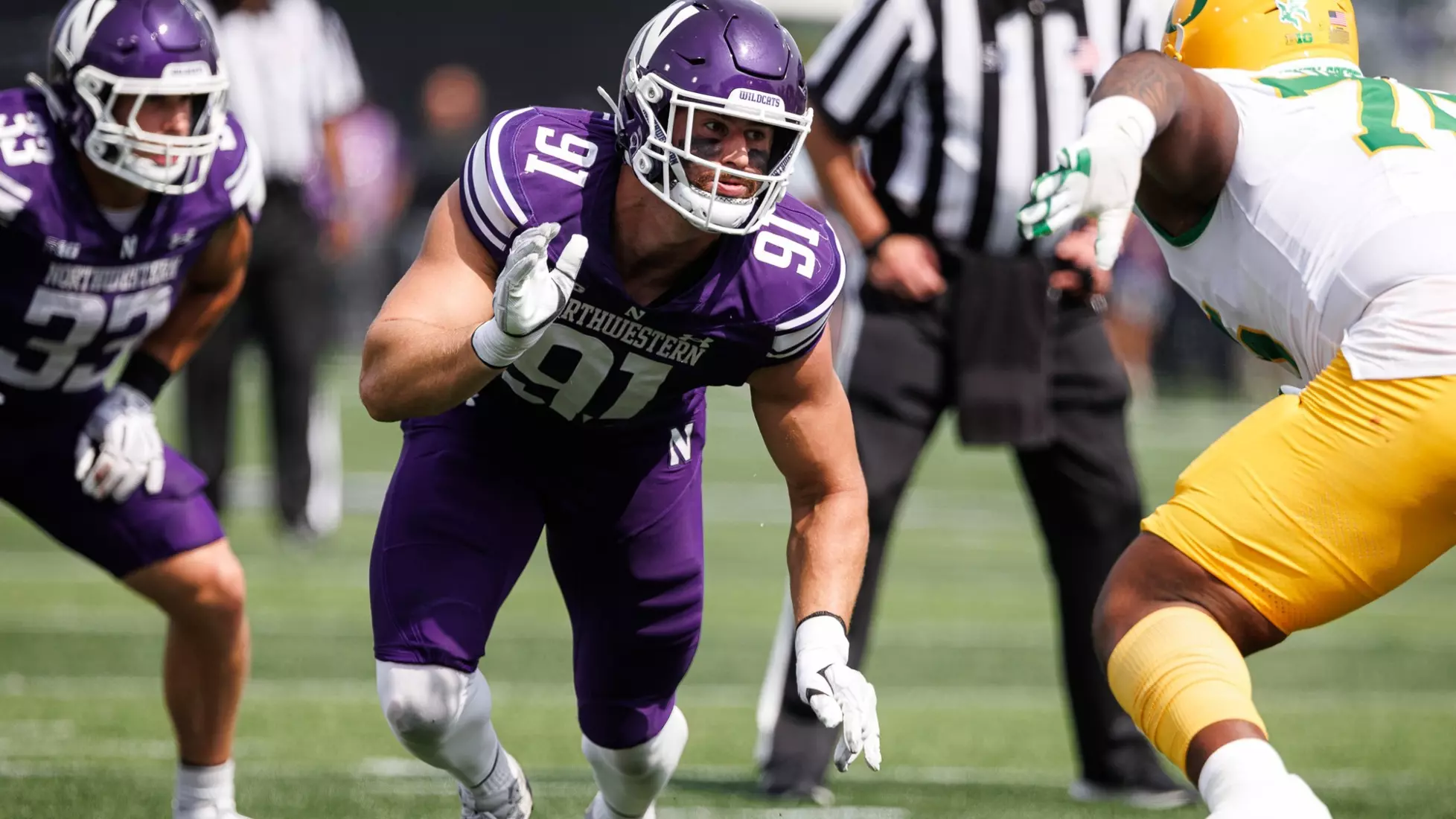
Situational Football: Xs and Os
3rd-and-Medium (3–5 Yards)
WR LT LG C RG RT WR
| X X X X X |
RB Q
Northwestern Objective:
– Inside zone / quick-game pairing
– Force linebackers to declare early
– Convert without exposing protection
Central Michigan Counter:
– Four-man rush integrity
– Robber safety reading the quarterback
– Tackle before leverage turns vertical
Red Zone (Inside the 20)
WR LT LG C RG RT TE
| X X X X X |
RB Q
Northwestern Objective:
– Condensed formations
– Play-action built off run credibility
– No negative plays, no wasted downs
Central Michigan Counter:
– Tight windows, disciplined eyes
– Edges set before pursuit
– Force throws late and flat
Backed-Up Offense (Own 5–10 Yard Line)
WR LT LG C RG RT WR
| X X X X X |
RB Q
Northwestern Objective:
– One clean first down
– Field position before ambition
– Protect the game state
Central Michigan Counter:
– Pocket compression without blitzing
– Collapse angles, not gaps
– Turn caution into pressure
This is where “Remember the Raisin” becomes instruction rather than inscription. Northwestern’s current staff has rebuilt the program around restraint—depth before display, structure before speed, repetition before rhetoric. The lesson is not about avoiding defeat. It is about surviving success.
Like Harrison’s army after Frenchtown, progress demanded continuity and command. This bowl was not a finish line. It could be a confirmation. A measure of whether the foundation holds when pressure returns and whether the program is prepared not just to advance, but to endure.
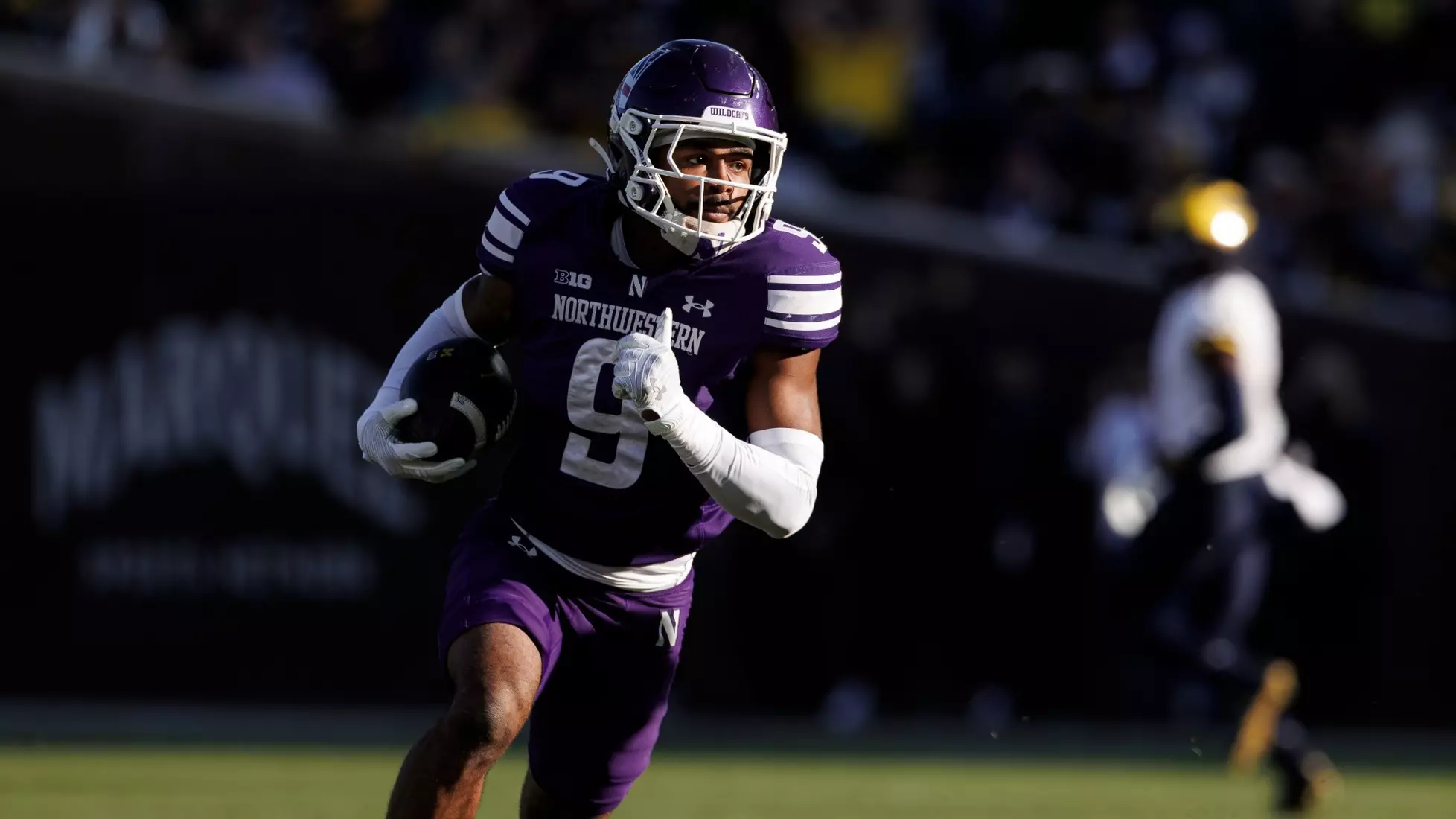
Recap: Northwestern — Central Michigan (GameAbove Sports Bowl)
Perimeter first. Northwestern owned the hidden yards, returns contained, punts managed, and field position protected. That is the River Raisin doctrine applied: shut the gates before you take the hill.
Counter expected. When Central Michigan adjusted coverage and squeezed spacing, Northwestern answered with rhythm calls, outs and benches to the boundary, a change‑up screen, then the decisive strike to Wilde. No panic. No drift. Answers built in.
Assumptions removed. Northwestern resisted the seductive shot when leverage said no, then took the clean one when leverage said yes: Wilde on a 4‑yard cross for the first touchdown and a red‑zone fade versus single coverage for the second. That is the football version of The Thames: a targeted charge at the right time after the perimeter is secured.
Scoreboard aside, the cadence was the real victory. Short, precise, repeatable.
Three hinge sequences (Xs & Os, image‑driven doctrine)
- 3rd‑and‑Medium – Stick/Option vs 2‑High
Motion to stack; QB reads corner leverage; TE sits vs zone/pivots vs man; ball out on time for first downs.
Why it mattered: kept the Wildcats ahead of the sticks, preventing the “overextended lines” moment that doomed River Raisin. - Red Zone – Play‑Action Corner + Over
Duo sells; corner route outside the cloud; over route occupies the hook/curl; throw only if the window is honest.
Why it mattered: turned a good drive into points without inviting a sudden counter. - Two‑Minute – Out/Bench + Slot Fade
Own the boundary; stop the clock with outs; take bench into soft; escalate to slot fade only on mismatch.
Why it mattered: closed the door on any late swing, keeping the game in‑bounds and under control.
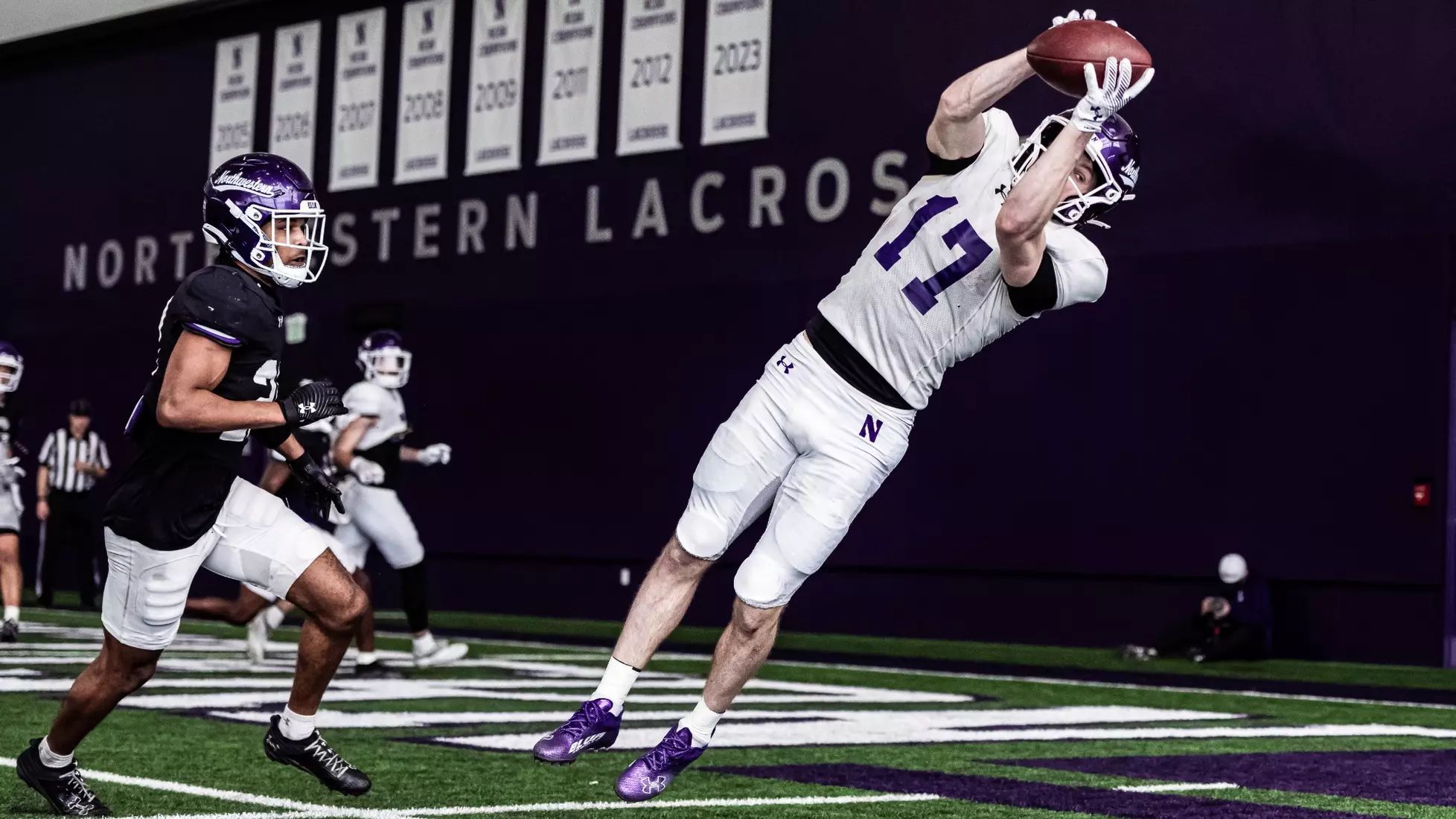
Griffin Wilde’s day: a Thames‑like charge, at the right moment
Griffin Wilde’s stat line, 10/97/2, reads like a controlled surge rather than a headlong rush. The first touchdown arrived on structure (crossing route into space); the second, on a clean isolation look (fade versus man). Each score followed the doctrine: perimeter secured, counter expected, assumption removed. No freelancing, no loss of shape.
Program trajectory: continuity over mood
Under David Braun, this is the build: layered roles, portal triage, and rehearsed situations that travel to neutral sites. “Remember the Raisin” for Northwestern means to keep establishing and sharpening institutional habits, like protecting field position, stacking small edges, and assuming nothing until the clock hits zero. That is how a season’s arc becomes a program’s identity (Northwestern bio & 2023–25 context, Saturday Tradition profile).
Bottom line
- QB Preston Stone: 19-of-31, 226 yards, 3TDs and only sacked once.
- WR Griffin Wilde: 10 catches, 92 yards, 2 TDs.
-
Hayden Eligon II: 3 catches, 45 yards.
- RB Caleb Komolafe: 15 carries, 55 yards, TD.
- CB Braden Turner: 6 tackles, INT.
- DL Aidan Hubbard: 3 sacks.
The Northwestern Wildcats forced an interception and three fumbles, and the River Raisin taught the cost of giving the opponent an advantage. The Battle of Moraviantown taught timing and resolve after the perimeter is secure. Northwestern’s bowl win applied both lessons: own the perimeter, carry answers, strike only when the window is honest. With Wilde as the tip of the spear and the rest of the unit in disciplined alignment, the Northwestern Wildcats left with the trophy and a blueprint that scales to the off‑season.