
 NFL
NFL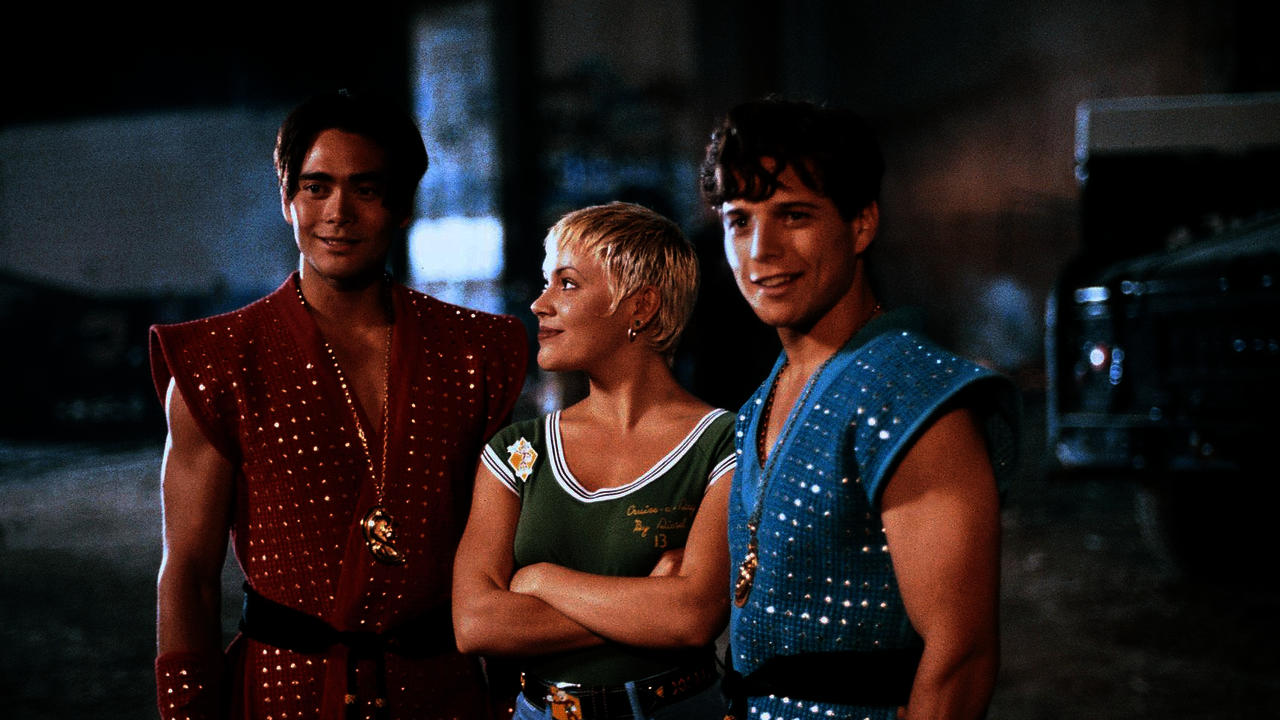
By: Lennoxx
It’s now time to talk about the movie Double Dragon, which the game inspired. Double Dragon was released in 1994 through the production companies of Imperial Entertainment Group and Scanbox, distributed by Gramercy Pictures, and directed by James Yukich. Yukich’s credits before taking on the directing duties of Double Dragon included music videos of That’s All and Invisible Touch by the band Genesis. Yukich summarized his approach to the film as follows: “Our characters are like normal kids – three kids on an adventure, so we didn’t want to make something that kids would almost be too afraid to see. He focused on adding humor and giving it a more light-hearted vein than that of the game series. With that being his approach, the film still managed to garner a PG-13 rating due to its dark undertones and depiction of martial arts violence. The flick itself tried to capture the look of the games themselves with the city in the film styled as a mix between a post-apocalyptic and 80s/90s punk environment, which takes place in an earthquake-crippled Los Angeles in 2007 and is renamed “New Angeles”. The city remains in shambles after the federal government fails to help restore order or rebuild. From this neglect, crime runs rampant and leads to the rise of Koga Shuko, a crime lord and businessman. Shuko has a desire to obtain a magical and powerful medallion called the Double Dragon, which has been split in two. He obtains one half and orders his henchmen to find the other half. Meanwhile, two brothers, Jimmy and Billy Lee, along with their adoptive mother Satori Imada, are accosted by gang members but escape with the help of a vigilante group led by their friend Marian Delario. Jimmy and Billy learn about the Double Dragon itself, and its power, and that they are, in fact, connected to it through Satori, who possesses the second half of the medallion. The pair, along with faithful and unexpected allies, must find a way to collect and protect both pieces of the Double Dragon to ensure that evil doesn’t triumph. The movie itself took from the source material, like the main protagonists and the backdrop of a crippled city, but as far as other characters go, it took just a few from the game series. Three to be exact; 2 which were antagonists and the other a protagonist, who I will talk about now.
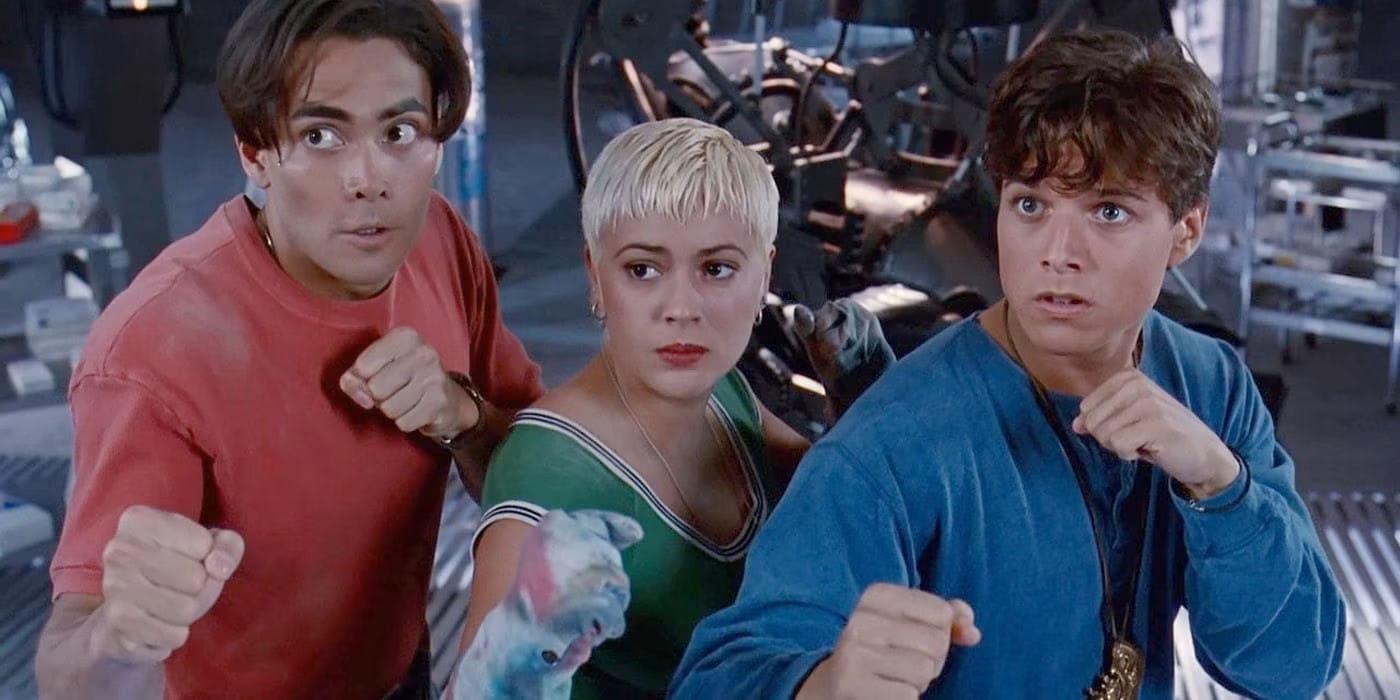
First, we have the protagonist (whom I previously mentioned), known only as Marian (sometimes renamed Marion) in the game series. Marian is Billy Lee‘s girlfriend within the game series and a part-time martial arts instructor at his and his brother‘s dojo, who is usually kidnapped and held hostage by each title’s main antagonistic force (mainly by the Black Warriors criminal gang), setting off the events of several games in the franchise. Unlike the game series version, Marian in the movie is merely a friend and not a love interest, plus she’s the leader of a vigilante group known as the Power Corps.
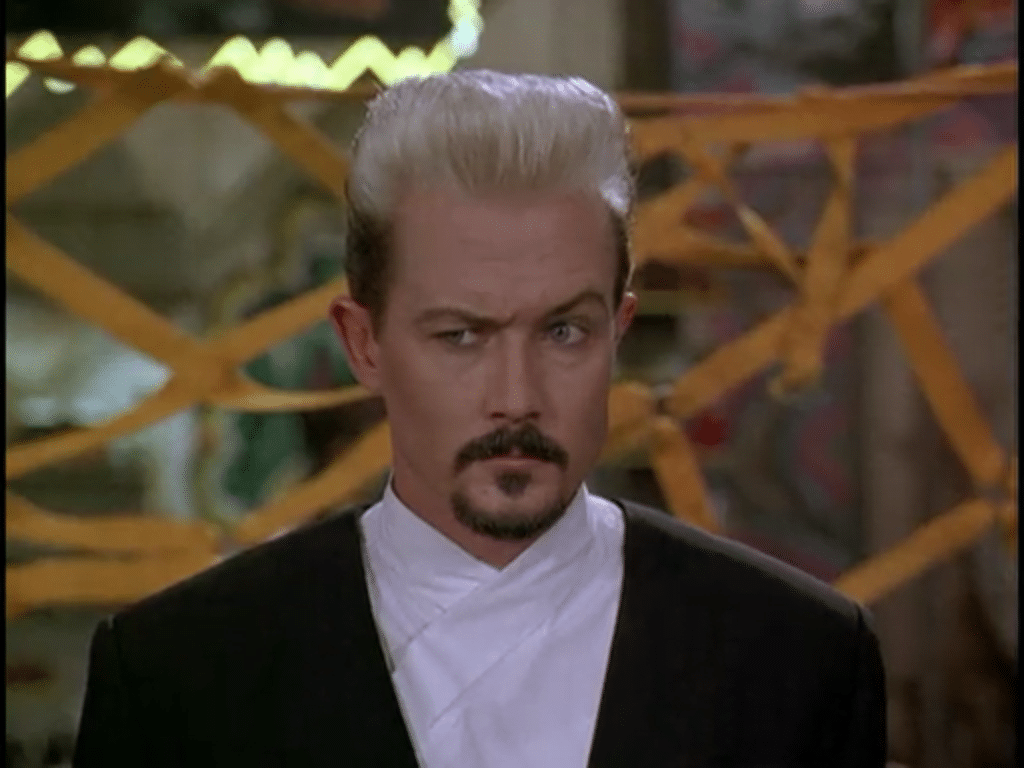
The next character featured in the movie from the game series was Linda. In the original game, Linda was the iconic whip-toting blonde-haired female member of the Black Warriors street gang and proved to be a worthy adversary. In the sequel Double Dragon II: The Revenge, Linda sported a punk look and wore a blue one-piece suit with her head shaved in a mohawk style with (possibly dyed) red hair, and blue face paint around her eyes. The movie version of Linda was known as Linda Lash, who also toted a whip and served as Shuko’s henchwoman. In the movie, she had long blonde hair like the character from the original Double Dragon game. Lastly, we have another villain, a rather popular one known as Abobo. The brutish force of Abobo is a classic villain from the Double Dragon series and has been cracking skulls since the beginning. He usually served either as a miniboss, the end boss of an area, or, on a few occasions, even as a minor antagonist. He is normally depicted as a shirtless, tall, and bald strongman. The film’s take on Abobo went a little further than just a strongman enemy. In the film, Abobo was known as Bo Abobo, the leader of a Mohawk gang that also works for Shuko. He eventually gets mutated with submolecular steroids into a hulking, brutish monster by Shuko due to his failures. Abobo later reforms, though, and in turn helps the Lee brothers fight Shuko.
In conclusion, critics and moviegoers had various opinions, with critics calling the New Angeles backdrop imaginative. Stephen Holden of the New York Times called it “a movie of frantic action and clever special effects” with “jumpy nonstop energy that overrides the script’s incongruities and the amateurish performances. Unfortunately, that was one of the very few somewhat positive reviews the flick would receive. Reviewbiquity gave the film one out of five stars, stating the movie “won’t satisfy even the most fervent of fans”. As of now, according to Rotten Tomatoes, it received a negative score of 12% from 17 reviews, with the consensus: “Double Dragon‘s clever use of special effects cannot mask the film’s overly simplistic storyline and cheesy dialogue”. Making it one of the lowest-rated video game movie adaptations of all time. An achievement shared by the previous year’s movie adaptation of Super Mario Bros., Like Super Mario Bros., Double Dragon the movie failed critically and financially, deterring hopes for a sequel, but ultimately didn’t stop filmmakers from continuing to make films based on video games.