
 NFL
NFL
By Bill Carroll
How Do You Penetrate Fangio’s Defensive Fog of War?
The Fangio defenses are aggressive, deceptive, flexible, gap-sound, and restrictive of explosive plays. However, they are not impregnable.
The Chiefs Must Reapproach, Resupply and Retool
The Chiefs announced that they signed 11 players to reserve/future contracts after Sunday’s loss in the Super Bowl. Including quarterback Chris Oladokun, wide receivers Jason Brownlee, Justyn Ross and Tyquan Thornton, tight end Baylor Cupp, tackle Chukwuebuka Godrick, defensive linemen Siaki Ika and Fabien Lovett Sr., cornerbacks Darius Rush and Eric Scott Jr., and safety Deon Bush, this is concurrent with announcing that seven players who were part of the Chiefs practice squad last season, have not been offered contracts. They are: linebackers Swayze Bozeman and Cole Christiansen, tight end Anthony Firsker, running back Keontay Ingram, cornerbacks Nic Jones and Steven Nelson, and wide receiver Montrell Washington. Each is an unrestricted free agent and may sign with any team.
The Chiefs wrapped up a virtual ho-hum season at 15-2 and renewed their booking to their fourth Super Bowl in five years because they did. With Patrick Mahomes at QB, they’re nearly on autopilot to contention. But they’ve got some decisions to make. Henry Louis “Trey” Smith III, Hollywood Brown, and D.J. Humphries are all in free-agent limbo, and those contracts won’t sign themselves.
In 2019, as the Chiefs were assembling the core of their current near-dynasty, Vic Fangio took the reins as head coach of the Broncos, bringing his defensive chops to a struggling team. The results? Solid, if unspectacular: the defense was average against the run and above average against the pass. Against the Chiefs, however, it was a mixed bag. The first matchup was a 30-6 blowout, though 7 points came from a fumble return, meaning Fangio’s defense allowed 23 points. The second meeting showed improvement, holding Kansas City to 23 points. Remember, this was prime Mahomes, paired with Tyreek Hill and peak Travis Kelce. Over the two games, Mahomes threw 3 touchdowns, and 1 INT, and didn’t even bother finishing the first game because it was already over.
In 2020, Fangio’s defense faced Kansas City twice again. The first meeting was rough. There were 43 points allowed, but context is everything: a pick-six and a 102-yard kickoff return accounted for 14 points. Adjusted for defensive scoring, they allowed 29 points. Mahomes tossed just 1 TD before sitting out the garbage time. The second game was tighter: a 22-16 loss. Mahomes put up 318 yards on 40 attempts but managed only 1 TD. Fangio’s defense bent, but didn’t break (much).
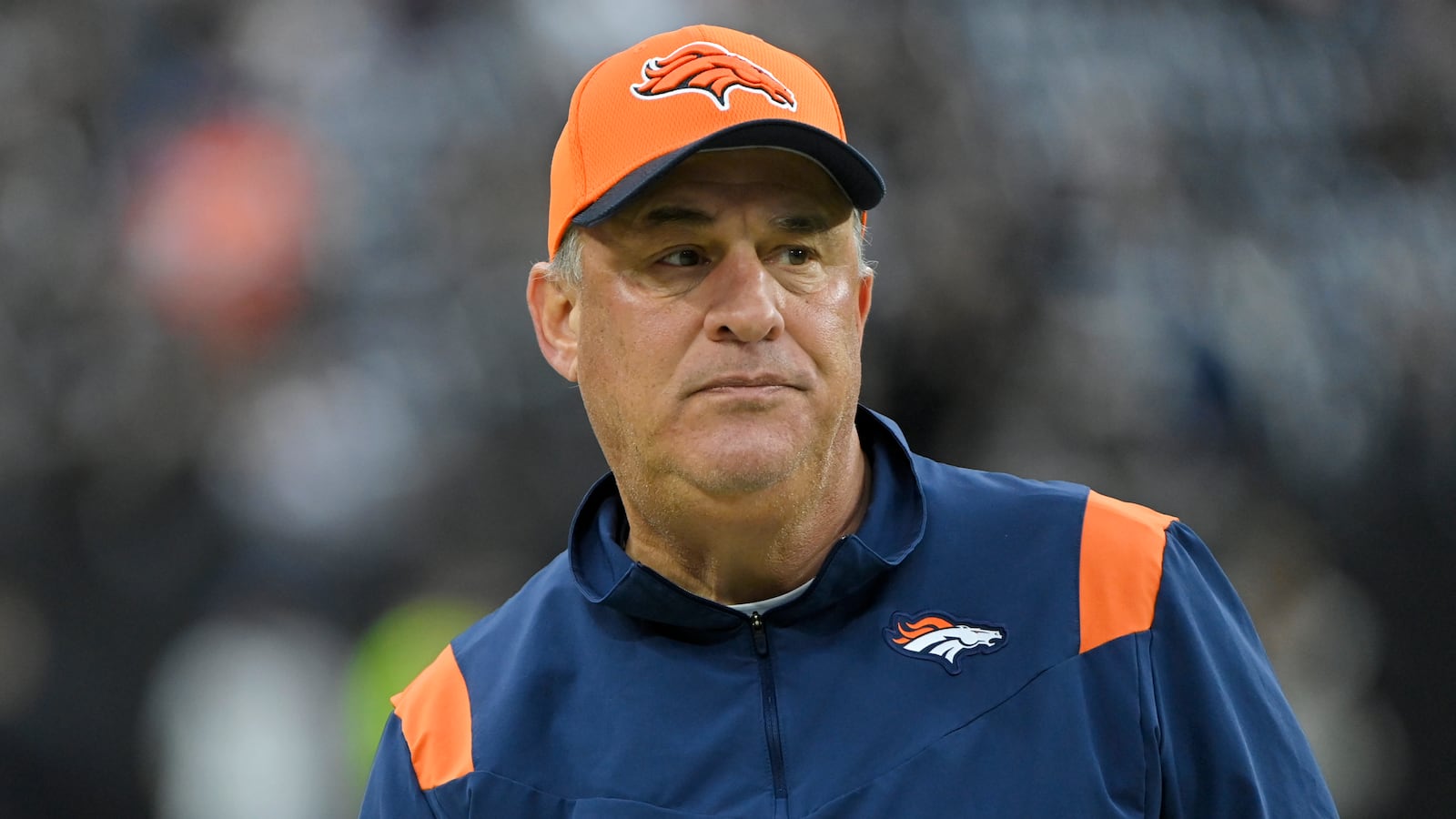
By 2021, Fangio’s final year in Denver, the Chiefs matchups were more competitive. In their first meeting, the Broncos lost 22-9, but Mahomes looked mortal, throwing for 184 yards, and 1 INT. The second game was a nail-biter, a 28-24 loss where Mahomes threw for 270 yards, 2 touchdowns, and no picks. Notably, one of Kansas City’s scores came from a defensive fumble return, so truly, the Broncos’ defense gave up just 21 points.
Fast-forward to 2023, and Fangio was back at it as the Dolphins’ defensive coordinator. His defense clashed with the Chiefs twice. In the first game, a 21-14 loss, Miami’s injury-riddled defense held Mahomes to just 185 yards and 2 touchdowns, with 7 points coming from, you guessed it, a fumble return. The rematch in the Wild Card round wasn’t as kind: a 26-6 drubbing where Mahomes threw for 262 yards and 1 TD, while Isiah Pacheco ran circles around a porous interior defense.
The Actual Factual
Fangio consistently confuses opponents’ offensive coordinators. He fits his formations and schemes to his personnel. Fangio’s defenses have rarely been stacked with elite talent, yet they consistently kept Mahomes and Andy Reid’s offensive machine to an average of 22 points per game. Sure, the Chiefs’ weapons have thinned over time, but Fangio’s defenses have since grown more sophisticated.
What Makes Fangio’s Scheme Go?
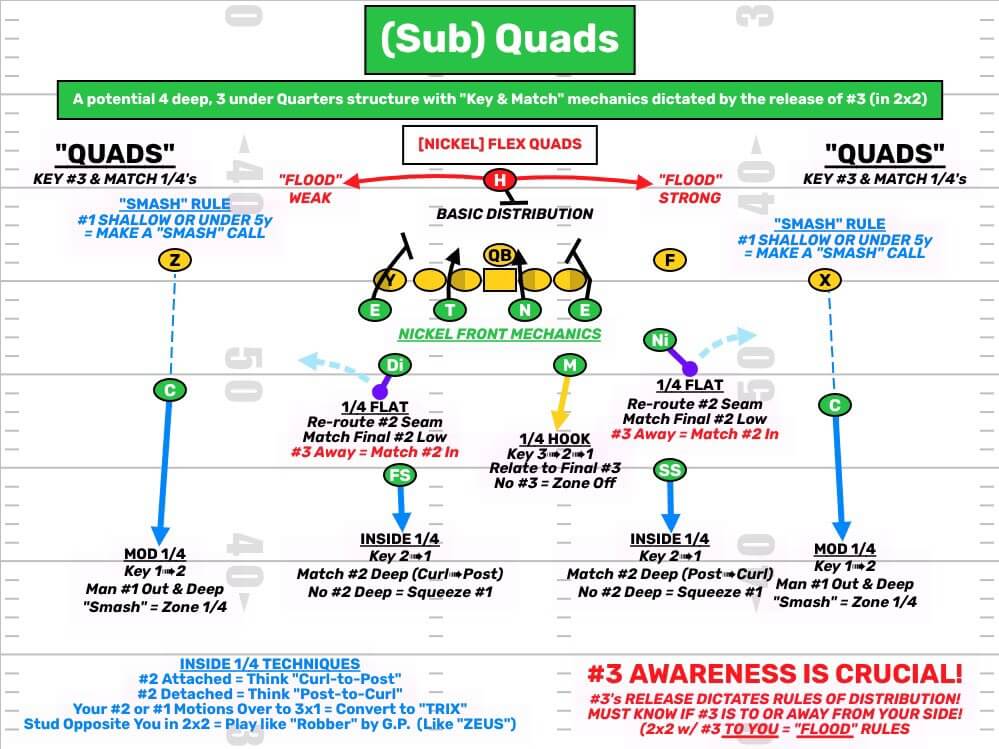
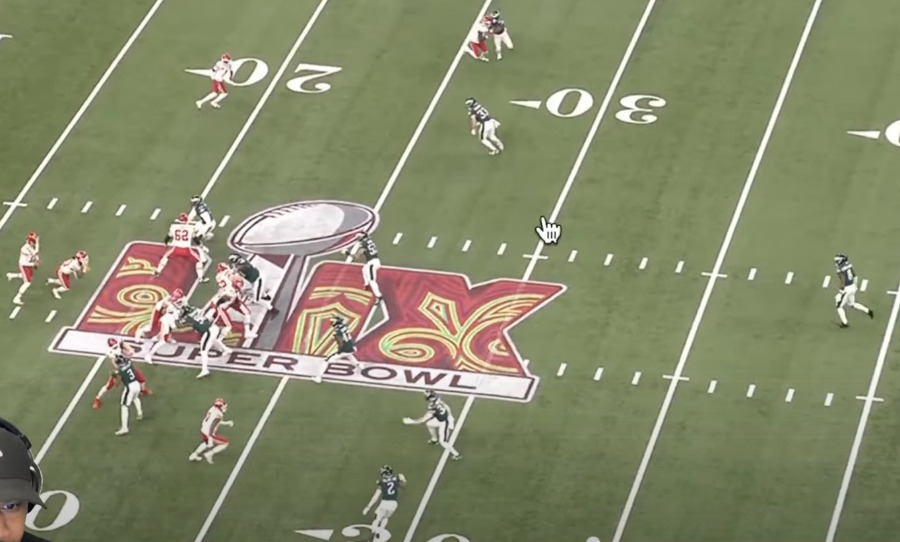
Fangio’s defensive philosophy revolves around two high shells, flexibility, and adaptability. The goal? Make quarterbacks squirm by disguising coverages and forcing post-snap reads. His approach isn’t just about limiting big plays; instead, they seek to dictate terms. Here’s a breakdown:
-
Cover 3 / Cover 9
Fangio’s version of Cover 3 (or Cover 9, if you want to sound fancy) rotates the weak-side safety into an underneath role, keeping the Nickel defender aligned to the passing strength. It’s calculated chaos designed to keep offenses guessing. Cooper M. “White Chocolate” DeJean, is nearly ideal for the nickel/slot defender in the Fangio scheme. He is an elite athlete, with a 6’0½” and 203-pound frame. He has exceptional instincts, his skull-set allows him to cover running backs, tight ends, and wide receivers with equal aplomb.
Vía @YouTube -
Wide-9
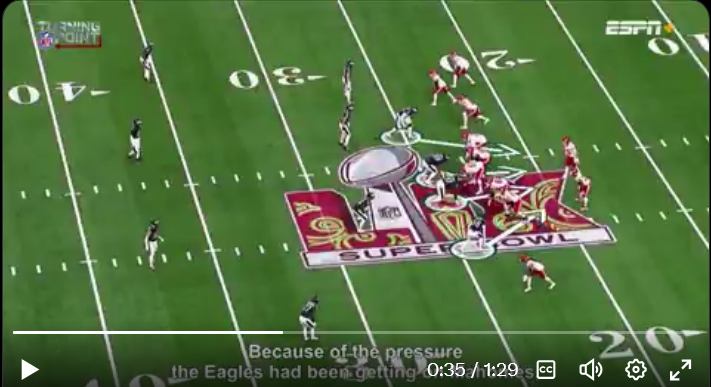
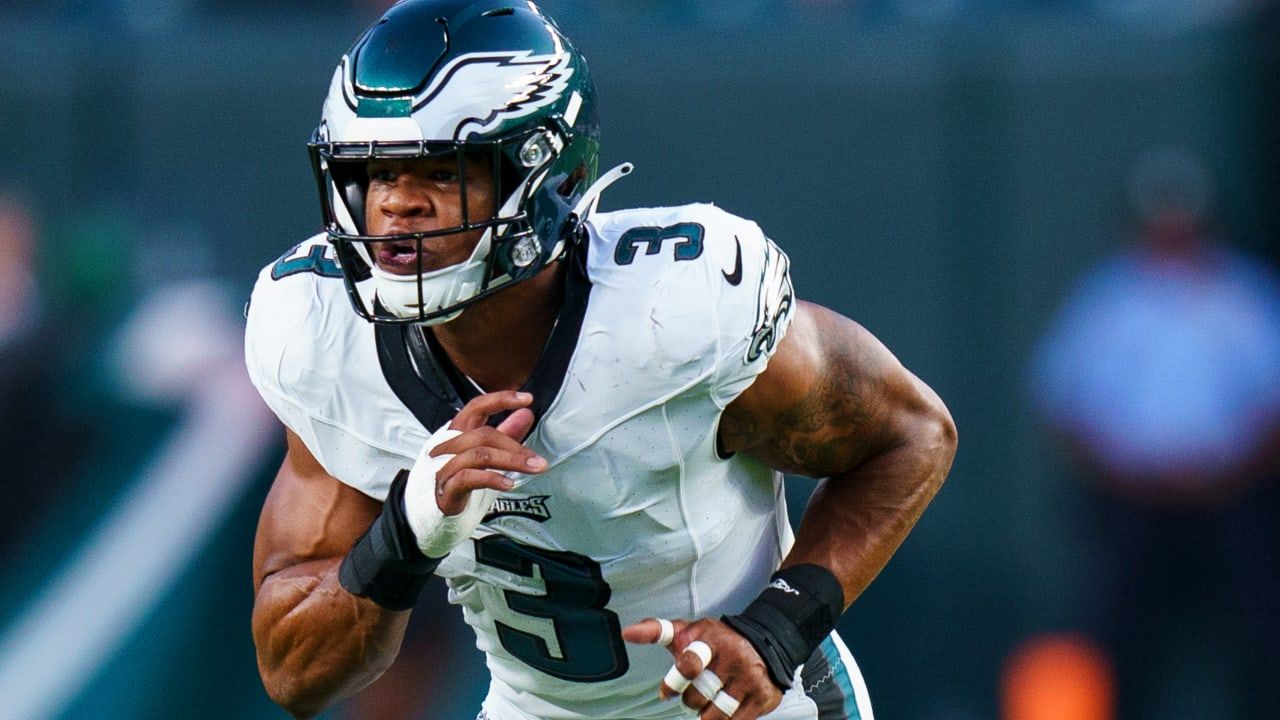
Fangio’s pass rushers often line up wide, gunning straight for the quarterback. Simple, aggressive, and disruptive. This is ideal for Nolan Sental Smith Jr. At 6’2 ¼’ 238 he ran a 4.39 40 with a 41 ½” vertical at the NFL combine. On the surface, he may seem a “Tankete.” However, he negates his lack of bulk when he converts his rare speed to kinetic power, he is an M1A2 Abrams. He can set formidable edges as well as flatten and pursue.
Photograph via Surprise Sports
Bottom Line
Fangio doesn’t just call a defense, he calibrates and orchestrates it. With improvisation flexibility, within a defined structure. He has a knack for making even elite offenses uncomfortable, his schemes demand respect. If you’re going to beat a Fangio defense, you’ll have to earn it yard by yard. In the fourth and final portion, I will propose ways to gainsay the Fangio defense.