
 NFL
NFL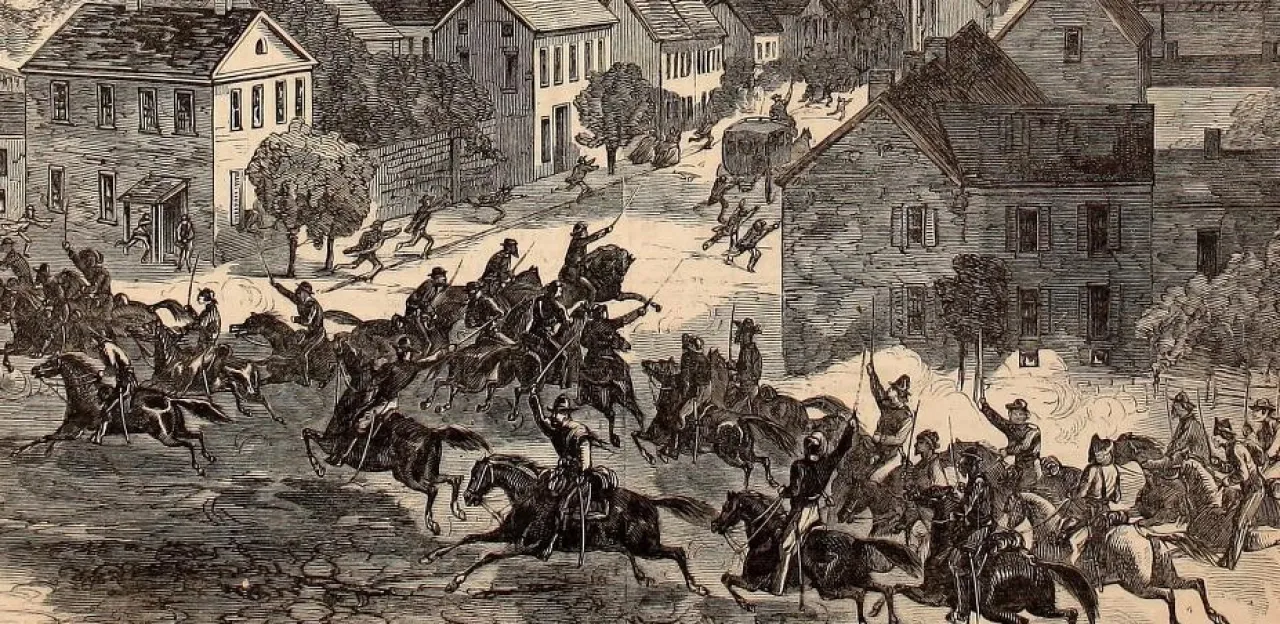
By Bill Carroll
In the Civil War, cavalry leaders defined the tempo and outcome of engagements. The Colts of Indianapolis can learn from the only Civil War battle fought in the state of Indiana.
July 8, 1863, Confederate Brigadier General John Hunt Morgan, nicknamed “Thunderbolt of the Confederacy”, and 2,400 men crossed the Ohio and rode over one thousand miles along the north bank of the river. For three weeks Morgan had terrorized defenders in southern Indiana and Ohio Union, including the 4th Indiana Cavalry, were mobilized to track down and capture Morgan’s raiders.
The next day, the Harrison County Home Guard, led by Colonel Lewis Jordan, caught the Confederate contingent a mile south of Corydon engaging in Indiana’s only Civil War battle. Outnumbered and outfought, Jordan retreated to Corydon and surrendered after only an hour of fighting. Although short, the battle left Morgan’s cavalry suffered 11 dead and 40 wounded in the battle, while losses in the Indiana Legion amounted to 4 dead, 10-12 wounded, and more than 350 captured and paroled. Three civilians were also killed in the fighting and subsequent occupation of the town. Morgan gradually made his way to Corydon with 355 captured Home Guard members, releasing the troops before plundering the city.
The 4th Indiana Cavalry pursued Confederate raider John Hunt Morgan and fought in a victorious skirmish near Munfordville, Kentucky. Colonel Lewis Jordan and Indiana Legion, the 4th Indiana Cavalry participated in numerous key battles and campaigns of the American Civil War, including the Chickamauga Campaign and Battle of Chickamauga, the Chattanooga Campaign, the Atlanta Campaign, and Wilson’s Raid in Alabama and Georgia.
After leaving Corydon, Morgan went north, hitting small towns, Vernon, Dupont, Pekin, Salem, and Versailles before leaving Indiana on July 13th. Morgan was a contradiction, audacious, resourceful, and charismatic, his leadership was legendary to his Southern followers, in the North, he was a “freebooter” and “bandit” known for daring and destructive raids. He was strong willed with a magnetic personality, inspiring loyalty and awe in his men. At times he showed reckless disregard for conventional military discipline and a taste for independence that clashed with his superiors.
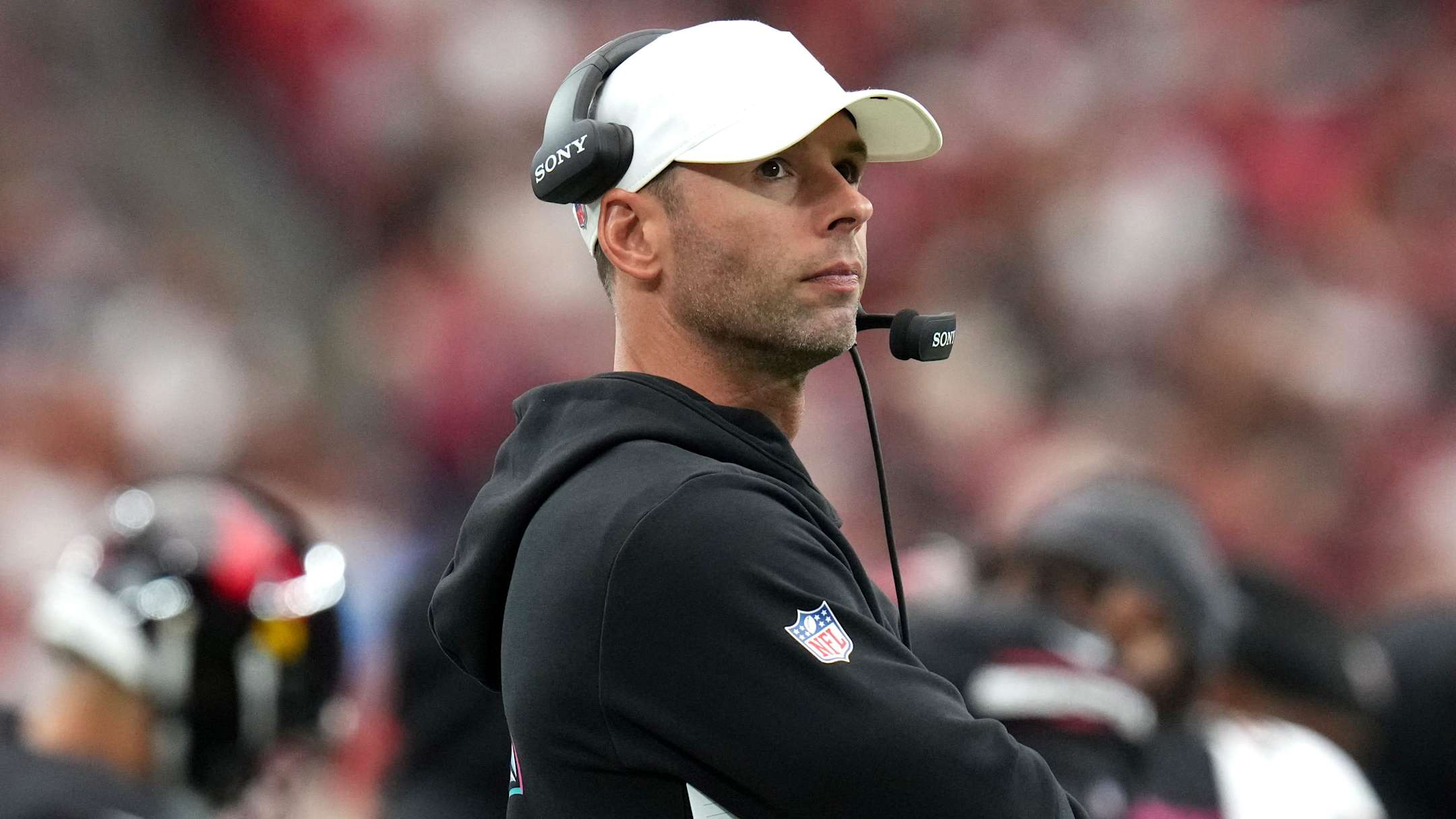
I do wonder if that same description could be applied to Cardinals Coach, Jonathan James Gannon?
The Order of Battle
- Battle of Corydon (July 9, 1863)
- The forces: Approximately 450 members of the Harrison County Home Guard, an amateur militia of townspeople, faced off against Confederate General John Hunt Morgan and his force of 2,400 veteran cavalrymen.
- The objective: The Home Guard’s main goal was not to defeat Morgan’s army but to delay them long enough for Union Army reinforcements to arrive.
- The outcome: The Confederate force, vastly outnumbering and out-experiencing the Home Guard, overwhelmed them. The battle was a tactical victory for the Confederates, who seized the town of Corydon.
- A strategic success: Despite the military defeat, the Home Guard’s stand was a strategic success for the Union. The delay caused by the battle allowed Union forces to organize and ultimately trap and capture Morgan’s raiders later in their campaign.
🦅 Offensive Precision: Colts as Edward Henry Hobson & William Edward Hobson
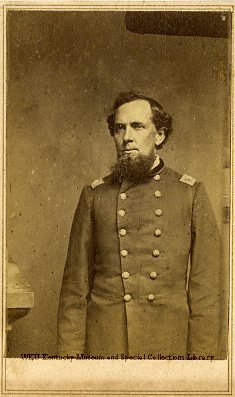
The Colts, led by Shane Steichen and quarterback Daniel Jones, must avoid operating like Morgan’s Raid, bold, decisive, explosive, but ill-considered and doomed. Instead they must study Hobson’s campaign of pursuit, measured, methodical and balanced. Their philosophy of “throw to score, run to win” is not just rhetoric; it’s doctrine. Daniel Jones has been efficient, commanding drives with vertical strikes and quick-game precision. Jonathan Taylor anchors the ground game, punishing defenses with vision and burst.
- Strengths: High completion rate, explosive plays, balanced attack, elite run game.
- Weaknesses: Vulnerable to interior pressure, especially post-Rams loss.
The Colts are a combined-arms with deep striking artillery in the passing game, armored infantry in the run, and cavalry flanking via Tyler Warren. They scout, strike, and sustain.
🐎 Offensive Formations: The Cardinals Must Be Aggressive
The Cardinals, under Drew Petzing, are a unit in flux. As General Edward Henry Hobson was dogged in his pursuit of Morgan’s unpredictable raids and mobile columns, which flashed moments of brilliance but lacked sustained offensive rhythm. Kyler Murray, the hobbled commander, has struggled with turnovers and timing. His foot injury may put veteran aide-de-camp, Jacoby Brissett in command.
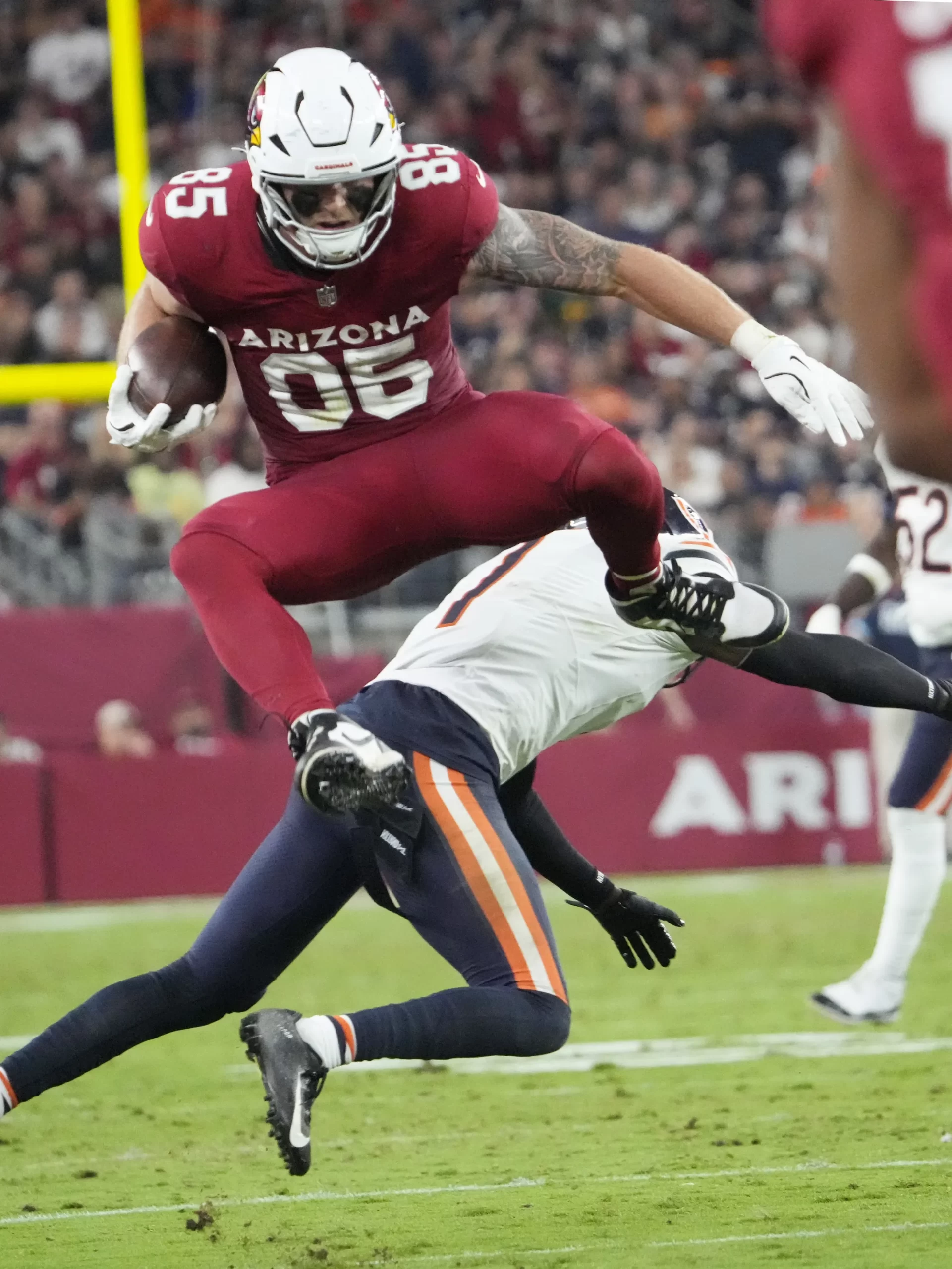
Drew Petzing’s offensive scheme centers on establishing a strong run game, often using heavy personnel like 12 (one back, two tight ends) and 13 (one back, three tight ends) formations, to set up RPO (run-pass option) and play-action passing concepts. The goal is to put defenses in conflict by creating heavier boxes and then attacking with the pass, utilizing spread formations on passing downs and a variety of personnel packages and motion to confuse opponents, to stabilize the front and unleash play-makers like Trey McBride.
- Strengths: Potential for misdirection, athletic skill players, and vertical threats.
- Weaknesses: Turnovers, inconsistent quarterback play, and lack of offensive identity.
🎯 Cardinals’ Offensive Tactics: Cavalry Maneuvers Against Fortified Lines
In the age of Napoleonic warfare, cavalry units were tasked with probing enemy defenses, exploiting gaps, and delivering shock action. The Cardinals, under Drew Petzing, use a blend quick-passing game as their primary maneuver to counter the entrenchments of the Colts’ defensive front. The most obvious place that the Cardinals would seem to have a strategic advantage is Trey McBride versus the corners, linebackers, nickels and safeties of the Colts. His best all-around game was week two versus the Panthers. In that game he had six catches for 78 yards, 13 yards per reception. He is averaging 8.4 targets per game and 55 yards per game with 1 TD.
Kyler Murray, is issuing rapid-fire orders from the skirmish. His mission: neutralize the pass rush before it breaches the command tent. Versus the Titans of Tennessee, the Cardinals produced just 192 passing yards despite having 31 passing attempts. While the two remaining backs, Michael Carter and Emari Demercado, he of the recent fumble, resulting in the football dribbling out of the end zone for a touch-back after he appeared to celebrate, prematurely, a near 72-yard touchdown, are both seen as 3rd down RBs.
Carter has 19 carries for 52 yards and a TD, that’s a 2.74 yards per carry average. As a receiver he has fared slightly better, 5 catches, 22 yards, good for 4.4 per catch average. The faster, but less nimble, Demercado has
🐎 Cardinals’ Quick-Passing Game: Tactical Doctrine
- Neutralizing the Pass Rush: Like light cavalry skirmishers, the they aim to strike before the enemy can reload. Quick releases prevent the Colts’ defensive mortars Buckner, Cross, and Ward silent.
- Short, Quick Throws: These are the sabers and carbines of the offense, fast, close-range, and designed to keep the defense off balance.
- Facilitating Explosive Plays: Once the defense is drawn in, the Raiders hope to unleash their lancers with deep shots to Dortch and Harrison Jr.
- Utilizing Key Weapons: Marvin Harrison Jr. is the lead scout, Trey McBride, the mobile artillery, and Greg Dortch, the flanking cavalry squad.
- Mobility and Timing: Smith’s movement is critical, like a cavalry officer dodging musket fire, he must navigate collapsing pockets and deliver with precision.
🧨 Tunnel Screen: The Artillery Barrage
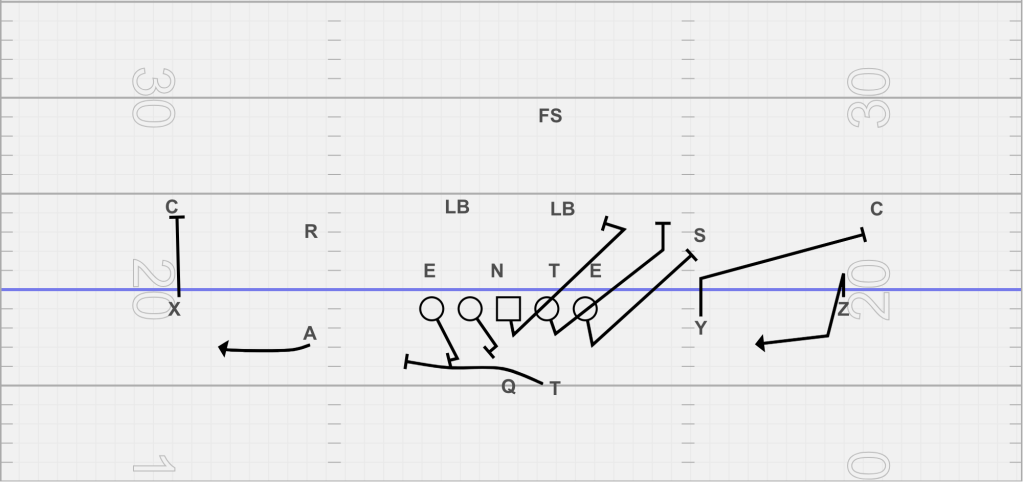
The Tunnel Screen is the Raiders’ canister shot cutting through the defensive lines with precision timing and coordination.
Diagrammed Execution:
- Receivers: X stalks the corner, A runs the bubble like a decoy drawing fire.
- Offensive Line: Guards and tackles kick-step and release, like infantry peeling back to allow the artillery to fire.
- Center: Releases up-field as the peel-back block, like a sapper clearing the trench.
- Quarterback: Smith meshes with the RB, flips hips, and fires the tunnel, like a cannon ball.
- Y and Z Receivers: Execute vertical threats and banana routes, like cavalry wheeling to flank the defense.
This play, executed with precision, can breach the Colts’ outer defenses and create chaos in the second level.
🧱 Colts’ Defensive Response: Fortified Earthworks
The Colts’ defense is a bastion, layered, disciplined, and designed to absorb and redirect force. Their zone coverage is a series of interlocking trenches. Their wide-nine front is a Glacis, forcing the Cardinals to attack from predictable angles.
- Interior Line: Buckner and Ward are fixed batteries, ready to fire on any breach.
- Linebackers: Cross and Bynum airborne infantry, plugging gaps, outflanking misdirection.
- Coverage Shells: Anarumo’s disguised zones are like rotating gun turrets, always shifting, always watching.
🧠 Strategic Fault Lines
The Cardinals’ offensive line is a vulnerable supply train. The Cardinals produced just 192 passing yards despite having 31 passing attempts. Miscommunications leave the command tent exposed. Trap plays misfire when timing falters. McBride, their most capable weapon, is being misused as a blocker when he should be out into space.
- Protection Schemes: The “5-0” call is man-to-man defense risky against blitzing cavalry.
- Execution: Clean up last year’s 14 false starts and 27 offensive holding penalties.
- Connect on a higher percentage of intermediate and deep passes.
- Play Marvin Harrison jr. more frequently in the slot.
- Keep incorporating more speed, short and reverse motions.
- Feed the Dortch.
- Enable Michael Wilson to have a breakthrough year in yards and TDs.
- Play-Action Misfires: Without rhythm in the run game, the entire formation collapses like a cavalry charge halted by muddy terrain.
- Receiver Timing: Routes that break late leave Murray exposed, like a commander waiting for reinforcements that never arrive.
🔧 Tactical Adjustments Needed
- Hot Routes: Neutralize blitzers with quick throws, like firing grapeshot at charging infantry.
- Expanded Drop-back Menu: Add variety to 3rd-and-long concepts to create confusion.
- Mercado in Space: Use him as a flanker, not a blocker, his play proves he’s a weapon, not a shield.
- McBride as Fullback: Like the Colts do with Warren, creating mismatches and forcing linebackers into coverage.
🧠 Tactical Implications
- The Cardinals must avoid a frontal assault. Like Morgan, they need deception, speed, and opportunism. Quick passes like angle, curl, hook and crack or tunnel screens to
- The Colts must use their advantages. Like Hobson, they’ll identify weak points and press with overwhelming force.
If Arizona can confuse coverage and unleash Harrison and McBride in space, they may disrupt the Colts’ rhythm. But if Jones and Taylor find their stride early, the Colts will dictate pace and punish hesitation.
Final Battle Report
I expect the Cardinals combined forces to stress the Colts’ defense. Their two top running backs, James Conner and Trey Benson, are on injured reserve. Michael Carter and Emari Demercado are smaller but explosive backs, they have potential, but they need better maps, tighter formations, and clearer orders. The Colts are a fortress. For Arizona to breach, they must coordinate artillery, time their charges, and avoid the traps in the trenches. I see the Colts surviving and prevailing 27-23.