

 NFL
By Bill Carroll
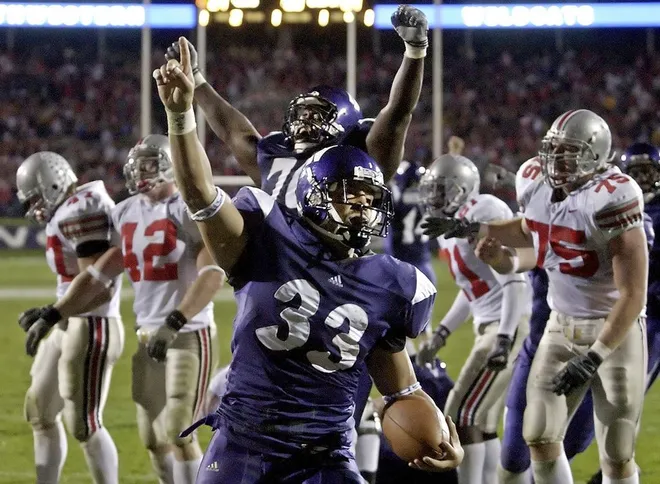
Twenty-two years ago, on a crisp October afternoon in Evanston, Randy Walker‘s Northwestern Wildcats authored one of the most memorable upsets in program history. Facing No. 7 Ohio State, the Wildcats erased a 27-10 deficit and stunned the Buckeyes 33-27 in overtime. The win ended a 24-game losing streak against the Buckeyes and marked Northwestern’s first series victory since 1971.
The popular memory of that night is one of a dramatic Northwestern comeback. The reality is more nuanced. The Wildcats built a 27-17 fourth-quarter lead before Ohio State scored 10 unanswered points to force overtime. After Mike Nugent missed a 40-yard field goal on the Buckeyes’ opening overtime possession, Noah Herron ended the game with a 1-yard touchdown run.
A reminder that while talent and rankings matter, belief, execution, and opportunism can occasionally bend the laws of college football. As the Wildcats prepare to visit No. 12 Ohio State in Columbus, that 2004 triumph offers a blueprint worth revisiting.
Remembering October 2, 2004
The 2004 Wildcats had no business winning that game on paper. Ohio State arrived with superior talent, depth, and expectations. Yet Northwestern stayed within striking distance, forced mistakes, made clutch plays, and capitalized on opportunities.
Defensive lineman Luis Castillo called the Buckeye offense
Wildcat wide receiver Mark Philmore said the Buckeyes were
“kids just like you out there,” according to a 2004 AP story.
These were the same Buckeyes who had beaten Northwestern 24 times in a row. The same Buckeyes featured future NFL talent like Santonio Holmes, Ted Ginn Jr., and A.J. Hawk.
Five ingredients fueled that upset:
- Resilience under pressure. Northwestern refused to panic after falling behind by 17 points.
- Timely turnovers can swing the momentum. The Wildcats seized critical moments instead of letting them slip away.
- Balanced offensive production. The Wildcats rushed for 172 yards while limiting Ohio State to 97. Basanez connected on touchdown passes of 14 and 27 yards, preventing Ohio State from crowding the line against Herron
- Northwestern overcame negative moments. The Wildcats survived two interceptions and a 63-yard punt-return touchdown.
- Finishing in crunch time. An 11-for-20 performance on third down allowed Northwestern to extend possessions and protect its defense. So when overtime arrived, Northwestern made the decisive plays.
The lessons from 2004 are clear: against Ohio State, mistakes must be limited and opportunities must be maximized. As the Wildcats prepare to visit No. 21 Ohio State in Columbus, the 2004 victory offers inspiration. Still, the more useful question is whether the current team has enough of the same ingredients to make Saturday uncomfortable for the Buckeyes. Ohio State enters the matchup 6-3 overall and 4-2 in the Big Ten, while Northwestern is 6-3 overall and 3-3 in the Big Ten.
What Actually Won the 2004 Game
The Wildcats’ 2004 formula was more than grit and hustle. Northwestern out-gained Ohio State 450-308, produced 24 first downs to the Buckeyes’ 20 and converted 11 of 20 third-down opportunities. Brett Basanez threw for 278 yards, while Herron rushed for 119 yards and scored three touchdowns. Northwestern’s offense was balanced, efficient, and stayed on the field.
A Different Challenge in 2026
This year’s Wildcats enter Columbus after a frustrating 24-10 loss to No. 19 Iowa. Despite the defeat, head coach David Braun made it clear that neither he nor his team views moral victories as acceptable.
“We are not satisfied,” Braun said following the game.
Northwestern’s record now stands at 6-3 overall and 3-3 in Big Ten play. While the five-game home winning streak is gone, the Wildcats remain firmly in bowl position and still have an opportunity to strengthen their postseason résumé against one of the conference’s premier programs.
The Tale of The Tape
This Northwestern team arrives in Columbus after consecutive losses to Oregon and Iowa. The 24-10 loss to Iowa was especially revealing because it exposed problems that Ohio State is equipped to attack.
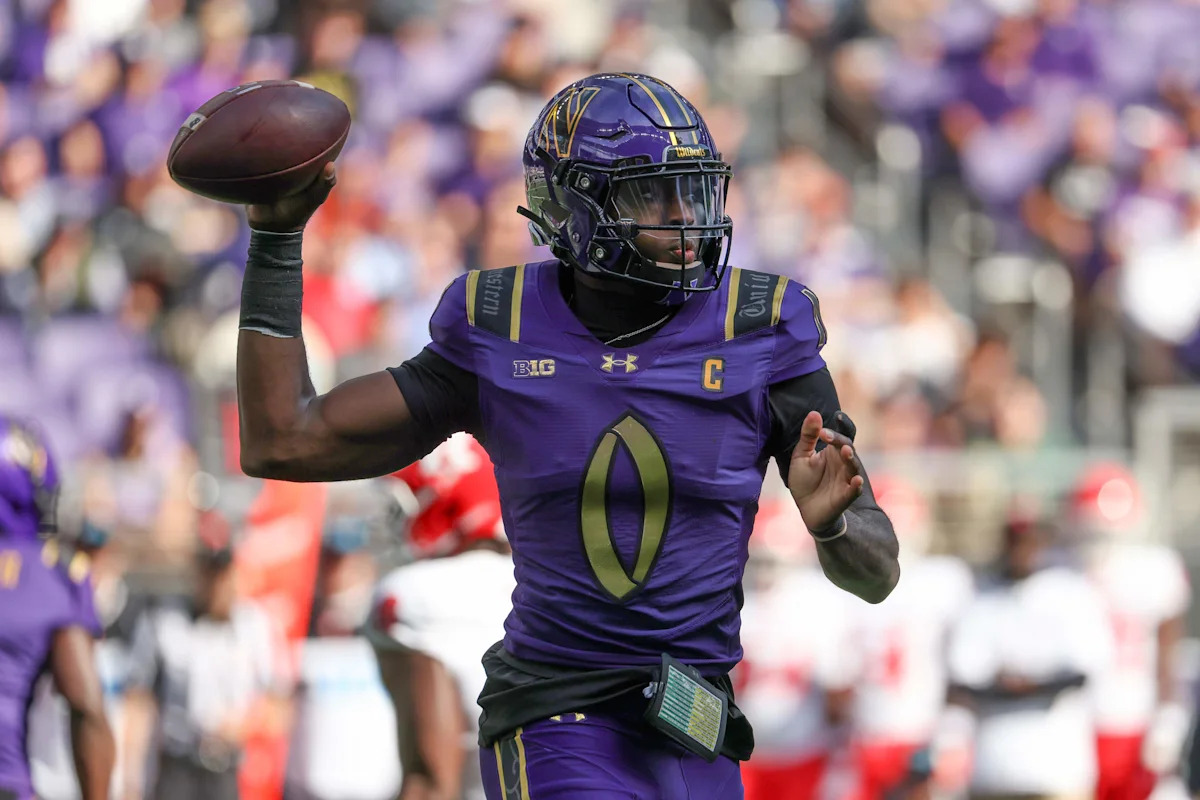
With Aidan Chiles sidelined by an upper-body injury, Via Pete Thamel”
“Chiles has been dealing with an upper-body injury, and his timeline for a return is uncertain. He has thrown for 1,898 yards while accounting for 23 TDs (13 passing, 10 rushing) and just one interception this season for the Wildcats (6-2).
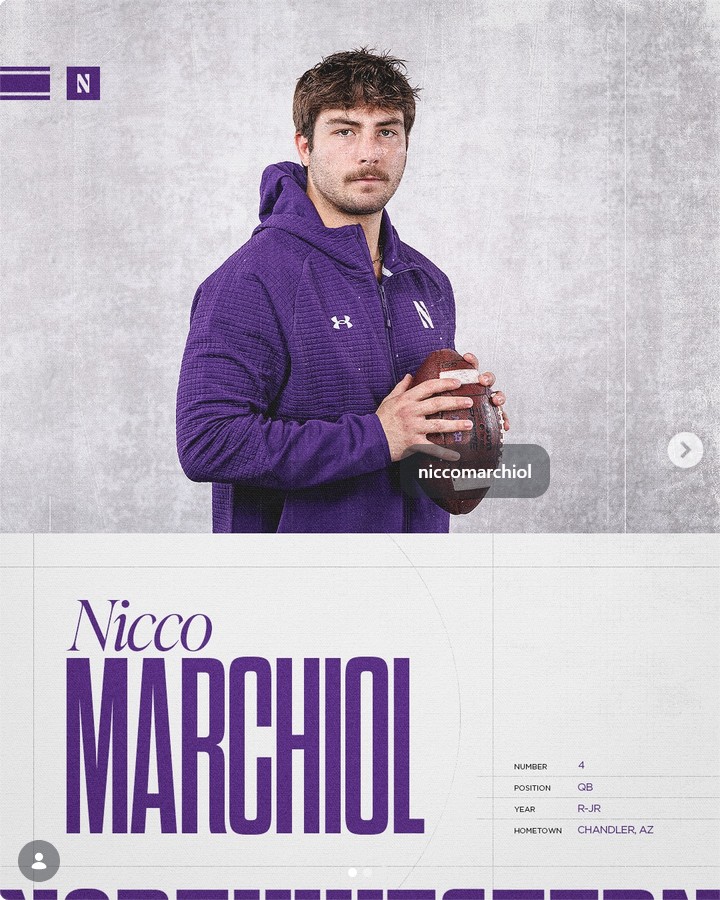
Nicco Marchiol completed 24 of 32 passes for 181 yards and a touchdown. He also rushed 23 times for 52 yards. He showed talent and toughness, but the offense was forced to operate in compressed space. Northwestern averaged only 2.8 yards per rushing attempt, allowed six sacks, and failed on several short-yardage opportunities.
The Wildcats converted only 1 of 11 third downs and 1 of 4 fourth downs against Iowa. They were stopped twice on third-and-1 and twice on fourth-and-1. That is the most concerning transition point from Iowa to Ohio State.
Marchiol’s performance was encouraging in isolation. It was not evidence that Northwestern has solved its quarterback or protection questions. Northwestern’s season-long identity is built around efficiency and possession control, but that identity disappeared when the field narrowed, and the offense had to win a single block.
If Chiles remains unavailable, the coaching staff must reduce the number of obvious passing situations Marchiol faces. If Chiles returns, Northwestern must still protect him against a defense that allows 287 yards per game.
Comparative Analytics: Where the Game Turns
| Category | Northwestern | Ohio State | Matchup meaning |
|---|---|---|---|
| Points per game | 31.0 | 35.7 | Ohio State has the higher offensive ceiling |
| Points allowed per game | 19.3 | 18.3 | Similar scoring averages conceal a larger yardage gap |
| Total offense | 421.2 | 467.9 | Ohio State gains 46.7 more yards per game |
| Total defense | 365.4 | 287.0 | Ohio State allows 78.4 fewer yards per game |
| Passing offense | 231.0 | 320.2 | The Buckeyes hold an 89.2-yard advantage |
| Rushing offense | 190.2 | 147.7 | Northwestern’s clearest conventional advantage |
| Rushing defense | 149.3 | 97.1 | Ohio State is far better at suppressing the run |
| Third-down offense | 42.7% | 44.1% | Both offenses are generally efficient |
| Third-down defense | 39.8% | 39.7% | Nearly identical season-long results |
| Turnover margin per game | +1.3 | +0.1 | Northwestern’s strongest upset variable |
| Time of possession | 31:48 | 32:41 | Ohio State already plays possession football well |
The Blueprint for Another Shocker
If Northwestern hopes to recapture the zeitgeist of 2004, these elements must fall into place.
Win the Turnover Battle
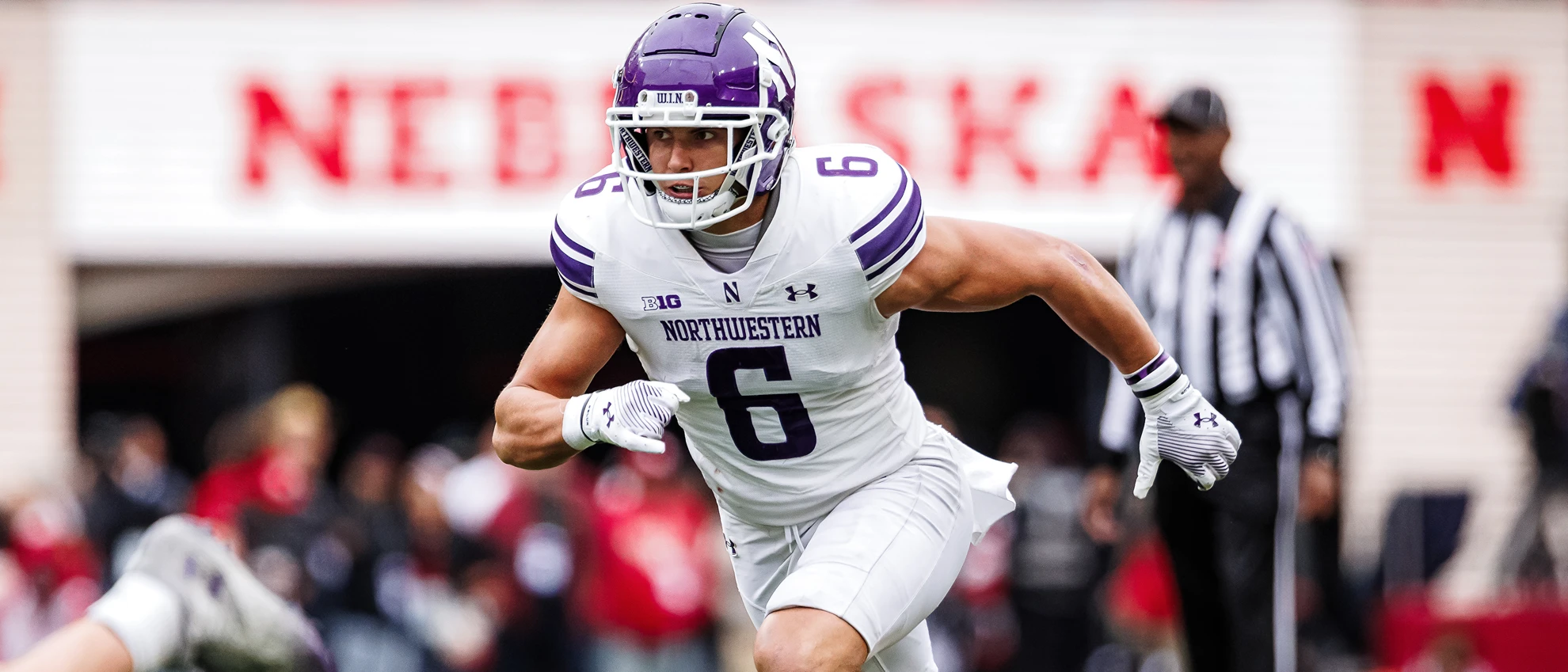
The biggest parallel to the 2004 upset is Northwestern’s current ability to create takeaways. The Wildcats average 1.3 takeaways per game, compared to Ohio State’s 0.7. Safety Robert Fitzgerald returns from injury with interceptions in three straight starts; he gives Northwestern a playmaker in the secondary who can change momentum with a single snap. An interception, strip sack, or special-teams takeaway could provide the type of spark that energized the 2004 comeback.
Control the Clock
Ohio State’s offense thrives when it gets more possessions. Northwestern’s path to an upset involves turning the Buckeyes’ offensive Blitzkrieg into a quagmire. Keeping everything in front of them on defense and rallying to the tackle. On offense, that means long, punishing sustained drives that drain the clock.
Take Smart Chances
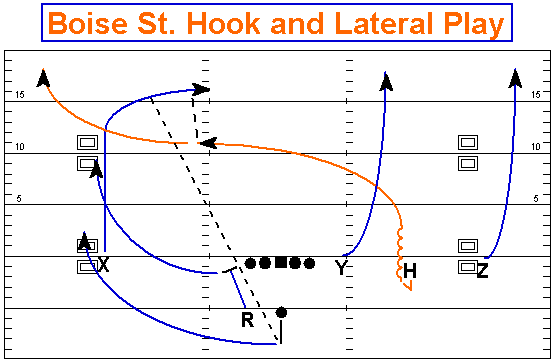
Predictability is not the fuel for an upset. In three to five select spots, a flea-flicker, a fake punt, an RB option pass, a hook-and-lateral play- find a way to confound their expectations regarding an otherwise conservative game plan. The seeds of an upset can be watered by the sweat of a Wildcat and the tears of a Buckeye.