
 NFL
NFL
By Bill Carroll
🏈⚔️ Colts Versus The Seattle Seahawks: Infantry To The Forefront
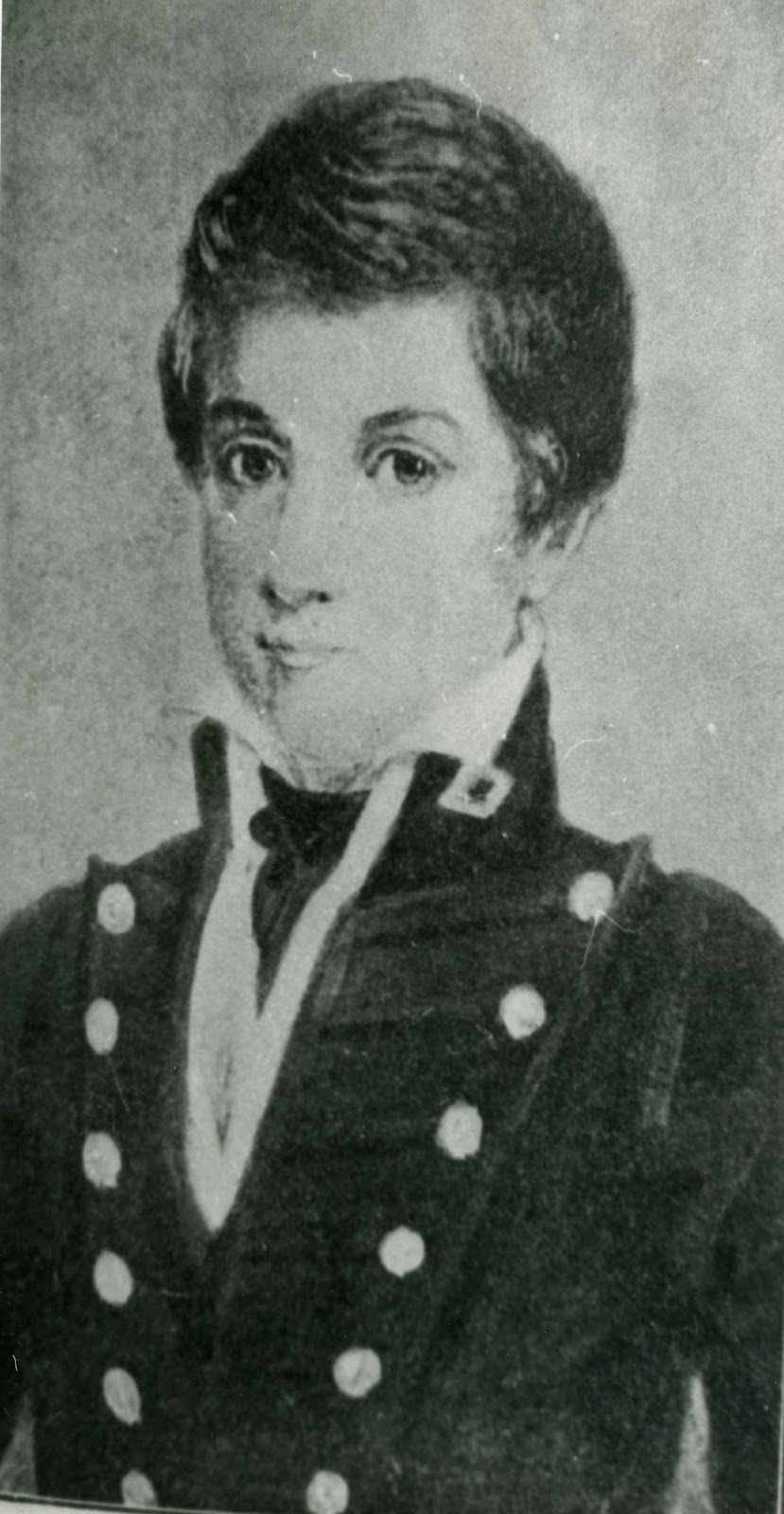
On the morning of January 26, the crew of the USS Decatur was re‑embarking for breakfast when a civilian rushed aboard: Nisqually, Muckleshoot, Puyallup, Klickitat, and Duwamish, planning to surround and attack the settlement. Commander Gansevoort immediately sent the crew ashore, keeping only enough sailors to man the ship’s guns.
Led by their officers, 96 sailors raced to their posts. On the southeast edge, Lt. Francis G. Dallas split his men between a hen-house and hayloft to cover the sandbar across the swamp. Just north, Lt. Drake positioned his men on high ground, using trees and stumps for cover. Lt. Hughes took the Elliot Hotel and nearby buildings, northwest of Drake’s line.
In response, over a hundred sailors and marines fought ashore for seven hours. 26 January 1856,
Most of the vessel’s 18 marines, led by Orderly Sergeant Charles Carbin, were sent to the blockhouse on the town’s northern edge. Meanwhile, Lieutenant Morris and his boat howitzer crew, consisting of ten sailors and marines, hastily positioned their gun at the swamp’s edge for a clear field of fire.
Lieutenant T. S. Phelps commanded the defense of the northern flank. As his men rushed forward, they spotted Indians massing on the lake trail and charged, driving them back before returning to their positions. In the southern sector, the fight became a long-range exchange across the swamp. Neither side dared a frontal assault across the sandbar, knowing it would be suicidal.
Lieutenant Dallas later recalled facing “700 or 800 Indians” as the battle intensified: one man near him was shot through the temple, a musket ball pierced his blanket, and another shattered a comrade’s weapon. Their post was “nearly riddled with balls.” Another eyewitness described the chaos: booming ship guns, shrieking shells, rattling musket fire, and Indian war cries under a dark, lowering sky, occasionally punctuated by the screams of women urging warriors forward.
As the fight dragged on, the Nisqually, Muckleshoot, Puyallup, Klickitat, and Duwamish forces shifted north, subjecting Phelps’s men and the blockhouse to withering sniping. Suddenly, the firing stopped; Leachi’s voice rang out, signaling an all-out attack. Phelps hastily warned his men that any weakness meant death. When the ship’s bell struck noon, the Nisqually, Muckleshoot, Puyallup, Klickitat, and Duwamish charged.
Only 14 sailors stood against the assault. The attackers closed to within 20 feet before firing, but the sailors held firm. The Nisqually, Muckleshoot, Puyallup, Klickitat, and Duwamish faltered, seeking cover behind logs and trees. Eventually, their numbers would have overwhelmed the defenders, but they broke first, saving Seattle. The howitzer was moved north to support Phelps, but the noon attack was the climax of the battle. The assault from the Nisqually, Muckleshoot, Puyallup, Klickitat, and Duwamish dwindled, and by mid-afternoon, they avoided the open.
Knowing his ship’s guns dominated the town, Commander Gansevoort ordered a withdrawal. Exhausted after nearly 24 hours without rest or food, the sailors fell back in good order. By 1600, only marines and civilians in the blockhouse remained. Some civilians were evacuated to the bark Brontes in the bay. Sporadic fire continued, but Decatur’s shells prevented looting and burning. The last shot was fired at 2200, with the Battle of Seattle ended.
Native casualties were estimated at about 30 dead and up to 80 wounded. Two civilian volunteers were killed, but the Navy suffered no fatalities, a minor miracle given the intensity of fire. The Decatur stayed until all danger passed, and the Nisqually, Muckleshoot, Puyallup, Klickitat, and Duwamish never again attempted to retake their ancestral homes or Seattle.
The Modern Defense of Seattle
At 5’10”, 226 pounds with 4.39 speed, Jonathan Taylor bursts through the line with the same violent finality as the USS Decatur’s 32-pounder broadsides ripping the tree line at the 1856 Battle of Seattle, when that cannonade forced the attackers back swinging the battle’s momentum. Taylor’s 1,356 rushing yards and 5.5 yards per carry this season stand as the Colts’ equivalent of that morale-swinging barrage; with Daniel Jones sidelined and Riley Leonard compromised, even Philip Rivers now 44 is secondary to the simple truth: the ball must go to Taylor, and often. 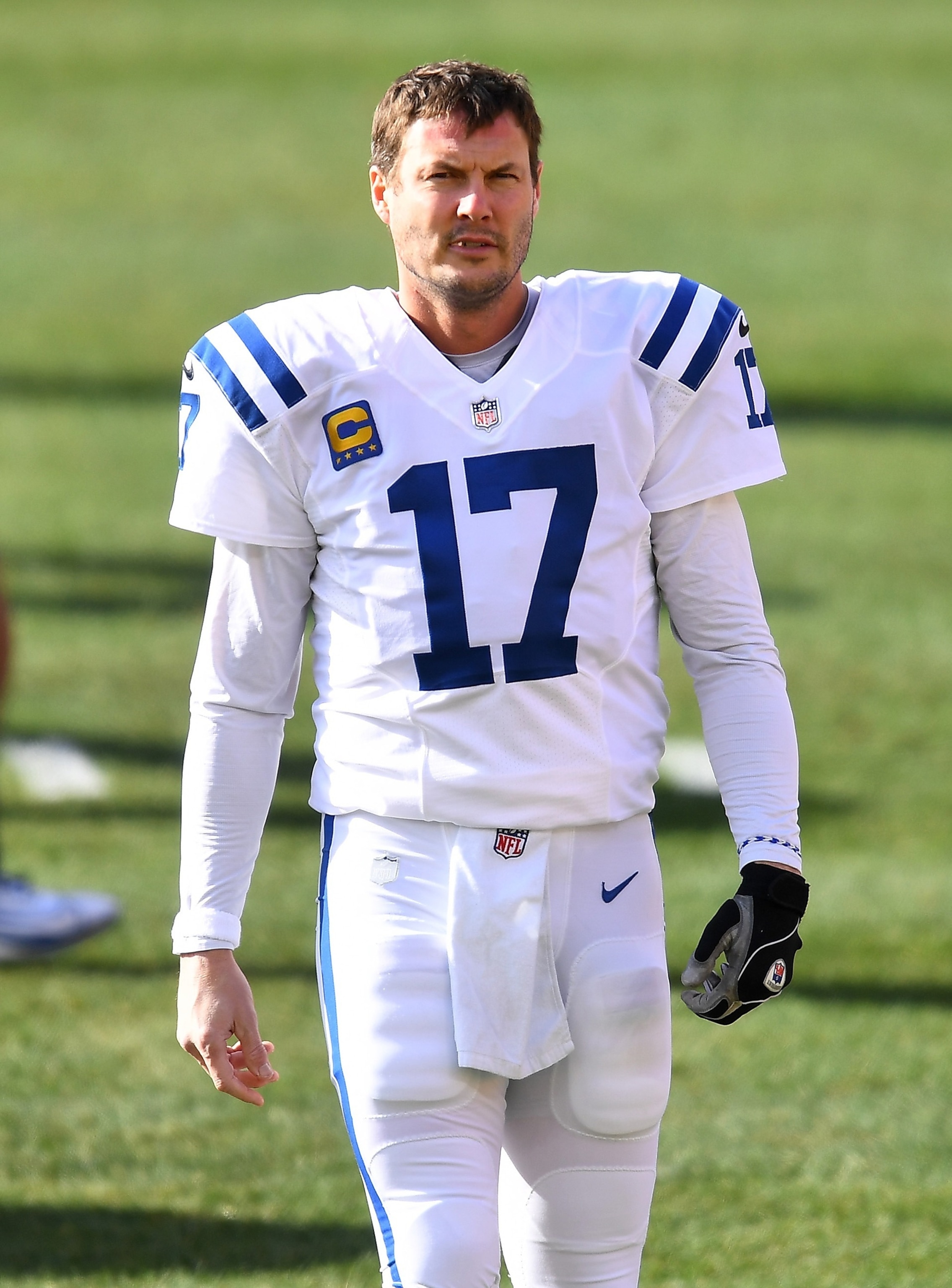
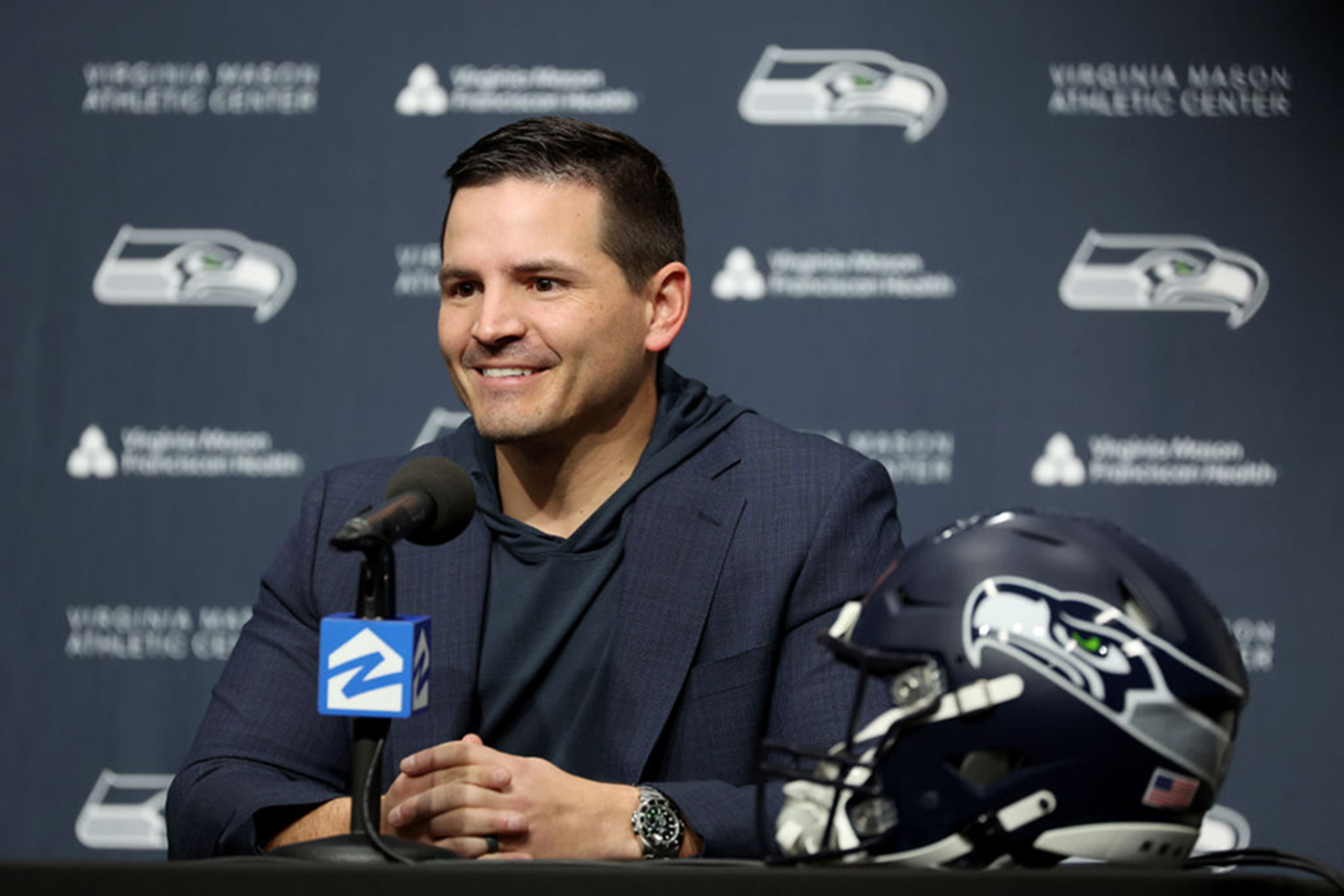
Under Chief Leschi’s coordination, the coalition fighters pressed the settlement with sudden, organized thrusts from the timberline, a tactic that finds its modern counterpart in Mike MacDonald’s four-man fronts and those disguised two-high shells that only reveal themselves after the snap.
The Order of Battle
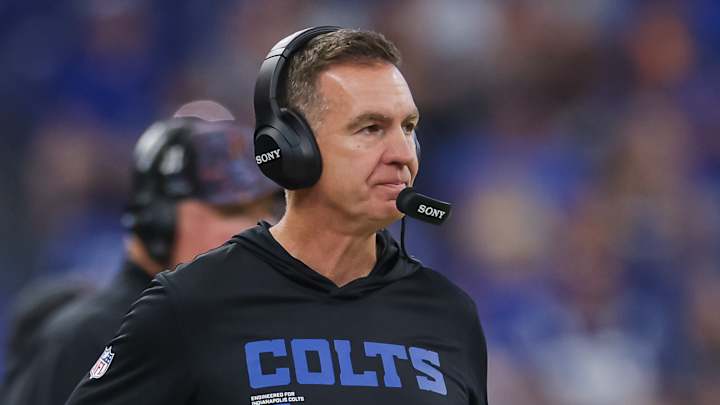
Across the field, the opposition prepares a counter-deception. Lou Anarumo’s Colts defense thrives on disguise, versatility, and situational pressure. Against Klint Kubiak’s Seahawks offense, which leans on outside-zone runs and Sam Darnold’s play-action passing, Anarumo deploys disguised coverage, simulated pressures, and personnel flexibility to force Darnold into mistakes.
Kubiak’s outside-zone structure creates predictable aiming points, and Darnold’s history against late-rotating coverage gives Anarumo the vulnerabilities his simulated pressures punish. With Seattle’s run game still searching for consistency, those structural weaknesses mirror the exposed approach lanes of an advancing force in rugged terrain this invites the ambush that is Anarumo’s specialty.
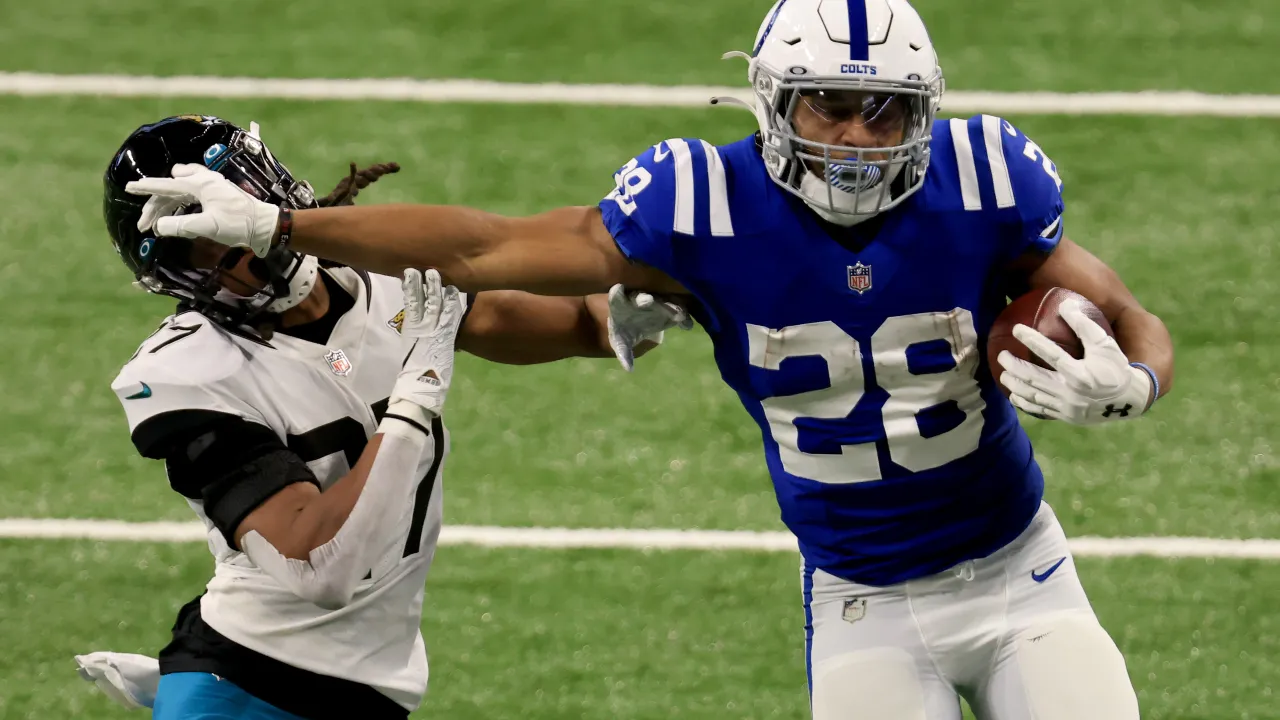
With either a neophyte or a grandfather at QB, the colts must build a game-plan that maximizes the impact of their two force multipliers on offense, Jonathan Taylor and Tyler Warren. Tyler Warren can align everywhere from traditional tight-end, slot, full-back, H-Back, X, Z and even “Wild-Colt” QB. His size speed and ability to run after the catch mean that screens and shallow crosses can still be big plays.
When the smoke clears it will be up to the command and control of the Colts to maintain discipline and structure when all seems lost as when During the Battle of Seattle, Lieutenant Dallas and his company held steadfast versus a superior force.