
 NFL
NFL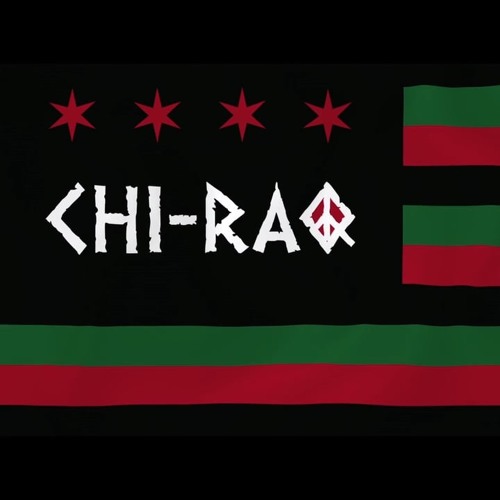
By: Matt Overton
The Twenty-second Joint
Glory, glory, hallelujah! Not only are we celebrating the fact that I have finished watching all of Spike Lee’s narrative feature films, but we’re also rejoicing in the fact that I have survived his abhorrent slump era and seen the light at the end of the tunnel. While not without its own controversies, Chi-Raq sees the esteemed auteur return to form with a bold, stylistic, and narratively compelling story. A rarity in the New Yorker’s filmography, this film takes place not in The Big Apple but in the streets of Chicago, where gun violence is rampant and the citizens are emboldened to take matters into their own hands.
In taking a break from remaking films, Spike turned his attention to 411 B.C.E. to the time of Greek playwright Aristophanes. His play “Lysistrata” is set during the Peloponnesian War; when Athens and Sparta were waging a bloody conflict with no end in sight, the women of both city-states took it upon themselves to gun for peace. Through a truce, they all agree to withhold sex from their men until an end to the conflict can be achieved. This is how Spike deposits the Ancient Greek satire into the modern day. As the Trojan and Spartan gangs spill blood all across the city—including that of innocent children—the ladies from both sides decide to do the same until their men can put the ceaseless violence behind them.
As jarring as it was to hear Nick Cannon’s voice rapping the song over the opening credits, imagine my surprise seeing the man in a leading role. I didn’t think he was still pulling those. As the leader of the Spartan gang, the young Chi-Raq cares less about murder charges than he does about his latest album. He’s got a fine, loving girlfriend by the name Lysistrata, but she reaches her breaking point after walking across a child’s cold body in the street. She bands together with her fellow Spartans and even reaches across the aisle to the Trojan females. After a witty comment referencing John Brown’s storming of the federal armory in Harper’s Ferry, this cohort of unarmed, headstrong, proud Black women takes control of a National Guard post in Chicago.

As the narrator explains in the beginning—Samuel L. Jackson as Dolmedes, who is steeped in melodramatic humor—Aristophanes’s play is a satire that tackled socio-political themes related to the Peloponnesian War. Spike took some hints directly from that ancient playwright’s pen and completely coats his film in irreverence and satirical takedowns. A lot of the dialogue is spoken in rhyme, which creates a lot of engaging dialogue and creative back-and-forth. There are some breakaway musical numbers, but I wouldn’t label this a musical. Instead, it’s another Joint that highlights the power and influence of music in the way it’s interwoven in the narrative. Chi-Raq has his amateur rapping career that dictates how he lives his life as a rapper/gangster; the feds use old-school love songs in a psy-op in an attempt to make the women capitulate; and reminiscent of Red Hook Summer, there are a couple of moving gospel numbers with song and dance.
After sitting through multiple stinkers and two genuinely abhorrent pictures, Chi-Raq was the most refreshing breath of fresh air. It was invigorating to watch Spike create something artistically invigorating again. Returning to his bread and butter, he tackles concerning trends in America and the disparities our citizens face at home. Now I can’t speak on the controversy of the Chi-Raq nickname as I’m not from The Windy City, but I believe any controversy can be in good faith in the service of good art. The film’s introduction contrasts the death toll of American soldiers in the various Middle East entanglements with that of gun casualties in Chicago alone. The numbers are appalling, especially as one considers the time, effort, and capital that was poured out from the country instead of being used on our own domestic ails.