
 NFL
NFL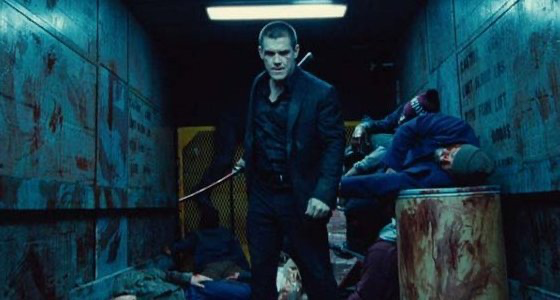
By: Matt Overton
The Twentieth Joint
In a career filled with deliberately controversial and provocative films, Spike Lee accomplished the unimaginable with his remake of Oldboy. The original 2003 film not only catapulted Director Park Chan-wook to the global stage but also primed the rest of the world for the South Korean New Wave. During pre-production for this remake, a lot of big names were tossed around—Justin Lin and Steven Spielberg were both eyed to direct, plus Christian Bale and Colin Firth were offered roles. Screenwriter Mark Protosevich was attached to the production before the rights were secured, but more on his contributions shortly. Only ten years after the original’s release, this movie reeks of the idea of American exceptionalism and the notion that, because a South Korean auteur made one of the most incredible movies this century, Western artists could do the job but better.
Why else would an L.A.-based, indie production company vie for the rights to remake Oldboy? Part of the reason, of course, boils down to the fact that specifically American audiences couldn’t be bothered to watch a foreign film in the year 2013. This prejudice may have waned in the last decade—thanks in part to the global phenomenon that was Parasite—but there was no doubt a substantial group of simple-minded, ignorant moviegoers who would rather watch a dull, dim-witted, watered-down version of a foreign film in English.
In my abounding graciousness, I’m willing to let Spike off the hook for this film. It’s really only the second time in his career that he took a job solely to direct—the first and more successful attempt being Inside Man. In a subtle act of rebellion, the opening credits label this a Spike Lee Film, not his usual stylization as a Joint. This was in part due to his original 140-minute cut of the movie being whittled down by the studio to a more “palatable” 103 minutes. I’m willing to bet that in no timeline is more of Oldboy (2013) a good thing, but lead actor Josh Brolin did agree with the director that the longer cut was the better version.
Now, Protosevich’s script does deserve more ridicule than anything. With extremely stilted dialogue, random changes to the original story, and an overwhelming sense of uselessness, this film comes together in an unholy menagerie of waste. Brolin does what he can with what he was provided and does entertain, as does Elizabeth Olsen in her supporting role. After twenty-two years, Spike got to reunite with Samual L. Jackson, after being separated since 1991’s Jungle Fever—if only their reunion was for something less insulting than this.
Due to an unintelligent script that offers zero good reasons to ever watch this over the original, Oldboy (2013) is a blemish on Spike Lee’s career, no matter what attempts he makes to distance himself from the picture. Of course, it doesn’t fall completely flat because the story it’s based on is still remarkable, even if it’s being told through such an awful artistic lens. Oldboy (2013) is the kind of movie that is impossible to recommend to anyone because it is inferior in every regard. Unless you’re a masochist and want to torture yourself, the only potentially good reason to watch this is if you want to 100% Spike Lee’s filmography. Otherwise, keep your distance from this one.