 NFL
NFL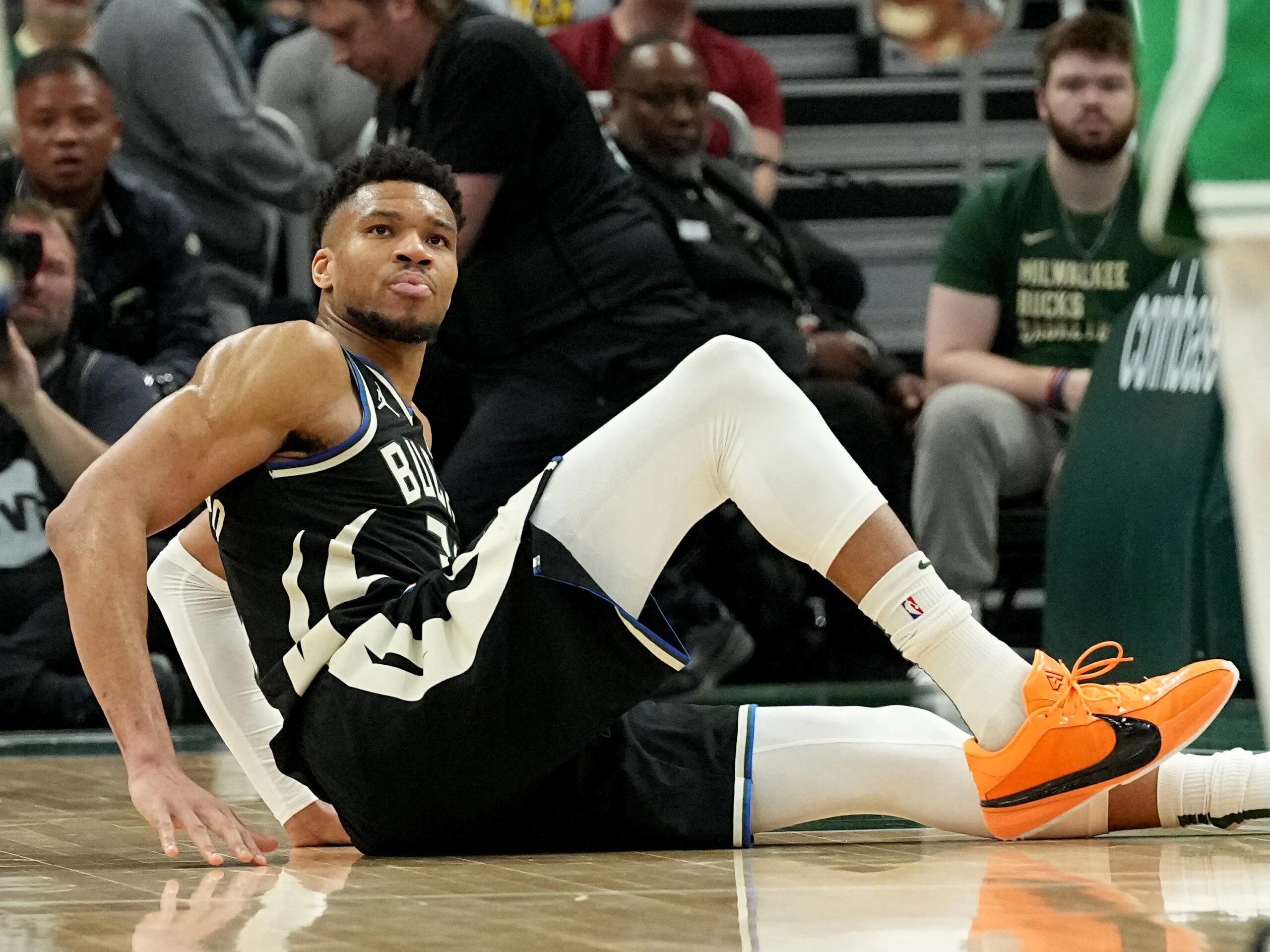
The National Basketball Association is confronting a spate of calf, hamstring, and groin injuries that have sidelined high-profile players and raised fresh questions about player workload, training, and prevention strategies, and the league says it is taking the trend seriously. Reuters
San Antonio Spurs rookie Victor Wembanyama was diagnosed with a left calf strain and placed on a short-term recovery timetable after an MRI, becoming one of several marquee players to miss time with soft-tissue trouble. Reuters Milwaukee’s two-time MVP Giannis Antetokounmpo was sidelined with a low-grade left groin strain, and other players across the league have missed games with hamstring and adductor injuries this season. ESPN
Those individual injuries are unfolding against a broader backdrop: last season’s unusual cluster of Achilles ruptures and continued soft-tissue problems prompted Commissioner Adam Silver to convene experts and explore new analytical tools. “We had already convened a panel of experts,” Silver told ESPN, and the league is “looking at more data,” including the possibility of using artificial intelligence to analyze video and identify previously unseen patterns that might predict or prevent injuries. ESPN
Coaches and team medical staff have voiced concern about what they call a changing modern workload. Golden State coach Steve Kerr said he is “very concerned” about the increase in soft-tissue injuries and pointed to the league’s faster pace of play and heavier in-game workloads as possible contributors. Kerr and others have suggested that a style of play marked by frequent sprinting and quick changes of direction may increase strain on calves, hamstrings, and adductors. SI
Medical experts and performance directors caution that soft-tissue injuries are multifactorial, driven by acute game stress, conditioning, prior injuries, training loads, and even how young athletes are developed. The league’s own research, including past injury reports, has produced mixed findings about whether load management or fewer games would meaningfully reduce injury rates, and Silver has said there is no clear evidence that shortening the season alone would solve the problem. ESPN
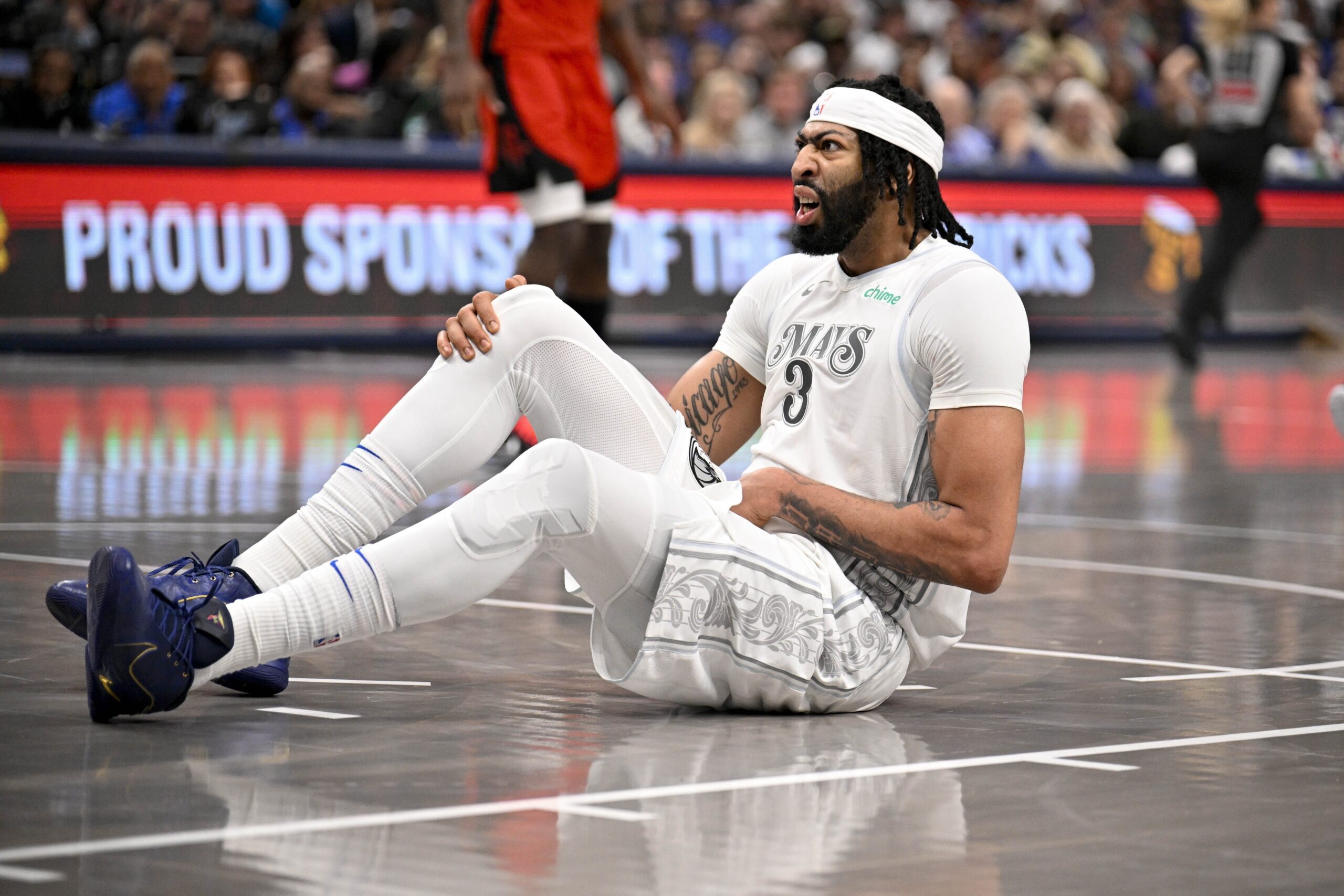
Teams are responding with conservative medical protocols and individualized rehab plans. The Dallas Mavericks, for example, placed Anthony Davis on a multi-week timetable while he recovers from a calf strain, and the Brooklyn Nets ruled guard Cam Thomas out for the season last year after a hamstring strain suffered in March. Reuters
League officials say the goal is to combine medical best practices with cutting-edge analytics rather than to make quick policy changes. “I’m hopeful that by looking at more data… the ability with A.I. to ingest all video of every game a player’s played in to see if you can detect some pattern that we didn’t realize that leads to an Achilles injury,” Silver said. He added that the league is taking the matter “very seriously.”ESPN
For now, coaches and players continue to navigate the season game-by-game while medical staff push individualized recovery plans. The debate over whether the league should alter scheduling, practice norms, or offseason training will likely intensify if soft-tissue injuries persist and officials say more research and data, not speculation, will guide next steps. SI