
 NFL
NFL
By: Matt Overton
Avatar: Fire and Ash is upon us after a lightning-fast three-year window. It’s funny that for me, not waiting thirteen years for a sequel actually makes the excitement surrounding the new one more palpable. Coming hot off the heels of The Way of Water, James Cameron has never been one to shy away from a challenge. Reaching new heights with his first sequel, it was always going to be an uphill battle, not only following up that incredible film, but giving us good enough reasons to care about a third entry. King James manages to succeed in some areas as he delivers one of the biggest, most beautiful spectacles of the year, but he also stumbles along the way as this franchise begins to spin its wheels.
Fire and Ash marks the first time in Cameron’s career that he’s returned to a story for a third time. He’s obviously got a lot to say through the Na’vi and Pandora. Where the first film’s challenge was grabbing audiences’ hearts and getting them invested in this crazy new world, and the sequel had to build on that while promising more to come, this third film has a new challenge in continuing to make people care about these blue people sixteen years on. This is where Cameron both fails and succeeds.
Fire and Ash continues to double down on the franchise’s intent to be a domestic sci-fi drama stuffed with gorgeous set pieces. The Sullys are front and center, and I wouldn’t want them anywhere else. Jake continues to grow on me, and Sam Worthington’s embodiment of this character grows more impactful with each film. Zoe Saldana is the undisputed MVP of all three movies, and Neytiri is by far the best character. They lead the ensemble with enough heart to spare, but reprising his role yet again and surprising me the most was Stephen Lang’s Quaritch. I was growing increasingly irked by his character’s refusal to die, but after seeing this performance, I’m convinced I would enjoy having him as the antagonist for many more movies. Lang steps back into this character with the right amount of zest, and his pairing with the new villain Varang was the perfect match. It’s not often we see a love story for the villains, but their respective arcs were some of the most riveting aspects of the film.
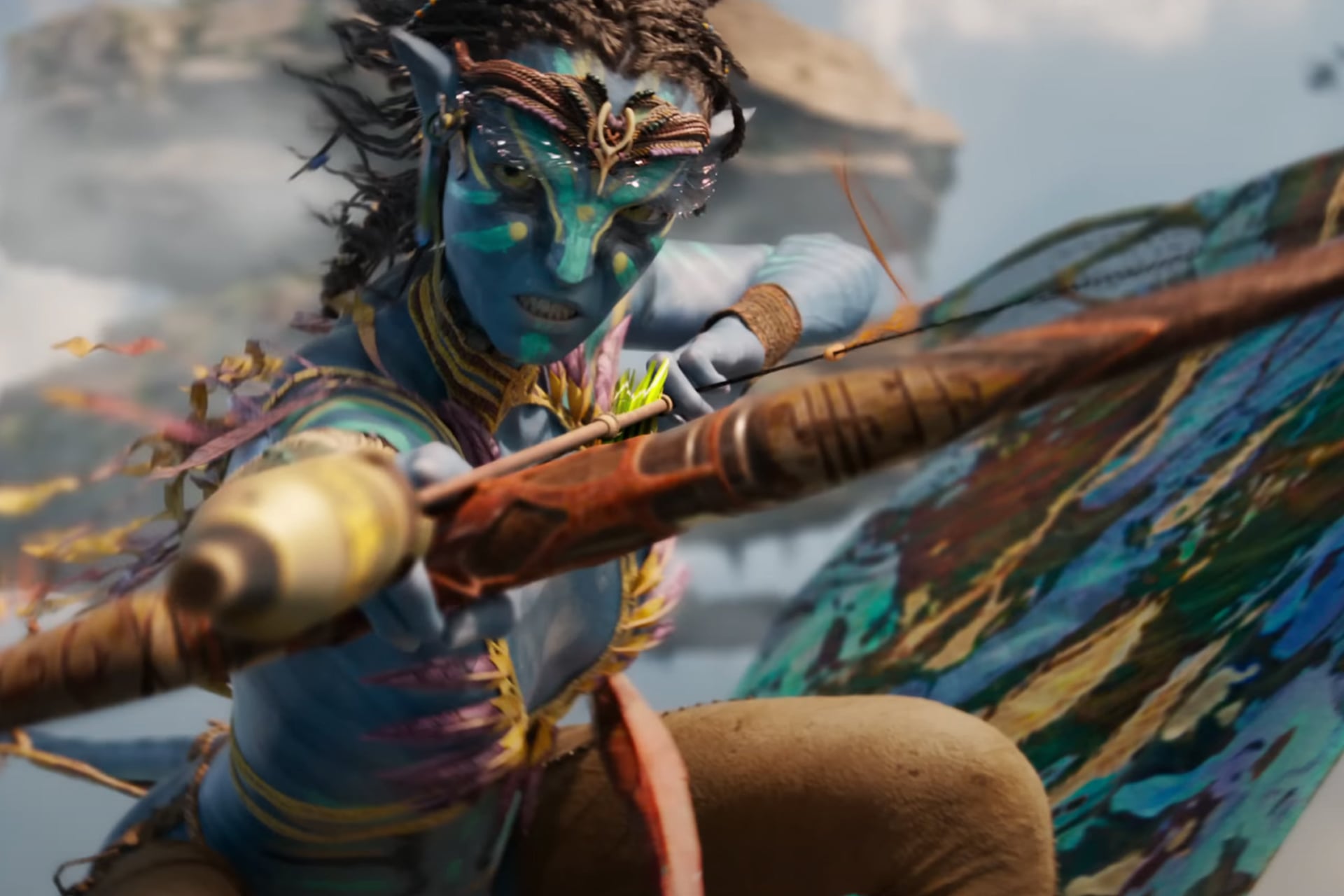
Unfortunately, Fire and Ash repeats a lot of the same beats as The Way of Water—some of them are almost identical. Cameron loves his sinking ships, sure, but even a lot of the conflict leading up to the climax is copied and pasted. It helps that everything on screen is some of the most beautiful imagery of the year. To the people saying these movies aren’t breaking ground with the visuals must’ve watched this with their eyes closed. Avatar continues to set the standard for visual effects, and it isn’t even close. I will say that seeing this in Dolby instead of IMAX might’ve been a mistake. The 3-D glasses looked high-tech and even sturdier than IMAX, but the coloring seemed a bit washed, and the visuals weren’t popping as much. As my first Dolby 3-D, it might also be my last. I was unimpressed.
So Avatar: Fire and Ash is a mixed bag. The characters are more fleshed out and lived in than ever, the visuals led to more lovely drooling, and the action is as big and bold as ever, but the similar plotting really dampens the overall experience. I’m positive Cameron could crank out ten more of these—and I’d see every single one—but audiences might be getting stretched thin. I guess we’ll have to see if Avatar goes three for three in the billion-dollar club. Either way, IMAX is calling my name for a second round. Let me just plug into my Ikran real fast. Matthew will return.