

 NFL
NFL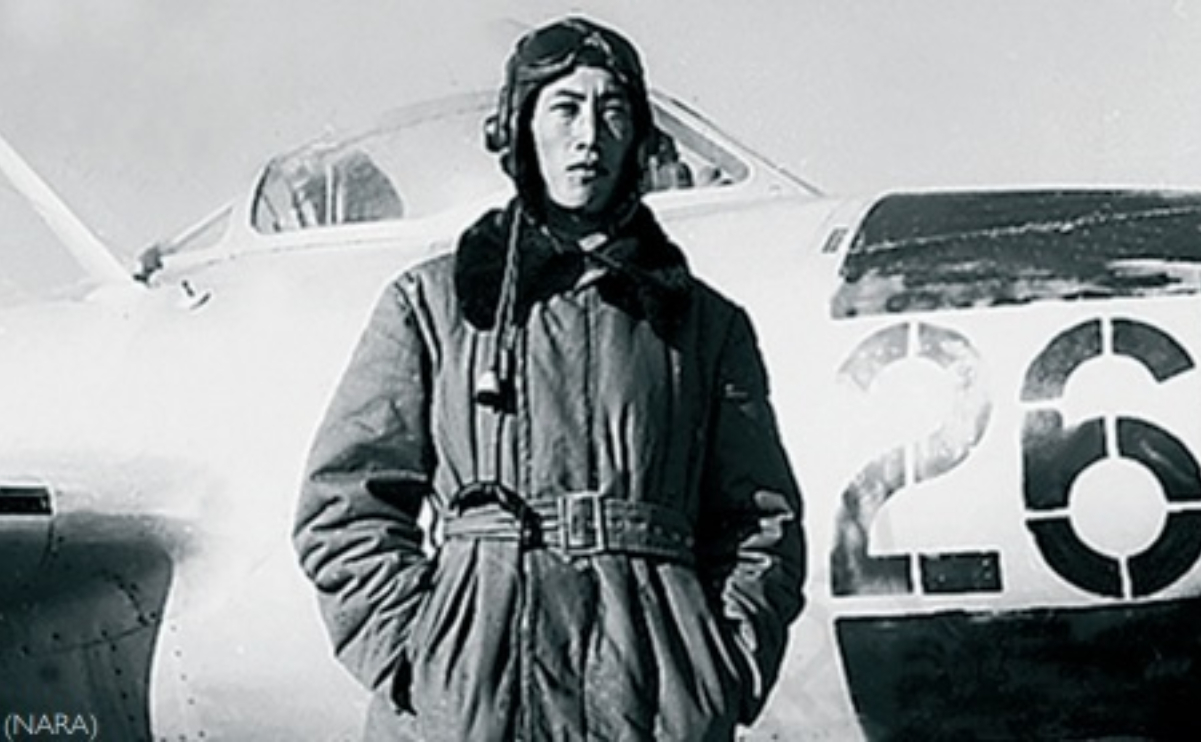
By Bill Carroll

Tier 4 — Traits-Driven Gambles
These quarterbacks possess at least one premium athletic/physical or personality trait. Their NFL futures depend on whether their processing, mechanics, accuracy, and command can catch up to the tools, or as Morrissey once sang:
“On the day that your mentality catches up with your biology”
16. LaNorris Sellers, South Carolina
Fighter ace comparison: Robert Alexander Little
Sellers may have the class’s most imposing physical package. His size, mobility, arm strength, and rushing value give an offense unusual flexibility. The question is whether his feet, coverage recognition, and ball placement can produce efficient passing from structure. He fits a system that uses quarterback movement while gradually expanding his responsibilities, but physical superiority alone has not created consistency.
Projection: High-ceiling developmental starter with rare offensive multiplicity.
17. Demond Williams Jr., Washington
Fighter ace comparison: Billy Bishop
Williams changes defensive geometry with dynamic mobility. His evaluation centers on identity: can he become a passer who moves rather than a runner who occasionally passes? Defenses must be forced to protect the entire field, not merely contain his legs. In a movement-based offense, he has scheme-dependent starting potential.
Projection: Dynamic developmental quarterback with a plausible starting path.
18. Nico Iamaleava, UCLA
Fighter ace comparison: Liu Chi-Sheng
Iamaleava combines a rangy frame, arm talent, and mobility. Like Liu Chi-Sheng, the comparison rests on adaptability under changing conditions. Iamaleava can attack most areas of the field and remain dangerous when the pocket changes shape. The issue is identity stability: which tools remain dependable when defenses move him from his preferred launch points? His flashes must become repeatable strengths.
Projection: A tools-rich developmental starter with a wide range of outcomes.
19. CJ Bailey, NC State
Fighter ace comparison: Shōichi Sugita
Bailey’s length and arm talent create uncommon attack angles, particularly between the numbers and vertically. His concern is mechanical stability under pressure. When the pocket contracts, his base, accuracy, and decisions can deteriorate. A vertical offense with designed-run elements could unlock him if his pressure response improves.
Projection: Developmental starter with middle-of-field and vertical upside.
20. Josh Hoover, Indiana
Fighter ace comparison: Saburō Sakai
Hoover brings resilience and functional toughness. He will remain in the pocket, work through progressions, and deliver with bodies closing around him. His challenge is risk-adjusted pocket management. Confidence cannot become late throws or needlessly difficult attempts. His best fit is a rhythm-based, progression offense.
Projection: Pocket-oriented QB2 with a credible starting pathway.
Tier 5 — Even Riskier Projects
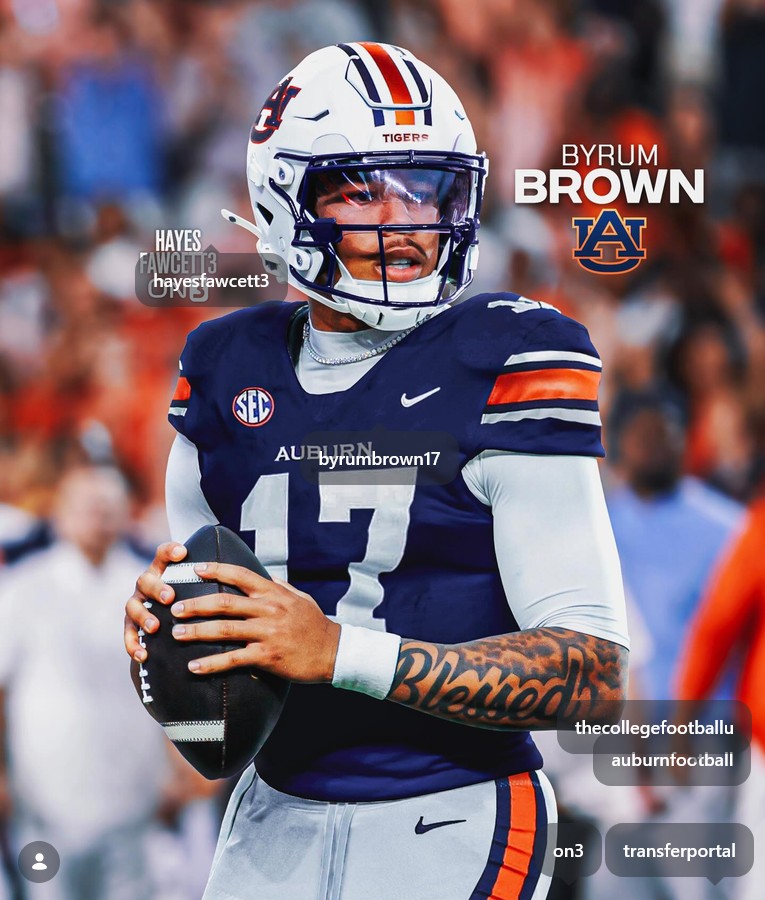
21. Byrum Brown, Auburn
Fighter ace comparison: Billy Bishop
Brown’s athleticism, toughness, and daring can strain a defense. His NFL value, however, depends on run-pass balance. If opponents can organize the entire plan around containment, his athletic advantage shrinks. He offers immediate package value while developing the passing consistency required for a larger role.
Projection: Athletic package quarterback with developmental starting potential.
22. Marcel Reed, Texas A&M
Fighter ace comparison: Raymond Collishaw
Reed can lead an offense that changes its method of attack. He embodies multiplicity without predictability. Mobility, quick decisions, and movement matter most when they don’t reveal the play call. His legs provide an immediate role, but he must become more accurate and consistent with the ball and his eyes.
Projection: Versatile developmental quarterback with immediate rushing value.
23. William “Pop” Watson III, UMass
Fighter ace comparison: Mick Mannock
Watson’s appeal begins with tactical awareness, leadership, and developmental command. The question is translation: will his production hold up against greater defensive speed, coverage complexity, and pressure frequency? A stronger résumé against faster, more sophisticated defenses would clarify his ceiling.
Projection: Developmental late-round candidate with leadership appeal.
24. James Charles French IV, Cincinnati
Fighter ace comparison: Richard “Dick” Bong
French’s evaluation is about maximizing his best equipment. Bong became the leading American ace of World War II by mastering the P-38 Lightning’s defining strengths. French likewise needs to perfect the traits that can withstand NFL pressure and coverage. Success will require more evidence of decisive play against complex looks.
Projection: Developmental passer and priority evaluation candidate.
25. DJ Lagway, Baylor
Fighter ace comparison: James McCudden
Lagway is a tools-based upside bet. His arm, frame, and athletic ability are compelling, but the evaluation must move beyond raw power. The essential question is tool conversion: do those gifts produce accuracy, processing, pressure management, and down-to-down command? His eventual offense must create efficient opportunities, not merely showcase arm strength.
Projection: High-upside developmental quarterback with significant volatility.
Honorable Mentions: Pilots Still in Training
Jaden Craig, TCU Fighter Ace Comparison: Anton Hafner: Composed developmental passer who needs a signature NFL-level strength. He fits a structured offense that can expand as his command improves.
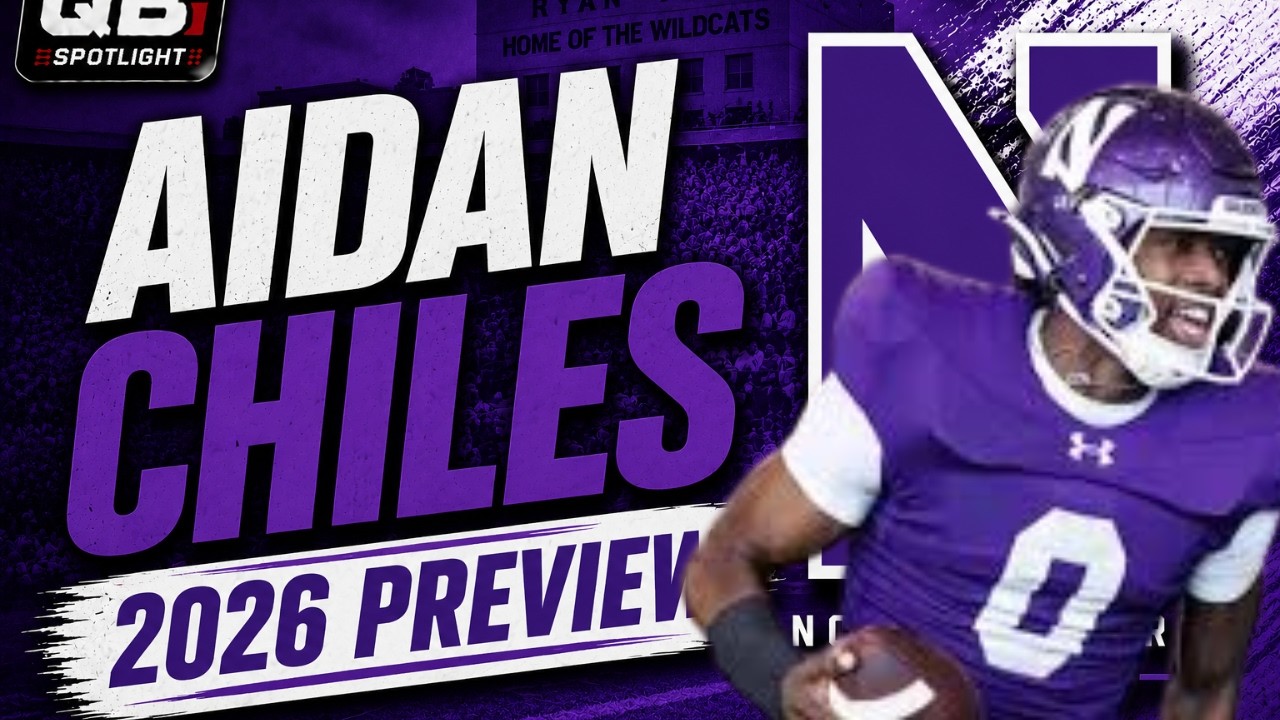
Aidan Chiles, Northwestern: Fighter Ace Comparison: Heinz Bär. Arm talent and movement ability create starter possibilities, but his snap-to-snap process and decision-making must become less volatile.
Malachi Singleton, Appalachian State: Fighter Ace Comparison: Clive Robertson Caldwell. Movement-based creator who must prove he can remain a passer while extending plays.
Avery Johnson, Kansas State: Fighter Ace Comparison: Francesco Baracca
Game-changing speed raises his ceiling, but consistent intermediate accuracy must prevent defenses from focusing entirely on containment.
Devon Dampier, Utah: Fighter Ace Comparison: Marmaduke “Pat” Pattle. Creative off-platform passer whose anticipation and pocket agility compensate for his limitations and help create throwing lanes.
Kaden Anderson, Tarleton State: Fighter Ace Comparison: Roderic Stanley. Dallas. Intriguing small-school evaluation whose talents give him a chance, but his ball placement and processing must grow to survive a jump in defensive speed, disguise, and complexity.
The Ace Place
Quarterback evaluation becomes clearer when you separate production from process. The essential traits are:
- Advantageous accuracy: Place the ball to create yards, protect the receiver, and reduce turnover risk.
- Command: Keeping everyone poised when the original call fails.
- Decision-making: Know when a check-down, throwaway, or safe scramble protects the possession better than being Superman.
- Pocket navigation: Create space without creating chaos. One subtle step can save a play; drifting can destroy protection.
- Situational awareness: Anticipating rotations, pressure indicators, leverage changes, and route adjustments before and after the snap.
- Target acquisition: Eliminate unavailable options and get to the right receiver before the window closes.
A scouting checklist also looks for: anticipation, throw-window discipline, red-zone operation, third-down command, creation outside structure, and turnover avoidance.
The fighter-ace comparisons are historical and stylistic shorthand, not statistical equivalency or judgments about whom these pilots served. Some served regimes responsible for aggression and atrocities. The comparisons refer to documented tactical qualities such as precision, patience, adaptability, aggression, awareness, and survival. Great aces shape the engagement before danger arrives. Great quarterbacks must do the same.
Closing Argument: Commanding the Engagement
Spectacular throws attract attention, but control sustains an offense. The useful questions are whether a quarterback identifies pressure, keeps his feet connected to the concept, manipulates coverage, manages throwing lanes, recognizes when the defense has won, and protects the football.
Aircraft matters, but command matters more. Rare arm strength may fly directly into danger. But ordinary tools still succeed when the quarterback sees the engagement, maintains positional advantage, and attacks at the proper moment.
The top of this board reflects this principle. Darian Mensah offers the cleanest blend of efficiency, timing, and control. Trinidad Chambliss and Jayden Maiava bring improvisational energy. Arch Manning combines pedigree with talent. CJ Carr, Julian Sayin, and Stockton operate with precision.
Tier 4 contains gambles. Sellers is the airframe of coaches’ dreams. Williams and Brown change defensive plans with their legs. Bailey and Lagway offer developmental tools. Hoover must prove that newfound command can transcend past patterns. Quarterbacks don’t win every engagement the same way. An elite weapon is required, with the judgment to deploy it, and enough secondary answers to prevent NFL defenses from forcing him into a trap.
Arm talent powers the aircraft. Pocket movement avoids danger. Processing determines the destination. Decision-making lets the ace make it home.