

 NFL
NFL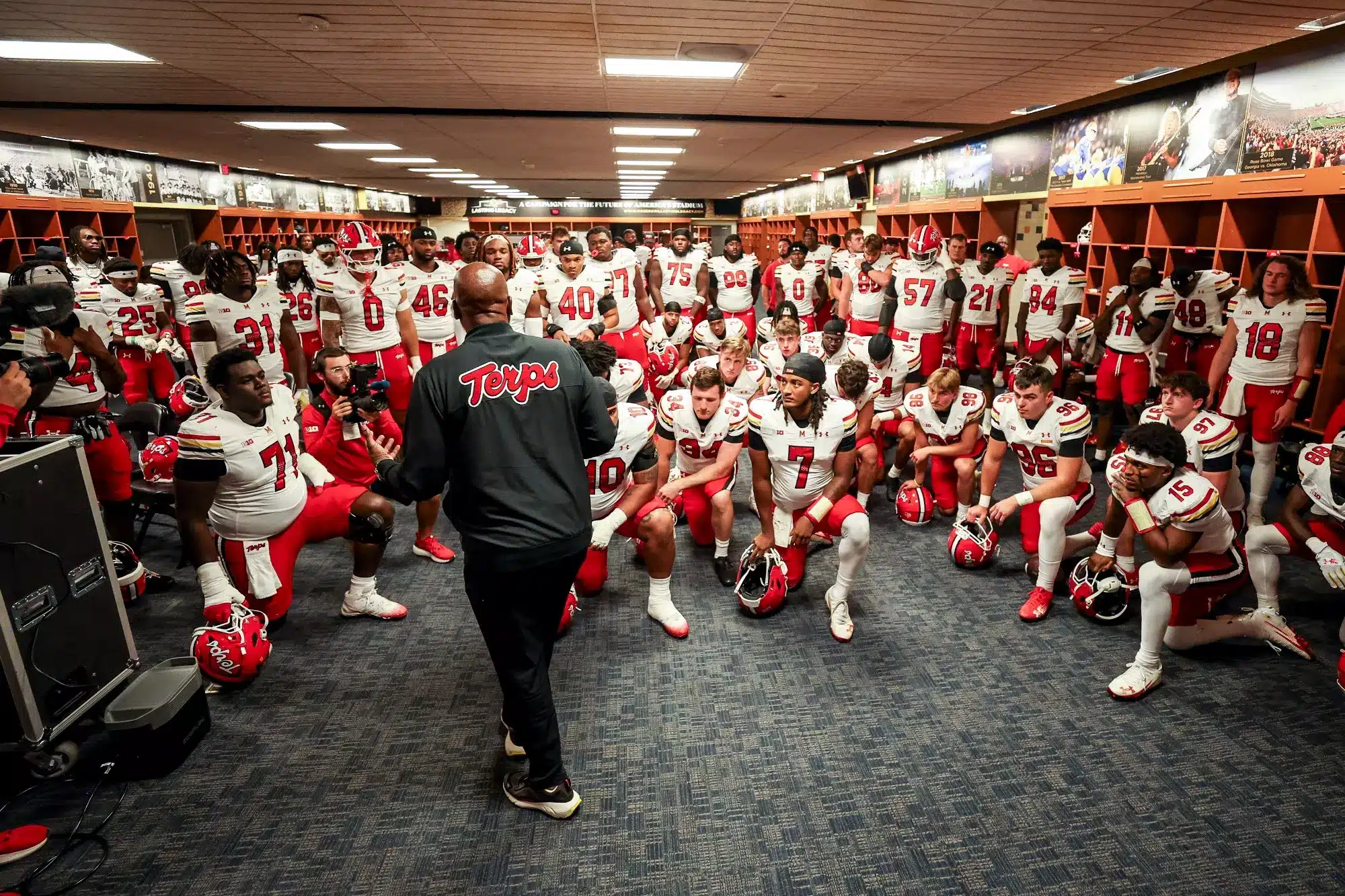
Four days after Maryland lost 35-26 to Virginia Tech, the game itself is no longer the only thing people are talking about.
The loss is still the main topic. But as Maryland prepares for its Big Ten opener against UCLA, talk about Coach Mike Locksley has grown even louder.
At the heart of this discussion is a familiar question: Is the media being fair to Locksley, or has the criticism become too much?
As of Wednesday, this issue is still very much alive.
Maryland lost its first game of the season Saturday night at a packed SECU Stadium, ending a 20-game nonconference winning streak. Virginia Tech scored touchdowns on five of its first six drives and built a 35-14 lead before Maryland tried to come back in the fourth quarter.
The stats give critics a lot to talk about.
Virginia Tech gained 445 yards, converted 10 of 16 third downs, and kept the ball for over 36 minutes. Maryland only managed 64 rushing yards and didn’t score in the first or third quarters.
These are real football concerns, and Locksley has admitted his team needs to get better.
On Tuesday, he told reporters that Maryland needs to play, execute, and coach better against UCLA. He also said he understands why frustrated fans might wonder if he should keep getting chances to fix problems that have come up after past losses.
That honesty matters.
Locksley is now in his eighth season at Maryland, so the criticism isn’t just about one bad night. Maryland has finished 4-8 in each of the last two seasons, and the Virginia Tech loss has put the program’s direction back in the spotlight.
But there’s another issue that’s come up this week.
Maryland’s relationship with the media is now part of the story too.
Reports say the program has changed how it handles questions during Locksley’s media sessions, including limiting reporters’ chances to ask follow-up questions.
This has made an already tense situation even more complicated.
Follow-up questions are a normal part of sports reporting. They help reporters clarify answers, challenge ideas, or ask a coach to explain what he meant.
At the same time, athletic departments do control how their media sessions work, and sometimes there are good reasons to set limits.
The key issue is being transparent.
If Maryland has changed its policy on follow-up questions, clearly explaining the new rules would help avoid the impression that the program is dodging tough questions.
And tough questions are coming, no matter what.
Virginia Tech didn’t just give Maryland its first loss. The Hokies showed where Maryland needs to improve before Big Ten play starts.
The defense struggled to stop Virginia Tech. The running game only produced 64 yards. Maryland trailed 20-7 early and 35-14 after three quarters.
Malik Washington, meanwhile, threw for 359 yards and three touchdowns. Chris Durr Jr. caught 12 passes for 109 yards and two touchdowns, and the Terps scored 12 points in the fourth quarter.
So, the story isn’t all negative.
The same goes for the questions about Locksley.
Reporters are right to ask whether Maryland is making progress under its coach. It’s also fair for fans to wonder if promises to fix mistakes are actually leading to better results.
It’s also fair to remember that one loss doesn’t define a whole season.
That’s exactly why the UCLA game matters.
Now Maryland has a chance to shift the focus from press conferences back to football.
If the Terps play better, improve on defense, and have a strong Big Ten opener, some of the criticism will naturally fade.
But if the same problems keep happening, the tough questions will only get louder.
For now, the debate between Locksley, the media, and frustrated Maryland fans is still up in the air.
Is it fair or foul?
In the end, the answer will probably come not in a press conference, but on the field.