

 NFL
NFL
By Bill Carroll
In modern football, the safety is much more than the last line of defense. Versatile safeties are often described as “chess pieces,” but that phrase has become so common that it no longer tells us much about the player. Every defensive back who can align in two places is suddenly considered a chess piece. The true question is: Which piece is he?
The truly elite modern safety is the queen. She is the most versatile piece on the board. It can attack horizontally, vertically, and diagonally, or can apply pressure, cover space, and change the geometry of the entire position. That is the closest chess equivalent to a safety who can play deep, rotate into the box, cover the slot, disguise pressure, and erase mistakes.
But not every successful NFL safety needs to be a queen. Some are kings. Others are rooks. There are bishops. Of course, the knights. Some are highly useful pawns whose value comes from assignment discipline, leverage, and coordination. The 2027 safety class is fascinating because every piece on the board is available.
The Safety Chessboard
The King: Deep Safety and Defensive Stabilizer
The king does not usually seek confrontation. Its value comes from controlling the space around it and preventing catastrophic loss.
A traditional deep safety operates similarly. He protects the defense from explosive plays, keeps routes in front of him, organizes the coverage, and makes certain one mistake does not turn into six points.
Range matters, but so do communication, angles, and restraint. Sometimes the best play a deep safety makes is the throw the quarterback decides not to attempt.
The Rook: Box Safety and Downhill Enforcer
The rook operates powerfully in straight lines. A box safety does the same. He fits the run, attacks through defined lanes, carries underneath routes, and becomes a pressure player when the defensive coordinator sends him toward the line of scrimmage.
This is the safety who plays downhill with conviction. There is usually nothing subtle about his arrival.
The Bishop: Range-Oriented Split-Safety Defender
Bishops influence the board diagonally and can affect areas far from their starting point.
That resembles a range-oriented safety who rotates from depth, overlaps throwing lanes, and arrives from angles the quarterback did not properly calculate. In split-safety structures, these defenders must read route distribution, maintain leverage, and close space quickly.
They may not always begin in the middle of the field, but they frequently end up near the football.
The Knight: Post Safety, Robber and Disguise Specialist
The knight may be the most difficult piece to predict because it attacks from unusual angles and can move around other pieces. A robber safety can create a similar problem for a quarterback.
He may begin the snap showing a two-high shell before rotating toward the middle. Maybe he aligns near the box and retreats underneath a deeper route. He may appear to be responsible for one receiver before jumping another route entirely.
The best disguise safeties force quarterbacks to confirm the coverage after the snap, and every extra moment of processing gives the pass rush another opportunity.
The Pawn: Role Player and Special-Teams Contributor
Pawns are limited individually, but they become valuable through structure, leverage, and coordination. A role-specific safety can create similar value. He may fit the run, cover tight ends, play in big-nickel packages, or become a core special-teams contributor. He may never become a defensive centerpiece, but he can earn a roster spot by performing specific assignments reliably.
Not every safety needs to control the entire board. Structure/scheme means some do one thing well.
A Class Filled With Possibilities
The draft-eligible 2027 safety group features several rising prospects and a collection of experienced returners who could be selected relatively early.
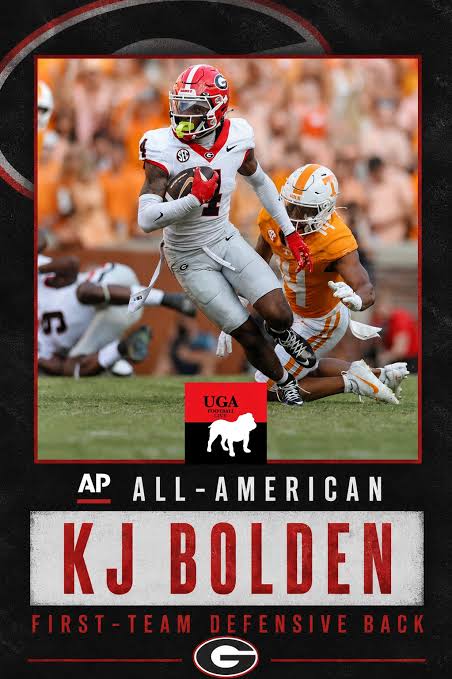
At the top is KJ Bolden of Georgia, a high-IQ, rangy defender with the talent to grow into the class’s most complete safety. Bolden possesses the athletic profile to operate from depth, close throwing windows, and finish plays in space. He belongs near the top of the class. It remains to be seen whether he can separate himself from the rest.
One of the most intriguing players on the board is Koi Perich of Oregon. During his time at Minnesota, Perich contributed at safety, nickel, wide receiver, and returner. That versatility makes him one of the closest prospects in this class to the queen comparison.
Perich projects best as a freelance safety who can read the quarterback and attack the football, but he is not allergic to contact. He can play near the box, contribute in coverage, and create value with the ball in his hands. His evaluation will ultimately center on role definition. Versatility is valuable, but NFL teams will still want to identify the position from which he creates the greatest advantage.
Brauntae “Tae” Johnson of Notre Dame offers another compelling projection. He has the range and ball skills to become one of the class’s biggest risers, especially if he converts his physical tools into consistent production.
At Alabama, Bray Hubbard continues to show the awareness one might expect from a former high school quarterback. His understanding of spacing and route development regularly places him near the football.
Hubbard does not merely react. He anticipates. That distinction frequently results in game-changing plays. If his coverage consistency and man-to-man ability continue to develop, his draft stock should keep rising.
Notre Dame has Adon Shuler, a true strong-safety type who brings a much different style. Shuler is never shy about delivering contact when the opportunity presents itself. He attacks the line of scrimmage, supports the run, and plays with a natural nose for the football.
Shuler may not possess the same coverage profile as the top interchangeable safeties, but he knows what kind of game he wants to play.
Ohio State has two veteran safeties worth monitoring: Earl Little Jr. and Terry Moore. Little arrives after previously playing at Florida State and gives the Buckeyes another experienced defensive back with positional flexibility. Moore, formerly of Duke, brings an unusual developmental background as a converted running back. His athletic ability is clear, but his 2026 tape must demonstrate that he can consistently process the game on defense.
This class is not short on athletic ability. The separating traits will be communication, discipline, tackling consistency, and the ability to disguise intentions before the snap.
Tier 1: Potential Defensive Centerpieces
1. KJ Bolden, Georgia
Chess role: Queen
Early projection: High-IQ safety with elite range and reliable tackling ability
Bolden enters the evaluation cycle with a top combination of athletic tools, awareness, and positional flexibility in the class. He has the potential to become the defender around whom a secondary is organized.
2. Brauntae “Tae” Johnson, Notre Dame
Chess role: Bishop
Early projection: Rangy ball-hawk with major breakout potential
Johnson has the physical tools to affect large sections of the field. Should he turn flashes into dependable down-to-down production, he’ll rise.
3. Koi Perich, Oregon
Chess role: Queen
Early projection: Multipurpose defensive weapon and return specialist
Perich may have the most varied résumé among the top safeties. His range, instincts, physicality, and value with the football give him several pathways to becoming an early selection.
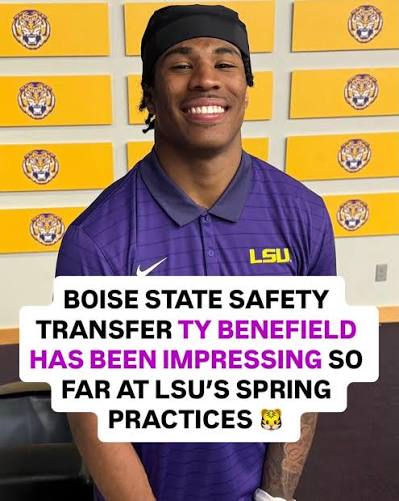
4. Ty Benefield, LSU
Chess role: Rook
Early projection: Physical presence with box and underneath-coverage value
Benefield brings size and force to the secondary. His ability to handle coverage responsibilities will determine whether he becomes a complete safety or a matchup-oriented defender.
5. Jelani McDonald, Texas
Chess role: Bishop
Early projection: Rangy, long-framed athlete with considerable coverage upside
McDonald offers an attractive combination of size and movement ability. He has the tools to rise quickly if his anticipation and tackling improve.
Tier 2: Early Starter Candidates
6. Bray Hubbard, Alabama
Chess role: Knight
Early projection: Cerebral playmaker with advanced positioning and anticipation
Hubbard’s greatest strength is how quickly he recognizes what is developing. He consistently puts himself in position to affect the play before the football arrives.
7. Zach Lutmer, Iowa
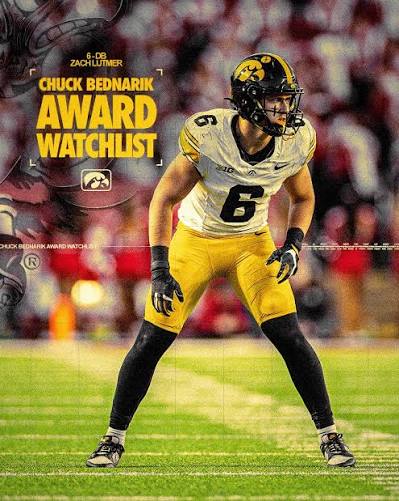
Chess role: King
Early projection: Dependable coverage safety with sound instincts, possible NFL nickel.
Lutmer fits the Iowa defensive tradition: intelligent, disciplined, and rarely caught operating outside the defense’s structure.
8. Jaylen McClain, Ohio State
Chess role: King
Early projection: Deep-field communicator with organizational value
McClain’s path to NFL value begins with his ability to command the back end and limit explosive plays.
9. Keon Sabb, Alabama
Chess role: Bishop
Early projection: Experienced coverage defender with starting upside
Sabb has the experience and physical ability to make a significant move up the board. Health, consistency, and finishing ability will shape his final evaluation.
10. Terry Moore, Ohio State
Chess role: Knight
Early projection: Converted offensive player with intriguing but unfinished traits
Moore’s movement ability provides a strong developmental foundation. His challenge is proving that his recognition, angles, and coverage discipline have caught up to his athleticism.
Tier 3: Developmental Starters and Package Defenders
- Earl Little Jr., Ohio State
- Jordan Castell, Kentucky
- Jackson Bennee, Utah
- Khalil Barnes, Georgia
- Dashawn Spears, LSU
- Faletau Satuala, BYU
- Michael Boganowski, Oklahoma
- CJ Heard, Vanderbilt
- Adon Shuler, Notre Dame
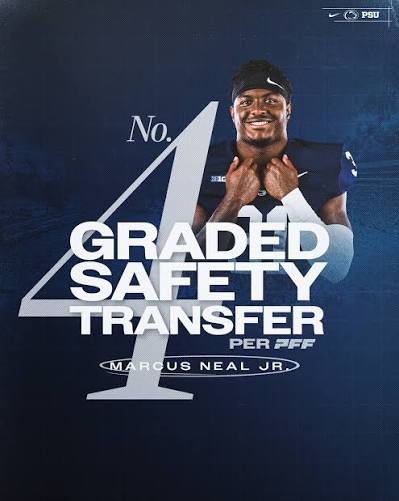
- Marcus Neal, Penn State
This portion of the board may eventually define the class.
There are potential starters here, but many of them must answer specific questions. Can they cover from the slot, tackle consistently in space, communicate in a pattern-match structure, stay on the field against both 12 personnel and four-receiver formations?
A prospect does not necessarily need to answer yes to every question. He does need to provide enough answers for an NFL coordinator to develop a clear usage plan.
Tier 4: Depth, Special Teams and Small-School Upside
- Davaughn Patterson, Wake Forest
- Chris Peal, Syracuse
- Abu Kamara, Yale
- Harrison Keith, Dartmouth
- Caden Dowler, Montana State
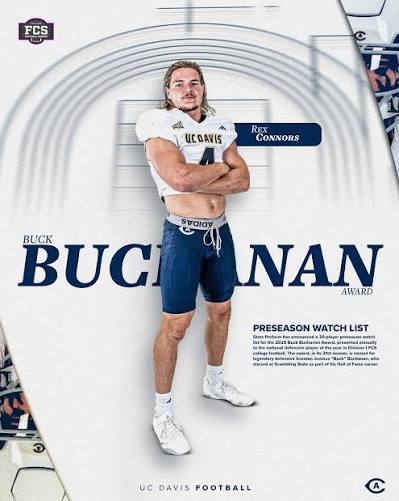
- Rex Connors, UC Davis
- Joshua Tarver, Furman
- CJ Smith, Georgia
- Malachi Fields, Virginia
- Jaylen Reed, Penn State
The base of the safety board should not be treated as an afterthought. Safeties often enter the league through special teams, sub-packages, and matchup assignments. A late-round prospect who can play on all four special-teams units, cover a tight end, and survive in the box may offer more immediate roster value than a more celebrated defender with a less defined role.
This is also where small-school evaluations become especially important. Players such as Abu Kamara, Harrison Keith, Caden Dowler, Rex Connors and Joshua Tarver will be evaluated not only for what they accomplished but also for how quickly their movement skills and processing translate to NFL speed.
The Evaluation Checklist
The 2026 season will answer many of the class’s most important questions.
Can They Prevent Explosive Plays?
A safety’s first responsibility remains protecting the defense from disaster. Range is part of that equation, but without proper positioning, it accomplishes very little. Scouts must determine whether a player reaches the correct landmark, maintains route leverage, and recognizes danger before it becomes obvious.
Can They Tackle in Space?
Open-field tackling is one of the most valuable and uncomfortable parts of safety evaluation.
The safety may be the only defender standing between a short completion and a touchdown. He must approach under control, maintain leverage, and finish against players who are often faster or more powerful.
A highlight hit is entertaining. A clean, technically sound tackle is just as valuable.
Can They Disguise Coverage?
The modern NFL rewards safeties who can make coverage look the same before the snap and make one coverage become another afterward. The ability to rotate late, exchange responsibilities, and manipulate the quarterback could separate several similarly talented players in this class.
Can They Cover Without Becoming a Victim?
Offenses will search for the defender they can isolate. Can the safety cover a tight end, carry a slot receiver, play the deep half, defend the post from the middle of the field, communicate through bunches, motions, and route exchanges?
Versatility is not simply lining up in multiple places. It is executing the assignment successfully.
Can They Create Turnovers?
Turnover production should be evaluated in context. An interception can result from range and anticipation, but it can also come from a tipped pass or a badly thrown ball. The question is whether the player consistently places himself in position to create turnovers. That is the repeatable trait.
Strategic Takeaways
1. KJ Bolden enters the cycle as the early standard
Bolden’s combination of range, intelligence, and tackling gives him the most complete early profile. The race is far from over, but everyone else is currently trying to remove him from the top spot.
2. Koi Perich may be the class’s ultimate wild card
Perich’s versatility makes him difficult to categorize, and that is both the attraction and the challenge. If Oregon identifies the right role and allows him to master it, he could contend for the top safety spot.
3. The Notre Dame group offers contrasting styles
Tae Johnson provides range and ball-hawking upside, while Adon Shuler brings physicality near the line of scrimmage. They demonstrate how differently two successful safeties can affect a defense.
4. Alabama could produce multiple NFL players
Bray Hubbard’s intelligence and Keon Sabb’s experience give evaluators two distinct profiles to study within the same secondary.
5. Role definition will drive the middle of the board
The difference between the eighth safety and the 18th safety may come down to whether an NFL team can clearly identify how the player gets onto the field.
6. Special teams will shape Day 3
Prospects outside the top tiers must demonstrate immediate roster utility. For many safeties, the fastest route to defensive snaps begins on kickoff, punt, and coverage units.
Checkmate
Is it safe to call this a fascinating safety class? Absolutely.
It has potential queens who can move throughout the formation, kings capable of protecting the defense against catastrophic mistakes, rooks who attack downhill, bishops who influence the field from a distance, and knights who specialize in disguise and unpredictability.
There is a place for pawns whose eventual value will come from discipline, leverage, and role execution. The challenge is not simply ranking the best athletes. It is determining which players can control the board.
The modern safety must process like a quarterback, cover like a cornerback, and tackle like a linebacker. He must communicate, disguise, recover, and finish. Sometimes he must do all of that on one play.
That is why this position is so difficult to evaluate. It is also why the 2027 safety class should be so much fun to study.