

 NFL
NFL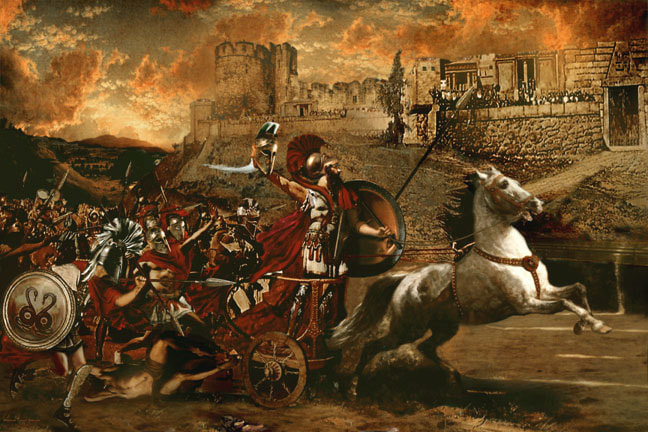
By Bill Carroll
A major turning point battle in the Trojan War was the battle following the death of Patroclus, as described in Homer’s Iliad. During this critical episode, Patroclus, the close companion of the Greek hero Achilles, entered the battle wearing Achilles’ armor to rally the demoralized Greek forces.
The Trojans, led by Hector, had been pushing the Greeks back toward their ships, threatening to burn them and end the war in Troy’s favor. Patroclus’s intervention initially turned the tide—he drove the Trojans from the Greek ships and even killed Sarpedon, a son of Zeus and one of Troy’s strongest allies. However, in his overconfidence, Patroclus pursued the Trojans back to the walls of Troy, where he was ultimately slain by Hector with the aid of the god Apollo.
Patroclus’s death marked a decisive turning point in the war. It forced Achilles, who had withdrawn from fighting due to anger at Agamemnon, to return to battle, burning with grief and vengeance. His reentry shifted the balance of power dramatically in favor of the Greeks. In the fierce fighting that followed, Achilles killed Hector, Troy’s greatest champion, dealing a devastating blow to Trojan morale and paving the way for the eventual fall of the city.
Thus, the battle over Patroclus’s body and its aftermath transformed the course of the Trojan War from a stalemate to the beginning of Troy’s downfall.
The Aftermath: Achilles’ Vengeance and the Shift in Power
The death of Patroclus ignited Achilles’ wrath, compelling the Greek hero to return to battle with renewed fury. His reentry turned the tide decisively, culminating in Hector’s death and the eventual downfall of Troy. For Northwestern, this moment symbolizes the potential for a key player or unit to rise from adversity and change the game’s trajectory, inspiring teammates and overwhelming the opposition.
Key Statistics and Trojan War Commanders
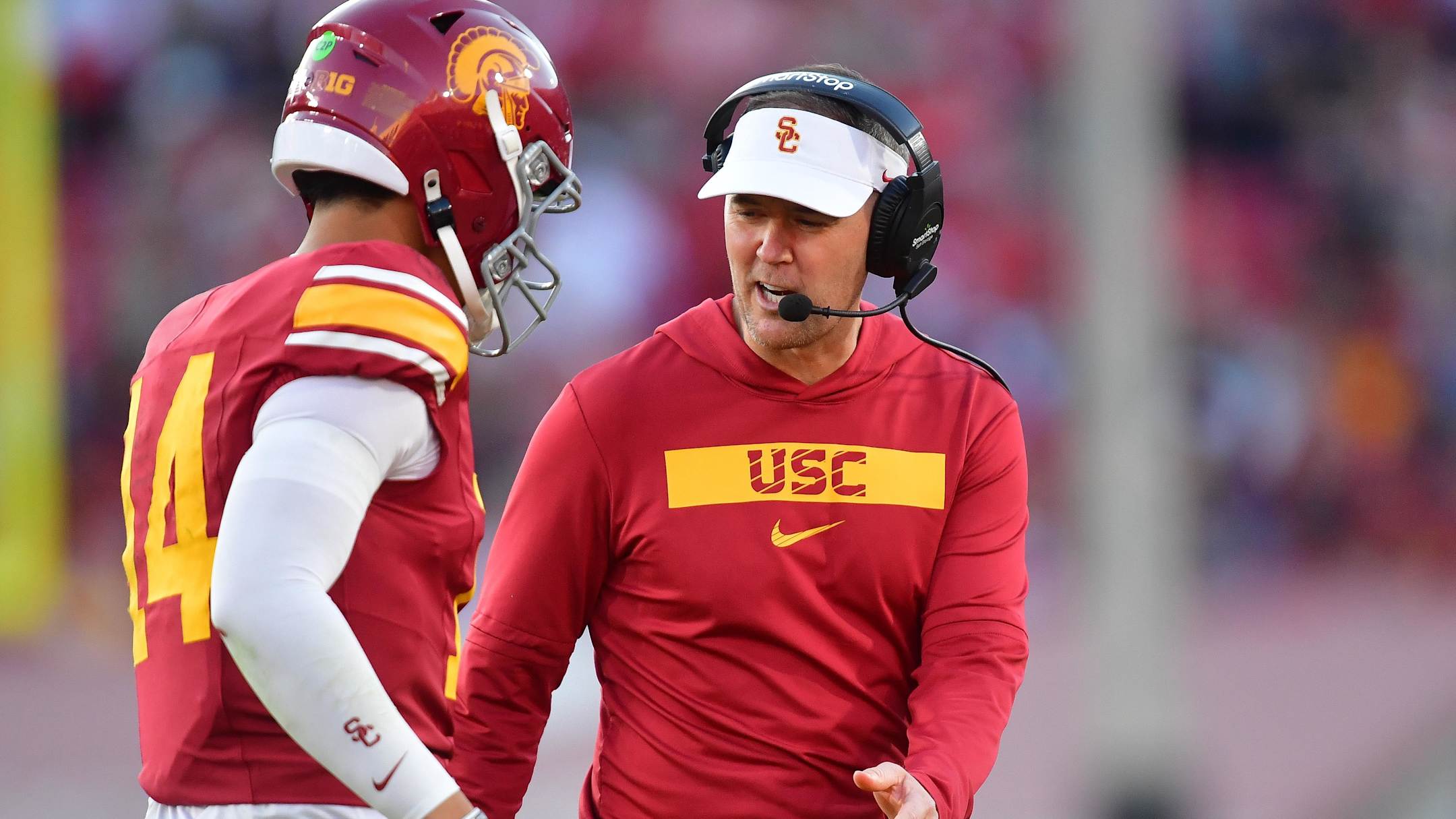
The upcoming battle between Northwestern and USC can be likened to a clash of legendary commanders from the Trojan War. David Braun of Northwestern stands as a strategic general akin to the steadfast Patroclus, leading a defense that, while not the most prolific, is disciplined and capable of critical stops. Northwestern’s defense ranks 19th in overall yards allowed per game (304.3), 13th in passing yards allowed (165.1), and 13th in points allowed (16.8), reflecting a resilient force holding the line against a potent foe.
In contrast, Lincoln Riley of USC commands an offense reminiscent of Achilles himself, dynamic, powerful, and capable of overwhelming opponents. USC’s offense ranks 2nd in total yards per game (505.9), 10th in passing yards (302.3), and 8th in scoring (39.8), showcasing a relentless assault that demands constant vigilance.
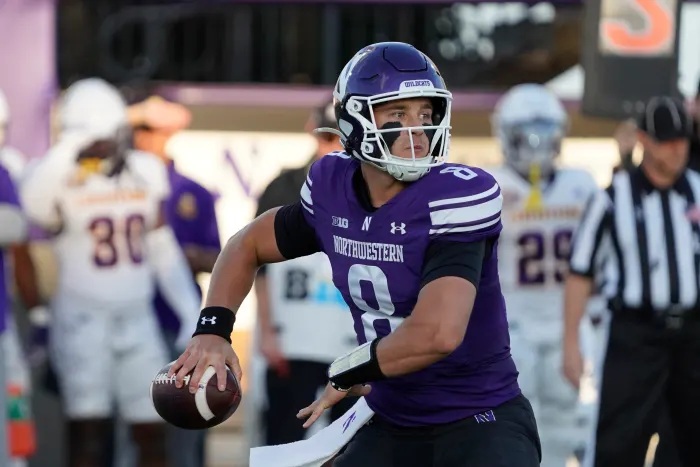
Northwestern’s offense, while less dominant, mirrors the cautious but determined efforts of the Greek forces rallying behind Patroclus. The Wildcats average 360.3 yards per game, with a stronger emphasis on the run (187.9 yards, 30th) than the pass (172.4 yards, 118th), and score 22.5 points per game.
The battle will also hinge on critical situational factors: Northwestern’s defense struggles on third downs, allowing opponents to convert 42.4% of the time (106th in FBS), while USC’s offense excels here with a 51.6% conversion rate (11th). Turnover margin favors USC (+2, 50th) over Northwestern (-4, 105th), and penalties could play a role, with USC averaging 57.3 yards per game (79th) compared to Northwestern’s disciplined 28.5 yards (4th).
Time of possession also tells a tale: Northwestern controls the ball longer (33:23, 6th) than USC (30:22, 59th), a factor that could influence the tempo and endurance of this epic encounter.
In this epic clash, Northwestern’s David Braun and USC’s Lincoln Riley stand as modern counterparts to the Trojan War’s legendary generals. Braun, like Patroclus, must rally a defense that has shown resilience but struggles in key moments. Riley, akin to Achilles, commands a potent offense capable of overwhelming foes and shifting momentum decisively.
Key Team Statistics
| Category | USC Trojans | Northwestern Wildcats |
|---|---|---|
| Overall Offense (YPG) | 505.9 (2nd FBS) | 360.3 (91st FBS) |
| Passing YPG | 302.3 (10th) | 172.4 (118th) |
| Rushing YPG | 203.6 (20th) | 187.9 (30th) |
| Scoring PPG | 39.8 (8th) | 22.5 (102nd) |
| Overall Defense (YPG) | 355.1 (56th) | 304.3 (19th) |
| Passing Defense (YPG) | 212 (59th) | 165.1 (13th) |
| Rushing Defense (YPG) | 143.1 (61st) | 139.1 (57th) |
| Scoring Defense (PPG) | 22.4 (53rd) | 16.8 (13th) |
| Defensive 3rd Down % | Opponents convert 51.6% | Opponents convert 42.4% |
| Turnover Margin | +2 (50th) | -4 (106th) |
| Penalty Yards Per Game | 57.3 (79th) | 28.5 (4th) |
| Red Zone Efficiency | 92.3% (17th) offense | 84.2% (69th) defense |
| Time of Possession | 30:22 (59th) | 33:23 (6th) |
Leading Offensive Players
USC Trojans
- QB Jayden Maiava: 2,315 yards, 15 TDs, 5 INTs, 65.3% completion
- RB Waymond Jordan: 576 yards on 88 carries, 5 TDs
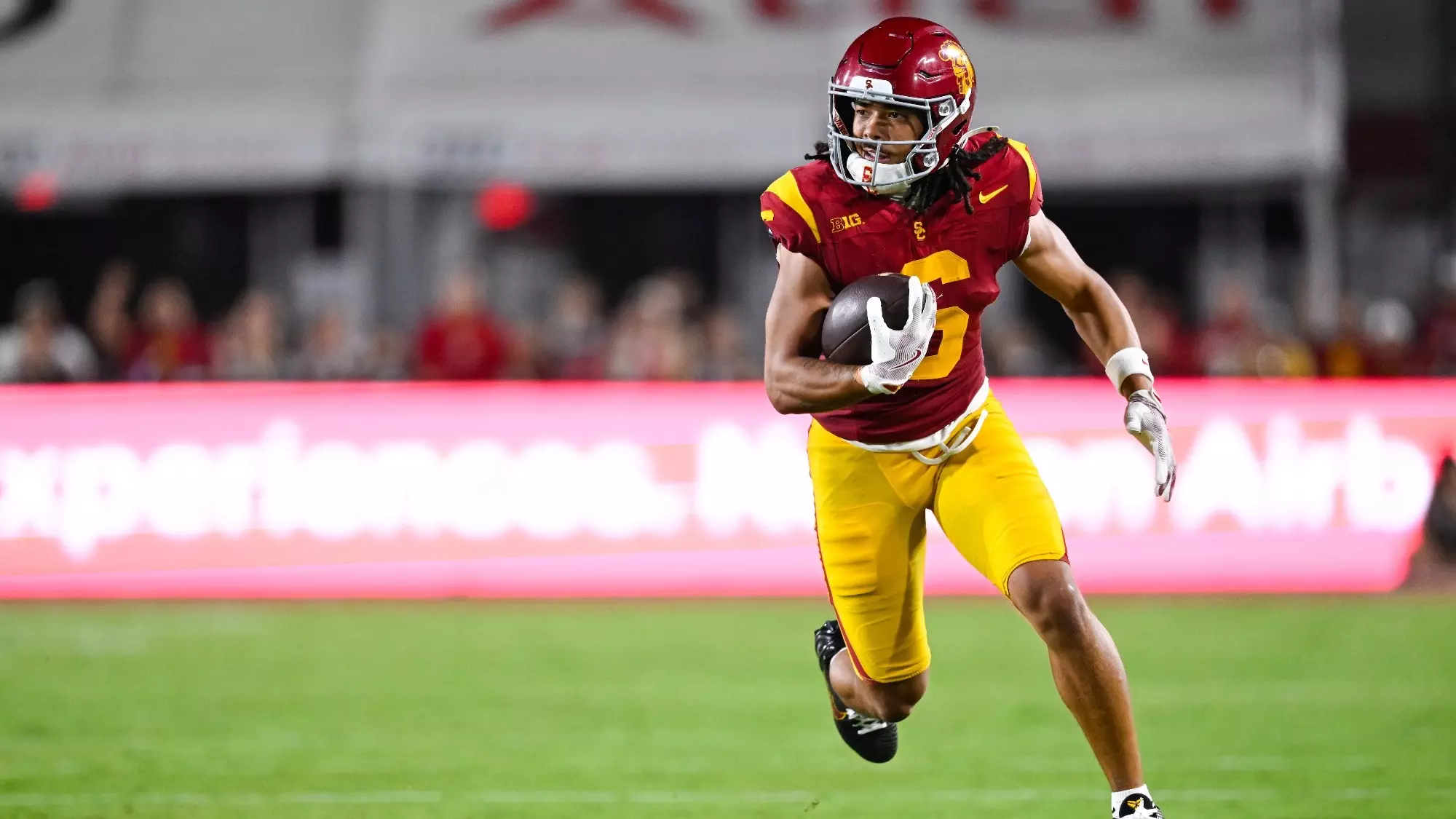
- WR Makai Lemon: 776 yards on 50 catches, 6 TDs
Northwestern Wildcats
- QB Preston Stone: 1,372 yards, 10 TDs, 9 INTs, 58.3% completion
- RB Caleb Komolafe: 608 yards on 124 carries, 7 TDs
- WR Griffin Wilde: 570 yards on 39 catches, 4 TDs
Recent Engagements
USC Trojans
- Won 21-17 vs Nebraska (November 1st)
- Maiava: 135 yards on 9-of-23 passing (39.1%), 1 INT, 11 carries for 62 yards and 1 rushing TD
- King Miller: 129 rushing yards on 18 carries, 1 TD
- Jaden Richardson: 1 reception for 43 yards
Northwestern Wildcats
- Lost 28-21 at Nebraska (October 25th)
- Stone: 159 yards on 15-of-29 passing (51.7%), 2 INTs
- Komolafe: 125 yards on 17 carries, 2 TDs
- Wilde: 54 yards on 3 receptions
Betting Odds and Outlook
USC improved to 6-2 with their win over Nebraska and enter as 14.5-point favorites against Northwestern. Northwestern stands 5-3 overall and 3-2 in Big Ten play, coming off a bye week. Their last game was a 28-21 loss at Nebraska. USC hosts Northwestern Friday night in a match-up that pits the Trojan War’s strategic echoes onto the modern gridiron.
This battle, like the legendary clash after Patroclus’s death, will test leadership, resilience, and the power to shift momentum. Will Braun’s defense hold firm like Patroclus’s rally, or will Riley’s offense storm the field like Achilles returned to war? The answer lies on the gridiron this Friday night.
Conclusion
As the Wildcats prepare to face their challenge, the echoes of the Trojan War remind us that battles are won not just by strength, but by timing, resolve, and the courage to seize critical moments. Northwestern’s ability to channel this spirit could well determine whether they emerge victorious or fall short in this pivotal week 11 tussle.