

 NFL
NFL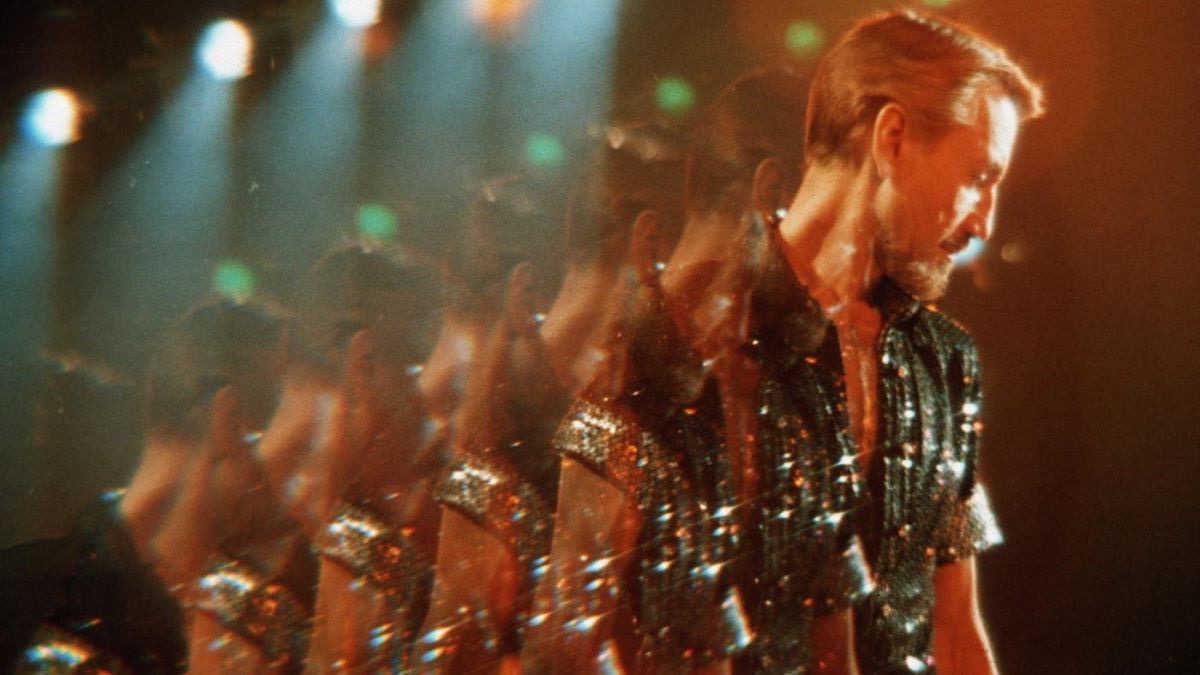
By: Matt Overton
All That Jazz is one of those elusive films that I never heard of before joining Letterboxd, but have seen all over the place since then. It has appeared in multiple Criterion Closet videos with artists from all walks of life picking this as one of the greatest achievements in cinema. Now bear with me as I admit I did not know who Bob Fosse was, and after doing some limited research it blows my mind that an individual as influential and groundbreaking as Fosse didn’t come to my attention any sooner. One of the most lauded minds to ever grace Broadway and a supernaturally gifted choreographer, Fosse delivers one of the most brilliant self-critical films ever made.
That guy I only know from Jaws, Roy Scheider, plays the Fosse self-insert named Joe Gideon. When the picture begins, he’s on a grind the likes of which you’ve never seen: he’s in the middle of auditioning dancers for his latest Broadway production while simultaneously finishing the edit of his newest movie. To make matters much more difficult, he has a serious substance abuse problem, is an obsessive chain smoker, and the most active womanizer I’ve ever seen in film. Gideon is constantly letting his vices intrude on his work; some might call these distractions, but a more open-minded artist might say he abuses these problems to inspire his work.
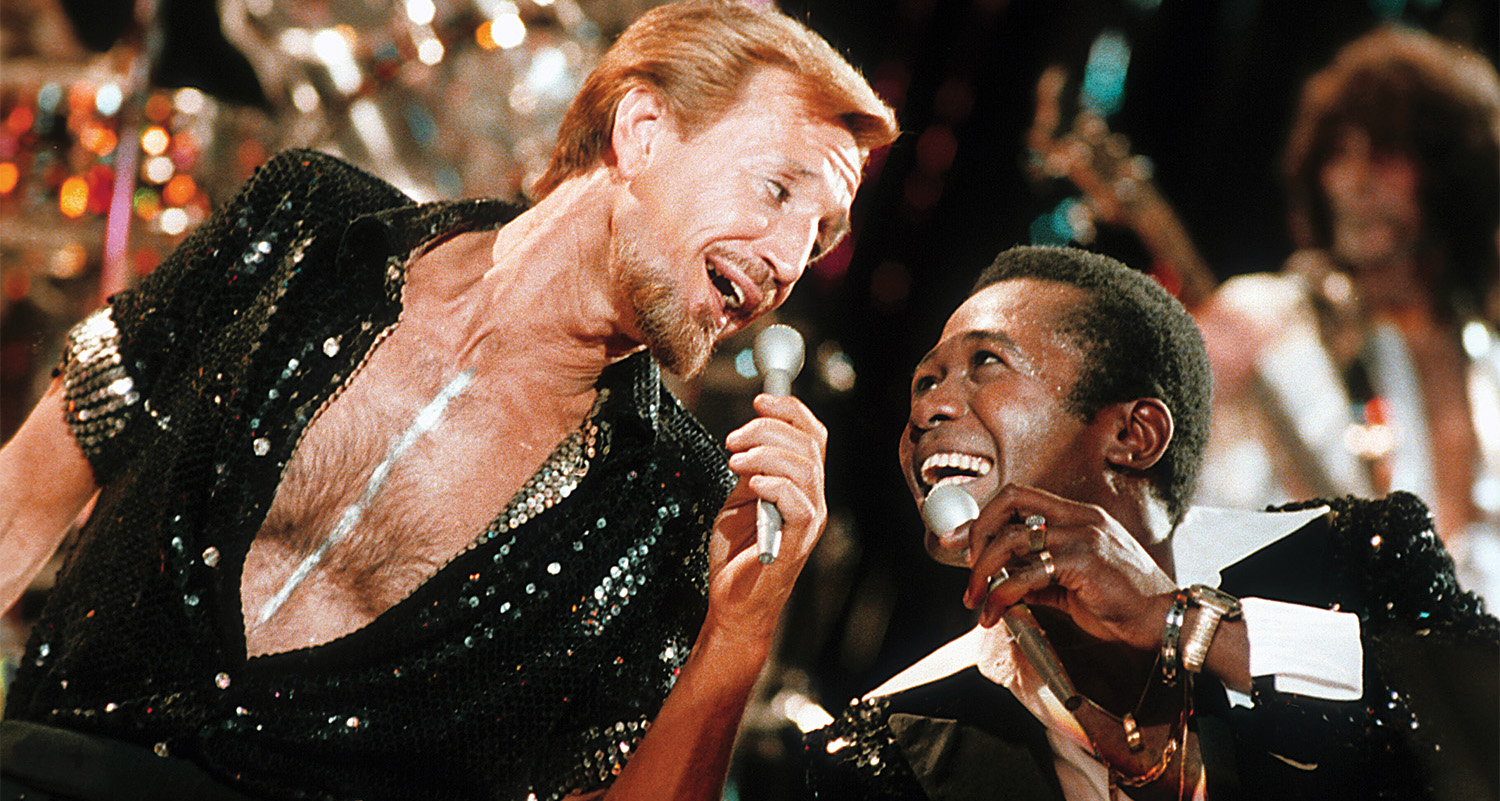
All That Jazz can be summed up with just a few words: hustle, brilliance, sex, drugs, and death. This is a movie about creation as much as it is about destruction. Gideon is literally working himself to death in service of great art, but he’s unsure if anything he has created will persist. He’s unhappy with his film’s climactic monologue just as he is unsatisfied with a dancer he is pushing to be better. His monumental and exacting expectations are as much of a crutch on his art as it is a burden to everyone around him. He maintains a stressed working relationship with his ex-wife who is starring in his production, he loves his daughter unconditionally although he is often absent, and he does his best to love on his current muse, Katie, while constantly cheating. Katie begs him to be less generous with his cock, but all Gideon hears is a great piece of dialogue that he can utilize later.
As one of Fosse’s final productions, All That Jazz revels in its ability to be hyper-critical but also extremely funny. Gideon knows his lifestyle is untenable but ignores all the symptoms and warnings from friends. On the surface he appears to not care if he lives or dies, but deep down, and through the film’s magical musical numbers, it becomes clear that he’s much more conflicted than he lets on. Pouring every ounce of his gifted mind into the production, Fosse shows audiences why he is the most influential jazz dancer in history. The dancing is superbly elegant and illustrious. The performers glide all over the screen with grace—intertwining moves and elaborate choreography make this an infinitely exciting picture to experience.
With one of the most celebrated choreographers organizing the musical numbers and directing the entire film, All That Jazz has every other winning element lined up as well. Oscar-winning editing by Alan Heim provides the picture with one of its most enduring aspects, and makes for a stimulating viewing through ingenious cuts and inter-splicing scenes. Scheider delivers a historic lead performance, giving his whole body and soul in bringing Fosse’s alter ego to life. I was genuinely worried for his safety the more I witnessed all the hell he put himself through for the sake of his art. The sound mixing is another inventive layer that adds to the surrealist, dreamy landscape that this film thrives on. The film as a whole is so unconventional in a way that I didn’t think was even possible in the ‘70s.
All That Jazz is truly one of the most insane movies I’ve ever watched. From the second it begins, Fosse takes us on a rip-roar journey through his mind and subconscious, never shying away from laughing at himself or calling out previous follies. This film is paced absolutely perfectly, and it was genuinely one of the fastest 123 minutes I’ve ever lived. I was completely captivated by this movie from start to finish, and felt myself becoming absolutely hypnotized by the dancing, acting, and editing. I can see why the jury at Cannes in 1980 voted to award the Palme d’Or to both All That Jazz and Kagemusha—how could you ever pick between two such masterpieces?